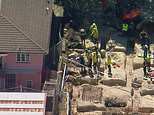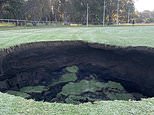
UPDATE: A massive sinkhole has just opened at AJ Burkitt Oval in Heidelberg, Melbourne, raising urgent concerns among residents and officials alike. Discovered on 6 January 2026, the sinkhole measures approximately 15 meters by 3 meters and is about 2 meters deep. Local games have been disrupted, and authorities are urging people to stay away from the area.
Officials from VIDA Roads, the organization behind the $26 billion North East Link project, have acknowledged that tunneling activities nearby likely contributed to this sudden collapse. “We are actually confident that the tunnel boring machines have been a contributing factor,” said CEO Duncan Elliott. This situation is particularly alarming as it highlights the potential dangers associated with urban infrastructure projects.
Geology experts, including Guillermo Narsilio from Melbourne University, emphasize that sinkholes are more common than many realize. “As population grows and infrastructure ages, we are going to learn of more sinkhole appearances globally,” he noted. This incident serves as a stark reminder of the hidden dangers lurking beneath urban landscapes.
In a similar vein, Francois Guillard, a geotechnical engineer from the University of Sydney, explained that sinkholes often remain concealed until the pressure from above becomes too great. “When the ceiling becomes too weak, you have a sudden collapse,” he stated. Fortunately, no injuries have been reported in this incident.
The North East Link project, which began in 2024, involves constructing 6.5 kilometers of tunnels that will run 45 meters underground. As these works continue, experts warn that increased tunneling activities may lead to more sinkholes in the future, especially with changing weather patterns exacerbating the situation.
Authorities have launched an investigation into the cause of the sinkhole. Residents are advised to remain cautious and stay updated on developments as the situation unfolds.
This emergency highlights the urgent need for monitoring urban infrastructure projects and their potential environmental impacts. As this story develops, stay tuned for further updates on this critical situation in Melbourne.