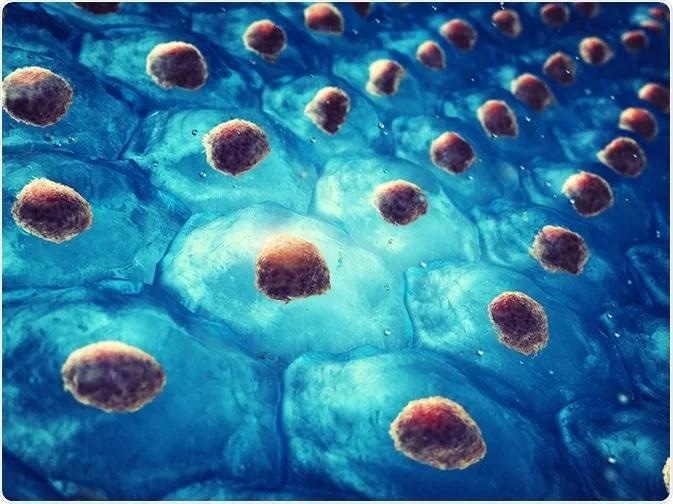
The emergence of organoids is revolutionizing neuroscience research by providing innovative tools for disease modeling. Rosanna Zhang, Head of Strategic Initiatives at ACROBiosystems, emphasizes the potential of these three-dimensional structures to enhance our understanding of complex neurological disorders. Under her leadership, the company’s brand Aneuro was launched in 2021 to develop high-quality reagents and tools specifically for neuroscience research.
Aneuro was established with the goal of accelerating the research and development of therapies for neurodegenerative diseases such as Alzheimer’s and amyotrophic lateral sclerosis (ALS). By providing advanced laboratory tools like recombinant proteins and organoids, Aneuro aims to facilitate the exploration of disease mechanisms and the identification of potential therapeutic targets. As Zhang notes, “High-quality life science tools are essential for obtaining meaningful, reproducible data.”
Organoids Enhance Research Capabilities
Organoids are miniature, three-dimensional models that replicate the architecture of human brain tissue. These structures are derived from stem cells and bear a resemblance to actual brain cells, making them invaluable for studying neurological conditions. Researchers can use organoids to investigate disease mechanisms, test drug responses, and explore personalized medicine approaches. The ability to create patient-specific organoids allows for tailored treatment plans that address individual variations in disease presentation.
One of the significant advantages of organoids over traditional two-dimensional cell cultures is their ability to mimic the cellular composition and complexity of the human brain. Zhang explains that organoids can provide insights into neuronal behavior and synaptic connectivity, which are crucial for understanding conditions like Alzheimer’s and autism. This innovation not only enhances research outcomes but also addresses ethical concerns related to animal testing.
Despite their potential, there are challenges associated with the use of organoids in research. The variability in cell culture conditions and differentiation protocols can lead to inconsistencies in results. Zhang highlights that “reproducibility and standardization of organoid generation has always been difficult.” To address these issues, researchers are focusing on refining cell culture methods and improving scalability, which is essential for wider industry adoption.
Insights and Future Directions
Organoids have already been used to model various neurological disorders successfully. For instance, they have provided insights into how the Zika virus can lead to microcephaly, a condition characterized by stunted brain development. Additionally, researchers have compared organoids derived from autistic patients with control samples, revealing genetic abnormalities involved in cell proliferation.
The potential for organoid-based models to influence therapeutic interventions is substantial. These models allow researchers to identify specific drug responses and therapeutic targets, paving the way for precision medicine in treating neurological conditions. By utilizing organoids, the drug development process can be accelerated, providing a closer representation of human brain complexity.
Looking ahead, the pressing question in neuroscience is understanding the underlying factors that contribute to neurodegenerative diseases. Aneuro is committed to providing researchers with the tools needed to tackle these complex questions. Zhang expresses optimism about the future, noting that “the potential of organoids has been undeniable in research,” and anticipates their growing adoption in industry settings.
As the field of organoid research continues to evolve, it promises to offer valuable insights into neurological disorders and enhance the development of effective treatments. For more information on the tools and resources offered by Aneuro, visit their official webpage or brochure.