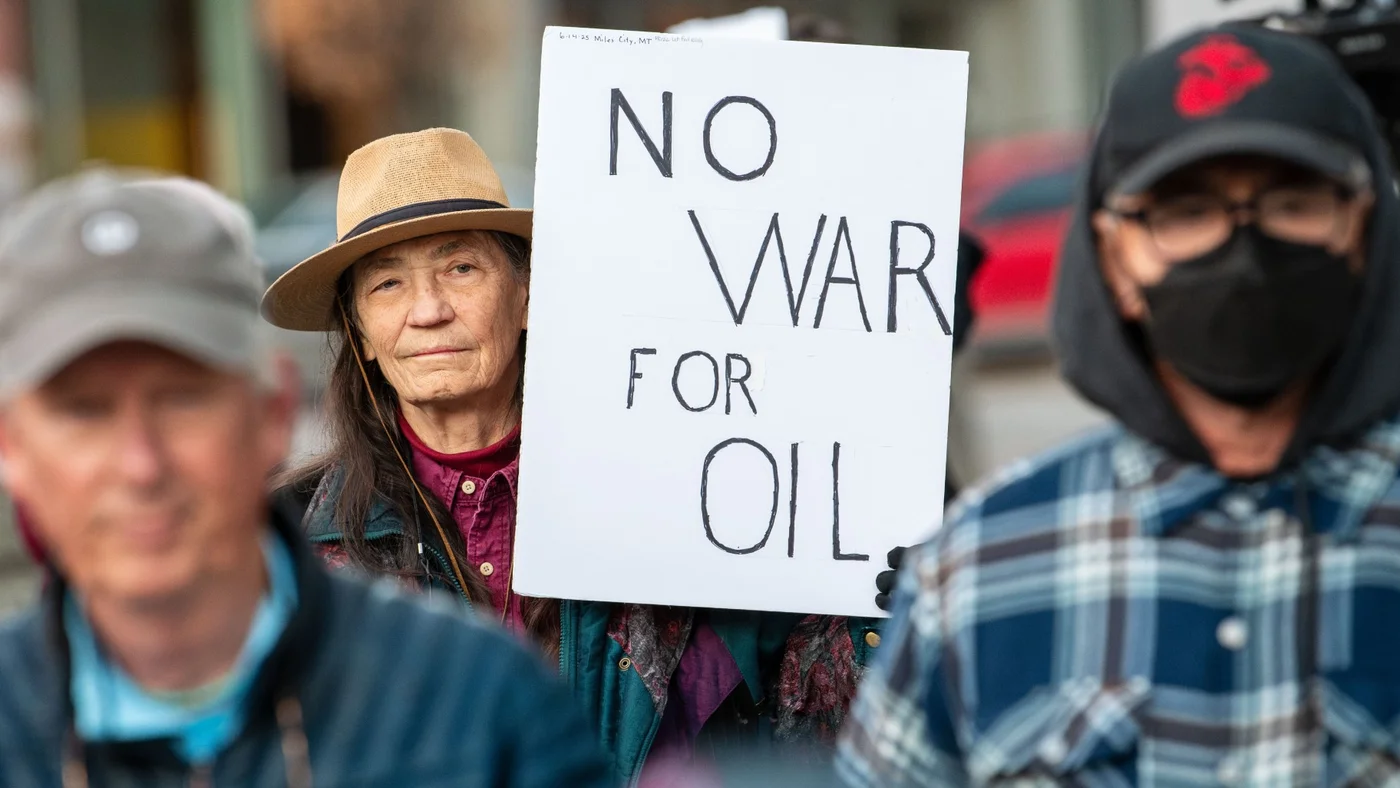
UPDATE: The U.S. is under intense scrutiny as new reports reveal a coordinated effort to undermine international law while escalating tensions in Venezuela. As President Donald Trump continues to target Venezuelan President Nicolas Maduro over alleged drug trafficking, critics argue this is a thinly veiled attempt to seize the country’s oil resources.
In a shocking announcement made just days ago, Trump claimed his administration’s actions in Venezuela are a necessary response to “narco-terrorism.” This comes as the U.S. faces growing accusations of complicity in the humanitarian crisis in Gaza, where Israeli military actions continue to devastate civilian life.
Why this matters NOW: The implications of these developments are profound. As the U.S. and Israel bolster their narratives of law enforcement against perceived threats, many argue that these actions are masking a deeper agenda of resource acquisition and geopolitical control. The international community is watching closely, with increasing calls for accountability against what some describe as a “genocidal” campaign in Gaza.
Reports indicate that Israeli forces have continued operations in Gaza, leading to significant civilian casualties and the banning of critical humanitarian organizations like Doctors Without Borders. As of mid-October, Israel’s supposed ceasefire has been repeatedly violated, causing outrage among human rights advocates and prompting mass protests across Europe.
Public opinion is shifting. Demonstrations supporting Palestinian rights may have diminished, but a growing resentment towards Western governments’ complicity in Israeli actions is palpable. The narrative of a “good cop, bad cop” duo, where the U.S. positions itself as a protector, is increasingly being challenged by activists and ordinary citizens alike.
As the situation unfolds, the United Nations has raised alarms regarding the sanctions imposed on its officials, including Francesca Albanese, who has been targeted for her criticism of Western complicity in Israel’s actions. The U.S. government has moved to restrict her access to financial services, effectively silencing her voice on the global stage.
The recent escalation has implications that extend beyond Venezuela and Gaza. Trump’s administration appears poised to expand its aggressive tactics towards other nations, with Colombia and Cuba potentially next on the list. The rhetoric suggests that the U.S. is preparing to justify further intervention under the guise of “law enforcement.”
What’s next? Observers are urging the international community to remain vigilant. As the U.S. government seeks to legitimize its actions, the potential for conflict and destabilization in Latin America and the Middle East remains high. The upcoming ruling by the UK High Court on the proscription of pro-Palestinian groups is expected to set a precedent that could further criminalize dissent.
The world is watching as the narrative continues to evolve. Activists and human rights organizations are calling for immediate action to address these violations. As the U.S. grapples with rising tensions domestically and internationally, the need for accountability and justice has never been more urgent.
The situation is developing rapidly, and updates are expected. Stay tuned for further developments as this story unfolds.