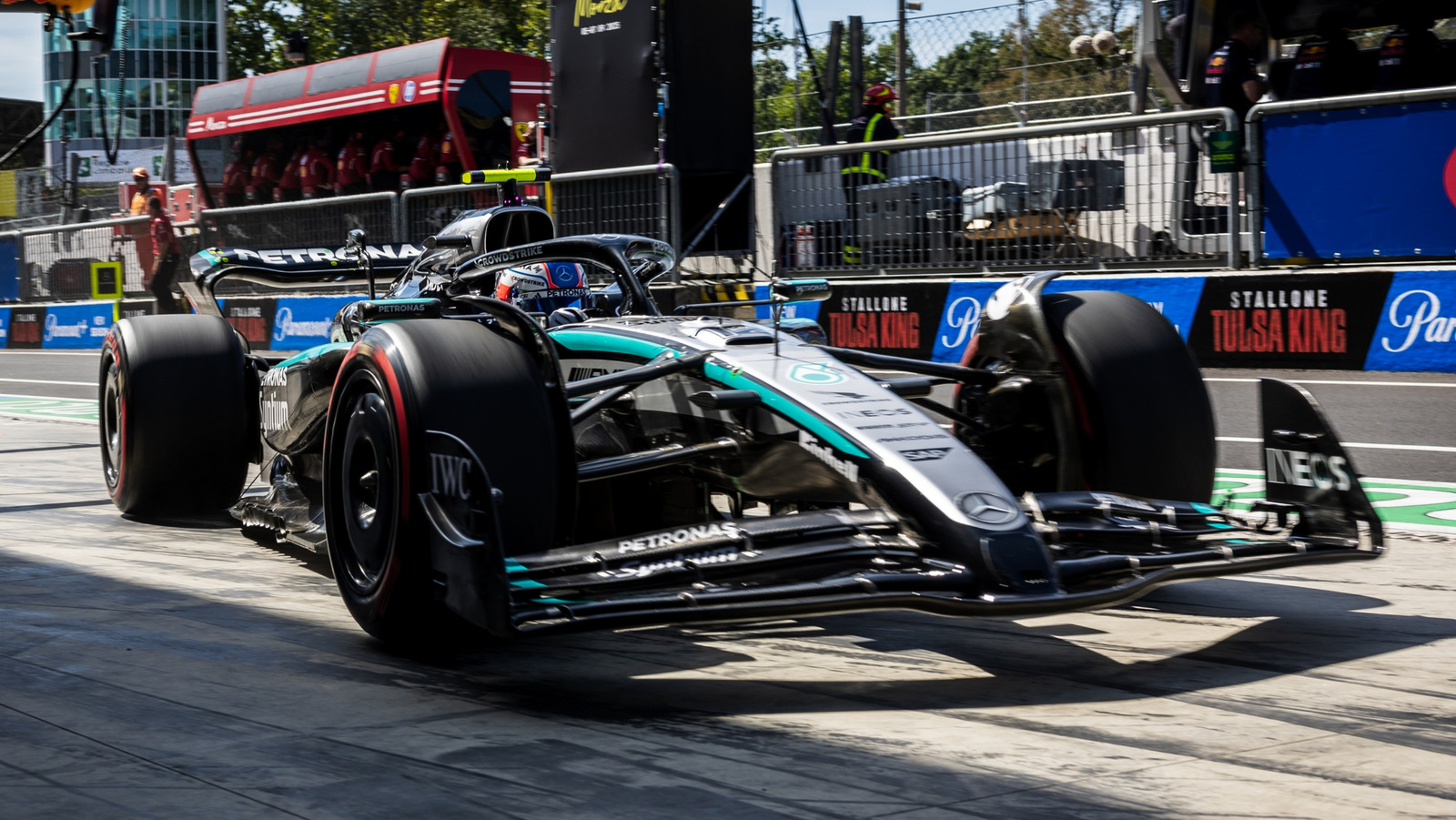
UPDATE: Just announced, controversy is swirling in Formula 1 as teams raise serious allegations against the Mercedes and Red Bull engines ahead of the 2026 season. Accusations of cheating are igniting debates about potential rule-skirting practices that could dramatically alter the competitive landscape of the sport.
As the countdown to the new season begins, the FIA has been alerted to claims that both teams might exploit new engine compression ratio regulations. Reports suggest they are using advanced materials that permit higher compression ratios at elevated temperatures, granting them a significant power advantage during races.
The changes to the engine rules are part of a broader effort to lower costs and encourage new manufacturers to enter the sport. The upcoming regulations will reduce compression ratios from 18:0:1 to 16.0:1. However, teams like Ferrari, Audi, and Honda are crying foul, asserting that Mercedes and Red Bull have found a way to maintain performance by utilizing thermal expansion components. This could allow them to comply with static temperature checks, but once the engines heat up, the compression ratios—and thus the power—could spike.
Even a modest increase in horsepower could have a seismic impact on lap times, potentially reshuffling the grid order as teams vie for every fraction of a second. With the season still months away, the ramifications of these alleged tactics are already causing unrest among competitors.
FIA officials are currently reviewing the situation but have not indicated any immediate changes to the testing procedures. They maintain that current regulations are clear and there are no plans to adjust testing to account for elevated engine temperatures. However, the rulebook requires compliance throughout the entire race weekend, a point that has further fueled the fire of discontent.
The implications of these accusations are significant, as changes to engine internals cannot be easily made once the racing begins. If it becomes evident that Mercedes and Red Bull possess a notable power advantage, the FIA may be compelled to act swiftly to level the playing field. Until then, teams must wait until the 2027 season to make any substantial changes to their engines.
As the whispers of rule manipulation echo through the paddocks, the long-standing tradition of pushing the boundaries of the regulations remains a central theme in motorsport. The anticipation for the 2026 Formula 1 season is building, but so is the controversy that could redefine the sport as we know it.
Fans and teams alike are urged to stay tuned for further updates, as the situation continues to develop. The stakes are high, and the impact of these engine controversies could be felt long after the checkered flag drops.