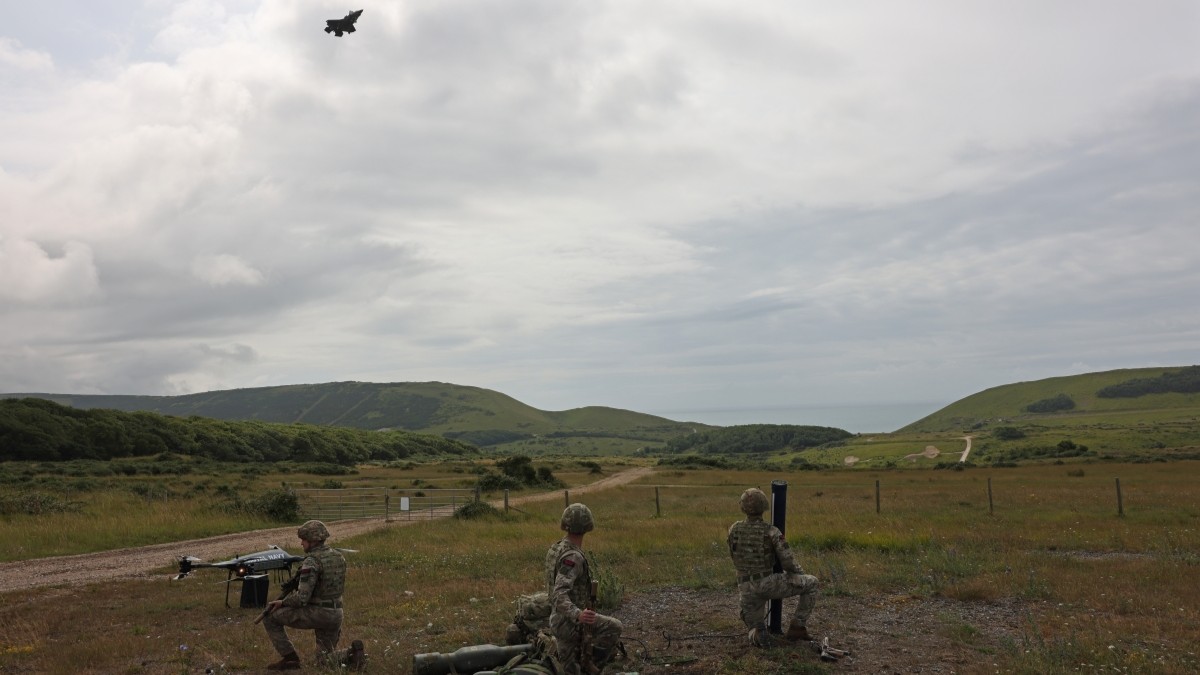
As nations analyze the ongoing conflict in Ukraine, a critical examination of military strategy and technology is imperative. Gen. (ret.) Sir Nick Carter, a former chief of the General Staff of the British Army, emphasizes that lasting change in military operations cannot rely solely on new technologies. Instead, it requires a comprehensive integration of doctrine, tactics, and cultural evolution. His insights stem from decades of experience, highlighting the need for a balanced approach to warfare.
Historical Context and Modern Warfare
Carter reflects on a pivotal moment in his military education during a battlefield tour of the Somme in 2001. Guided by the late Richard Holmes, he learned how the introduction of tanks during World War I evolved into a successful combination of infantry, artillery, and engineering support, enhanced by airpower and communication. This combined arms approach was instrumental in the Allies’ victory during the 100-day campaign, setting a precedent for modern military strategy.
Today, the conflict between Russia and Ukraine serves as a contemporary case study for military leaders worldwide. While technological advancements, particularly in drone warfare, have garnered attention, Carter cautions against viewing these innovations as standalone solutions. He argues that the lessons drawn from Ukraine should be contextualized within a broader framework that includes operational analysis, research, and ongoing development.
Despite the impressive capabilities of drones, Carter notes that they have yet to redefine the nature of warfare. Instead, they often act as substitutes for existing military capabilities, contributing to a stalemate rather than achieving decisive outcomes. The current battlefield dynamics echo the attritional warfare seen in World War I, underscoring the importance of understanding historical precedents while adapting to modern challenges.
Integrating Technology and Doctrine
The reliance on drones in the Ukrainian conflict raises important questions about their role in future military engagements. While they have proven effective in certain contexts, Carter argues that they cannot replace traditional assets like tanks and infantry fighting vehicles. Instead, successful integration of drones with established military platforms is essential for maximizing their potential.
To facilitate this integration, Carter advocates for a systematic approach that encompasses research, development, and rigorous training. This process should also involve a reevaluation of existing military doctrines to ensure they accommodate new technologies while maintaining operational effectiveness. As military forces around the world acknowledge the rapid evolution of warfare, it is crucial to draw lessons from past conflicts without adopting an overly simplistic view of technological adoption.
The historical evolution of military doctrine, such as the AirLand Battle concept developed in the 1980s, illustrates how successful change emerges from a combination of technological advancements and cultural shifts within armed forces. Carter emphasizes that real transformation requires not just new technologies, but also a commitment to reevaluating established practices and fostering a culture of adaptability and innovation.
Ultimately, as NATO countries consider the implications of the conflict in Ukraine, they must avoid the temptation to adopt lessons uncritically. Each military engagement has unique characteristics that demand tailored responses. The path forward involves envisioning a future that integrates emerging technologies with established military frameworks, ensuring that armed forces remain agile and capable in an increasingly complex global landscape.
Carter‘s insights serve as a reminder that the true essence of military effectiveness lies not solely in the tools at one’s disposal, but in the ability to adapt, innovate, and learn from both past and present conflicts. This ongoing evolution will define the future of warfare as nations seek to navigate the challenges posed by adversaries and the rapidly changing technological landscape.