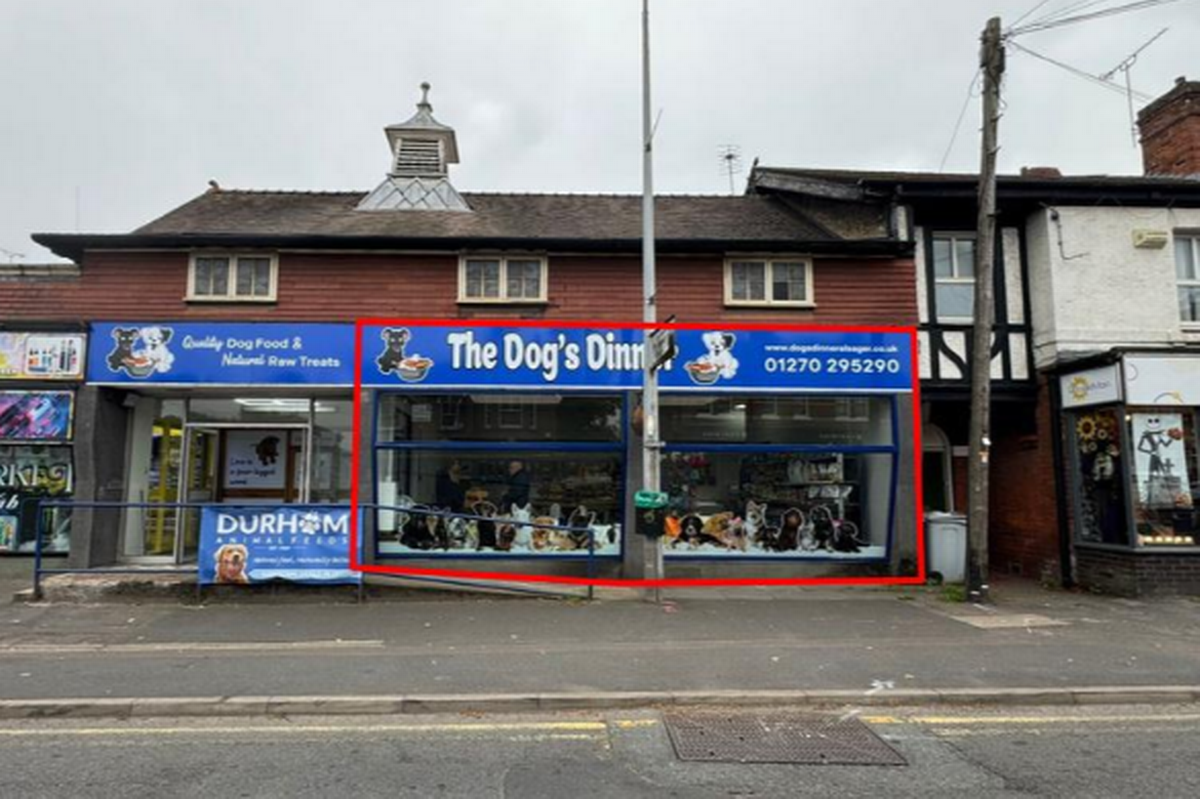
A significant rise in small business bankruptcies across the United States suggests that a recession may already be underway. According to experts, the increasing number of closures among mom-and-pop shops, local restaurants, and small retailers reflects broader economic distress. Joe Barsalona, a bankruptcy lawyer based in Delaware, characterized the trend as a troubling indicator, stating, “A recession is coming. I agree with economists that the increase in small business bankruptcies is a canary in a coal mine.”
Small business owners report being severely impacted by escalating costs. Rising rents, increased product prices, and a shift in consumer spending towards cheaper alternatives from major retailers like Walmart and Amazon have left many struggling. Barsalona noted that small businesses often rely on personal finances to stay afloat, a luxury that larger corporations typically do not need to consider.
Kelly Vore, owner of a 119-year-old shop in Ann Arbor, Michigan, recently closed her store, citing the unaffordability of rising expenses. “Everything is just much more expensive than when I took over,” she remarked. Vore’s experience mirrors a growing concern among small business owners, who feel the weight of operating in a challenging economic environment.
Increasing Bankruptcies Highlight Economic Divide
The trend in bankruptcies is underscored by the rise of Subchapter V filings, a restructuring program aimed at small businesses with debts under $3.4 million. This type of bankruptcy, which was introduced in December 2019, is increasingly being utilized by small firms that are struggling to maintain operations. By early December 2025, 2,221 small businesses had filed for Subchapter V bankruptcy, surpassing the total of 2,211 filings recorded for all of 2024, according to analysts from The Kobeissi Letter.
While these filings represent only a small percentage of the approximately 33 million small businesses in the country, the acceleration of these bankruptcies is alarming. In August 2025 alone, around 200 small businesses filed for bankruptcy, marking a 17 percent increase compared to the same month the previous year. Barsalona emphasized that these early signs could lead to larger-scale bankruptcies as the economic distress spreads.
Surveys conducted by the US Chamber of Commerce reveal a growing pessimism among small business owners. The economic outlook score dropped from 72 to 68.4 out of 100 in recent months. Additionally, the percentage of owners rating their financial health as ‘very good’ fell to 34 percent, while those describing their financial status as ‘somewhat poor’ increased from six to seven percent.
Economic Disparities Between Small and Large Businesses
This rising trend in small business bankruptcies is occurring against a backdrop of contrasting fortunes for larger corporations. While billion-dollar companies continue to report significant profits and rising stock values, small businesses are facing an increasingly hostile economic landscape. Only 30 major companies filed for Chapter 11 bankruptcy in 2025, a decrease from 51 the previous year, according to Coresight Research.
Leslie Tayne, a debt resolution attorney based in New York, highlighted the challenges small businesses face in raising prices, stating, “As costs for goods go up, many small businesses can’t raise prices fast enough because customers would complain, which means they’re making less money even when sales stay steady.” This financial strain is compounded by broader economic concerns as small businesses struggle to compete with their larger counterparts.
While the current bankruptcy data indicates significant challenges for small enterprises, economists caution against drawing direct parallels to past economic crises. During the 2008 financial downturn, over 43,000 businesses filed for bankruptcy in a single year, leading to the closure of approximately 1.8 million businesses in the following two years.
The Small Business Administration (SBA) has noted the importance of expanded lending and counseling programs to support small enterprises. A spokesperson remarked on the growth of small businesses under the previous administration, emphasizing that “there are now 36 million small businesses in America – the most ever recorded.” Despite this, the SBA did not address the recent surge in small business bankruptcies.
For many small business owners, the current economic situation feels increasingly dire. As they face store closures and financial uncertainty, the impacts of this economic strain are becoming all too clear on Main Street.