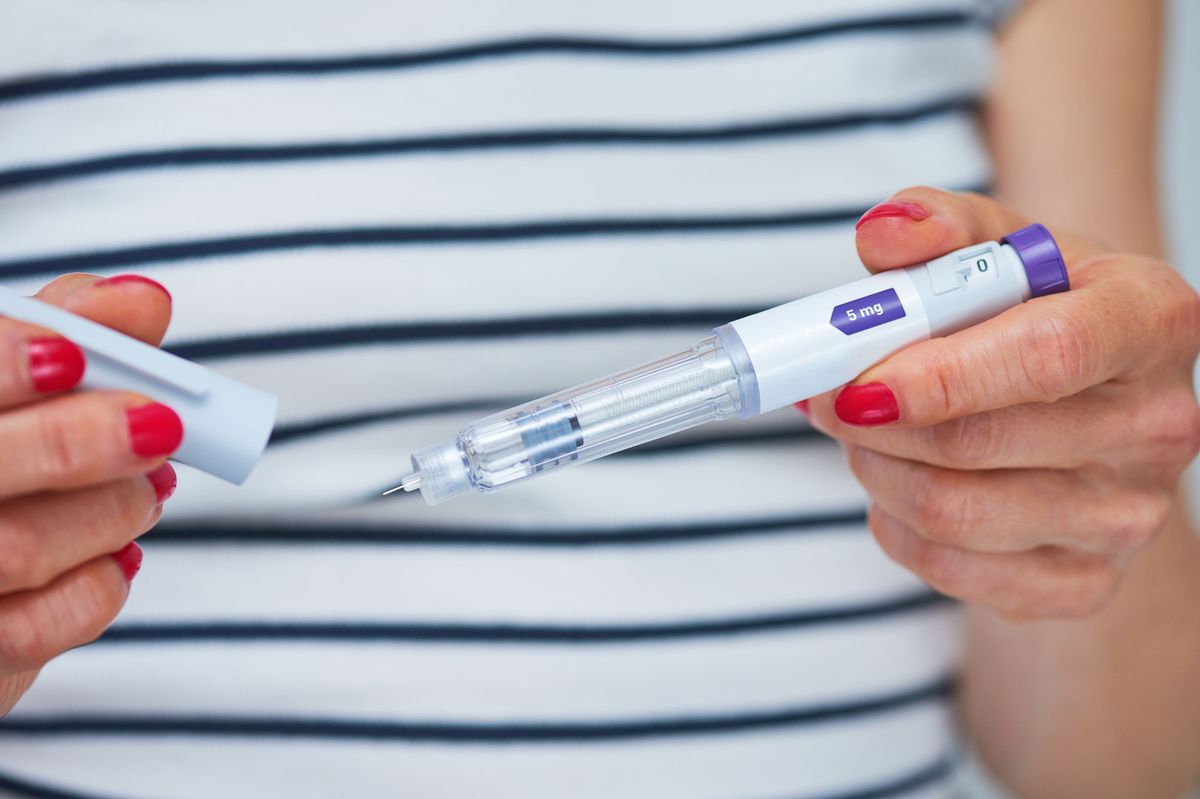
The National Health Service (NHS) has issued a critical alert concerning the use of weight loss injections, specifically Mounjaro (tirzepatide), in conjunction with other medications. This notice primarily affects individuals using oral contraceptives and Hormone Replacement Therapy (HRT), urging them to take additional precautions.
As the New Year begins, many individuals are setting health and fitness goals, including ambitions for weight loss. While regular exercise and balanced nutrition are essential, some individuals may seek medical options to assist in their weight management. Medications like GLP-1 agonists, which include Mounjaro and Semaglutide, are typically prescribed for patients with type 2 diabetes and those struggling to lose weight through lifestyle changes alone.
According to estimates from late 2025, hundreds of thousands of people in the UK are currently using Mounjaro for weight management. Usage figures range from 1.5 to 2.5 million for Mounjaro and Semaglutide combined. However, the NHS anticipates that only around 220,000 individuals will receive these medications through the health service in the next three years due to stringent eligibility criteria.
NHS Guidance on Contraceptive Methods
The NHS notice warns that Mounjaro may reduce the effectiveness of oral contraceptives, including the Progesterone-Only Pill. Patients are advised to consider non-oral contraceptive methods, such as intrauterine devices (IUDs) or implants, or to use barrier methods, like condoms, for at least four weeks after starting or increasing their Mounjaro dosage.
The NHS statement elaborates on the potential implications: “Many patients are now using weight loss medications like Tirzepatide (Mounjaro) or Semaglutide (Ozempic, Wegovy, Rybelsus) – either for diabetes or privately for weight loss. These medications work partly by slowing down how your stomach empties, which can affect how well other medicines (like the contraceptive pill or HRT tablets) are absorbed by your body.”
While Semaglutide does not appear to diminish the effectiveness of the contraceptive pill, side effects such as vomiting or diarrhoea could still affect absorption. In such cases, the NHS recommends that patients use additional protection and adhere to missed pill protocols.
For those undergoing Hormone Replacement Therapy, particularly if using progesterone tablets like Medroxyprogesterone acetate or Norethisterone, the NHS cautions that Mounjaro and Semaglutide may impair the absorption of these medications. This could potentially lead to irregular bleeding and increase the risk of health issues, including endometrial cancer.
Recommendations for Patients
Patients are encouraged to consult their healthcare providers to discuss their options regarding contraception and HRT while using weight loss medications. The NHS stresses that individuals should not use GLP-1 agonists if they are pregnant and must utilize effective contraception while on these treatments. If a patient becomes pregnant while taking these medications, they should seek medical advice immediately.
The NHS highlights that GLP-1 agonists do not interfere with non-oral contraception methods, meaning options like IUDs or implants can be safely used without additional precautions.
As more individuals explore medical avenues for weight management, remaining informed about potential interactions with other medications is crucial. The NHS’s advisory serves as a vital reminder for patients to engage in open discussions with their healthcare providers to ensure their safety and health.