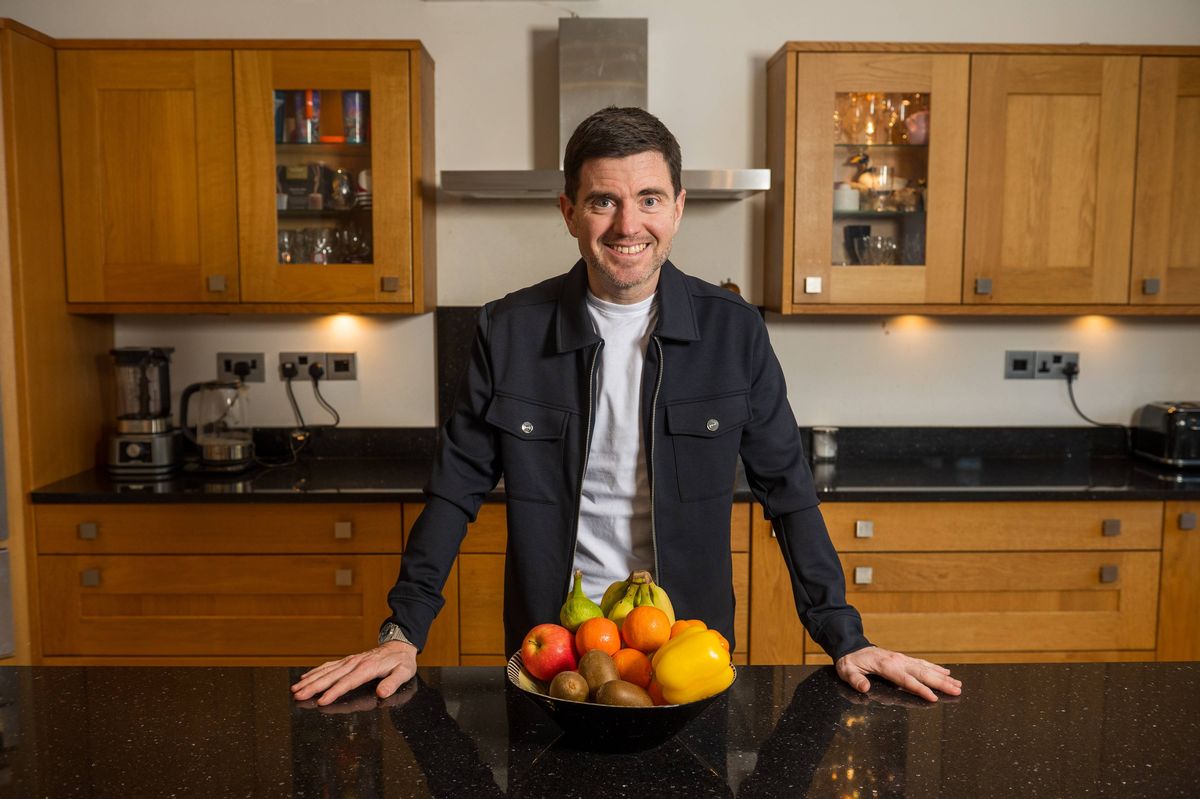
UPDATE: A bold health transformation is capturing attention as individuals are ditching ultra-processed foods (UPF) and experiencing significant lifestyle changes. Just two years ago, one individual made the drastic decision to cut UPF from their diet, and the results have been life-changing.
In January 2024, driven by a need to feel healthier after a sluggish holiday season, this individual decided to eliminate foods laden with artificial ingredients, such as ice cream, flavored yogurts, and most cereals. The motivation? To lose weight and reclaim energy. Now, at age 44, they reflect on four major shifts that have occurred since making this decision, and the urgency to spread this knowledge is evident.
The impact of UPF on health is profound. Research shows that diets high in UPF can lead to an increase of approximately 500 calories per day, resulting in an average weight gain of 2 pounds in just two weeks. In a startling experiment, Dr. Chris Van Tulleken, an infectious diseases doctor at University College London, consumed 80% UPF and gained alarming amounts of weight in just one month.
The consequences of UPF consumption are dire. Professor Carlos Monteiro of the University of São Paulo identifies UPF as a significant cause of the global obesity epidemic, linking it to various health risks, including heart disease and cancer. The message is clear: the food industry has manipulated consumers, making it increasingly challenging to resist hyper-palatable products designed to keep us eating more.
The journey to a healthier lifestyle does not require extreme measures. This individual has embraced a diet rich in whole foods, including 30 different plants each week, leading to a gut microbiome score of 93 out of 100 according to Zoe, a nutrition platform. Their meals now feature chickpeas, lentils, fresh vegetables, and nuts, and they’ve experienced incredible results, including a weight loss of 1.5 stones (9.5 kg).
“Food companies have invested heavily in the science that makes us want to eat more,” the former UPF consumer states. This journey has awakened a new awareness about food choices, emphasizing the importance of reading labels and recognizing the hidden dangers in seemingly healthy options.
Breakfast now consists of Greek yogurt topped with nuts and fruit, while lunch features lentils and homemade hummus. Dinner has evolved into dishes like salmon with butter beans and fresh herbs. Snacks have shifted too, with options such as dark chocolate and homemade energy bars now taking precedence over sugary treats.
For those considering a similar lifestyle change, experts suggest that avoiding UPF does not require perfection. Even Zoe recommends keeping UPF intake below 15% of your overall diet. A flexible approach allows for occasional indulgences without derailing progress.
As the conversation around UPF gains momentum, it becomes increasingly vital for individuals to understand the implications of their food choices. Awareness and education are key, as highlighted in Dr. Van Tulleken’s book, Ultra-Processed People, and his upcoming BBC documentary, Irresistible. This is a call to action for anyone feeling trapped by unhealthy eating habits.
In summary, the shift away from ultra-processed foods is not just a personal story but a global health movement. As more people start to recognize the dangers of UPF, the urgency to make informed dietary decisions is more pressing than ever. The journey to better health, as demonstrated, does not have to be complicated—just a commitment to conscious eating can lead to transformative results.
As this narrative unfolds, the question remains: Are you ready to take the plunge and rethink your relationship with food?