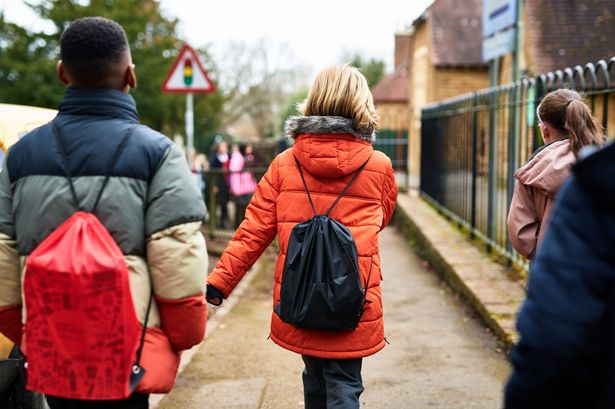
As children return to school following the Christmas break, health experts are raising alarms about the significant weight of school bags. Many youngsters are carrying loads that could adversely affect their long-term health.
The issue, highlighted by the National Health Service (NHS) in the United Kingdom, reveals that school bags often exceed the recommended weight limit of 10% of a child’s body weight. This can lead to serious health problems, including back pain and posture issues.
Health Risks Associated with Heavy School Bags
Research indicates that excessive weight in school bags can contribute to musculoskeletal problems in children. In a study published by the World Health Organization (WHO), nearly one in three children reported experiencing discomfort due to their school bags. The situation is particularly concerning as children are increasingly required to carry multiple textbooks, laptops, and other materials, often resulting in bags weighing significantly more than the recommended limit.
Parents and educators are urged to regularly check the contents of students’ bags to ensure they are not carrying unnecessary items. The NHS advises that children should only carry what is essential for the day, recommending the use of lockers where possible to lighten daily loads.
Recommendations for Parents and Schools
To address this growing concern, experts suggest several strategies for parents and schools. First, parents should encourage children to pack their bags the night before school, selecting only the materials needed for the next day. Moreover, schools can implement policies to reduce the volume of textbooks by adopting digital resources and providing access to materials online.
Additionally, experts recommend that schools offer ergonomic backpacks designed to distribute weight evenly across a child’s back. These backpacks can help minimize the risk of injury while promoting better posture.
The issue of heavy school bags is not confined to one region but is a global challenge. Reports from Australia and Canada echo similar findings, with children in these countries also facing the burden of oversized school bags.
As the new school term begins, it is essential for parents to remain vigilant about their children’s health and well-being. By taking proactive measures to lighten school bags, families can help prevent potential health issues and ensure that children focus on their education rather than discomfort.
In summary, the return to school after the holiday season brings with it the necessity for parents and educators to assess the weight of school bags. By adhering to recommended guidelines and fostering a culture of health awareness, we can support children in carrying not just their books, but also the promise of a healthier future.