UPDATE: The Canary Islands are facing an urgent crisis as overtourism threatens several popular destinations, with the latest report from Fodor’s Travel placing them on the ‘No List’ for 2026. The influential guide warns that skyrocketing visitor numbers are straining both the fragile landscapes and the everyday lives of local residents.
Reports indicate that while some islands, like Lanzarote, are seeing over 2 million tourists in just the first half of 2025, others are grappling with the consequences. Tenerife recorded over 670,000 arrivals in March alone. However, one island is emerging as a hidden gem: El Hierro. This smaller island is attracting attention for its significantly lower tourist numbers, receiving only about 20,000 to 30,000 visitors annually.
El Hierro, the youngest and most westerly island in the archipelago, boasts a wild and diverse landscape formed by volcanic activity over the past 1.2 million years. With no direct international flights, its remote charm remains intact, primarily connecting to Tenerife North (TFN) and Gran Canaria (LPA).
Davinia Suárez Armas, the island’s director of tourism and transport, emphasized the importance of sustainable growth: “We want to increase tourism and continue to improve the island’s standard of living, but not to the detriment of the residents’ quality of life or the island’s natural resources.” El Hierro’s commitment to preserving its culture and tranquil lifestyle is evident as it strives to balance economic needs with environmental protection.
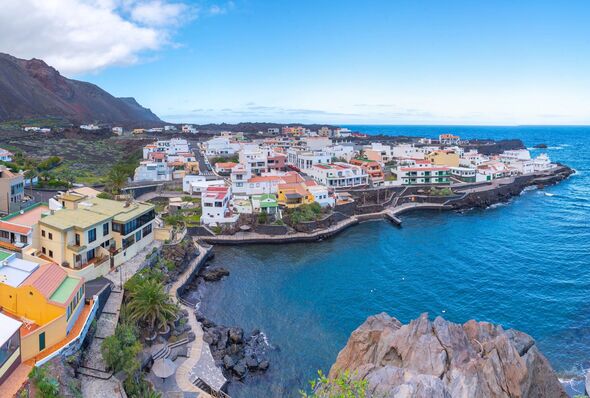
Designated as a UNESCO Biosphere Reserve and Geopark, El Hierro is home to stunning natural features, including the iconic Sabinar trees, twisted by winds, and the rare El Hierro Giant Lizard. Visitors can explore unique natural pools known as “Charcos,” formed by lava flows, or embark on adventurous hikes such as the challenging Camino de Jinama, which ascends over 2,600 feet for breathtaking views.
As the island prepares for an influx of visitors, it aims to maintain its serene atmosphere while gradually increasing tourism. El Hierro enjoys warm February temperatures ranging from 17 to 19°C, with approximately seven hours of sunshine daily.
This developing story highlights the urgent need for sustainable tourism practices in the Canary Islands. As other islands grapple with the burden of mass tourism, El Hierro stands out as a model for preserving local culture and natural beauty. What happens next could set a precedent for how popular destinations manage their tourist influx in the future. Share your thoughts on this urgent issue and consider visiting El Hierro, where you can enjoy nature while supporting sustainable tourism efforts.