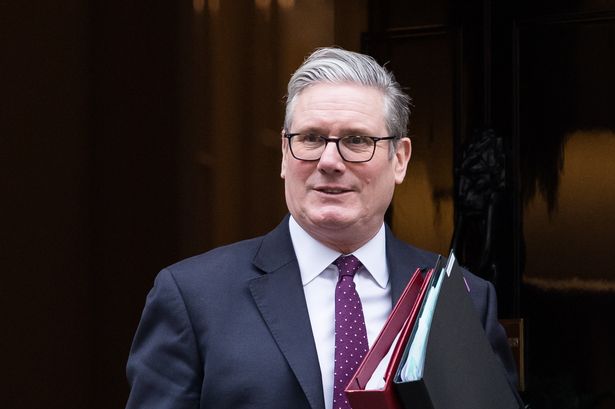
As the cost of living crisis continues to challenge families across the UK, Prime Minister Sir Keir Starmer has pledged to “make life better” for citizens by 2026. His upcoming address to voters, set for January 5, 2026, will focus on policies aimed at easing financial burdens, including a freeze on rail fares and fuel duty. Starmer emphasized that these measures will help more people experience positive change in their daily lives.
With Members of Parliament returning to Westminster from the holiday break, Starmer plans to convey a strong message during a series of public engagements. He will stress that there can be “no let-up” in the government’s efforts to alleviate the financial challenges faced by households. This announcement comes on the heels of a difficult year for the Labour Government, marked by political controversies and sluggish economic growth.
Strategic Economic Measures
The recent Budget saw the government extend a freeze on income tax thresholds, which has raised concerns that millions may be pushed into higher tax brackets. Ministers defend these fiscal decisions, stating that the overall tax increases of £26 billion are “fair and necessary” to mitigate the cost of living and enhance public services. Starmer has acknowledged the ongoing struggles many Britons face, asserting that life is still “harder than it should be” for numerous families.
During his address, Starmer will outline specific initiatives intended to alleviate financial pressures. He stated that the Labour Government is committed to cutting energy bills by £150, raising the national living wage, and implementing a freeze on rail fares for the first time in 30 years. Additionally, he mentioned plans to cap bus fares and extend the cut on fuel duty until September. “This is real change that you will be able to feel day in, day out,” he remarked, reinforcing his message of hope for a better future.
Political Responses and Criticism
Starmer’s promises are not without opposition. Kemi Badenoch, leader of the Conservative Party, criticized the Prime Minister, claiming that the very decisions made by his government have exacerbated the cost of living crisis. She argued that the “jobs tax” has driven inflation rates significantly higher, and highlighted the impact of policies aimed at achieving net-zero emissions, which she asserted have increased energy costs by over £300.
Badenoch also pointed to the burden of higher taxes on working individuals, stating that the current government has no viable plan to address the issues facing families. “Only the Conservatives have the backbone to cut spending, cut taxes, and get Britain working again,” she contended, positioning her party as a viable alternative to the Labour Government.
As 2026 approaches, the effectiveness of Starmer’s proposed policies will likely be scrutinized closely by both supporters and critics alike. He maintains that his government is dedicated to improving the lives of British citizens and will leverage every available tool to ease the cost of living. “That’s my promise to all of you,” he stated, aiming to foster a renewed sense of hope among the electorate.