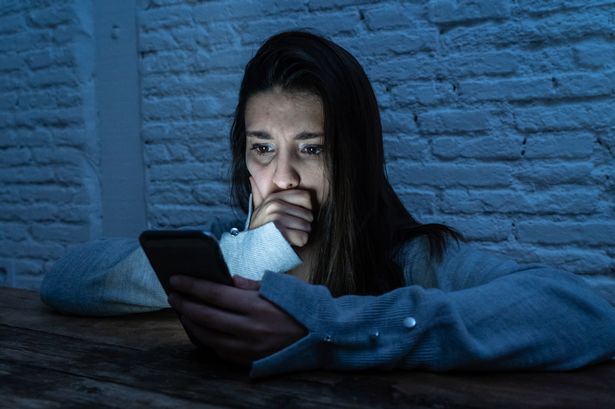
Residents in Scotland are being cautioned about a new scam that could cost them significant sums of money as the New Year approaches. Fraudsters are sending messages that appear to be from the HMRC (Her Majesty’s Revenue and Customs), urging individuals to remain vigilant as these scams can look remarkably legitimate. As the festivities conclude and people begin to plan their financial affairs for 2026, these deceptive messages could exploit the heightened anxiety surrounding money during this time.
According to reports, the scam typically surfaces every January, capitalizing on the financial worries many face after the holiday season. With numerous individuals feeling the pinch in their wallets, the timing is particularly opportunistic for criminals. Caroline Butler, a thrifting expert, recently highlighted the issue in a TikTok video, warning that victims have lost thousands of pounds in previous years due to this scam.
Understanding the Scam
Butler explained that scammers are aware that many people might be anticipating potential tax rebates or refunds at the start of the year. She noted that they often send text messages designed to provoke anxiety or curiosity, enticing recipients to click on links promising “outstanding tax refunds.” She displayed a screenshot of one such fraudulent message, emphasizing the importance of caution.
“These messages can look really legit,” Butler cautioned. “You have to be incredibly mindful and stay on your guard.” She stressed that the HMRC will never send links in text messages, marking this as a critical warning sign for recipients. Clicking on these links can compromise personal or financial information, granting scammers access to potentially steal identities or funds.
Butler advised individuals to refrain from replying to suspicious messages or clicking on any links, recommending that they only contact the HMRC through official channels, such as their website or online tax accounts. Many viewers of her video shared their experiences in the comments, revealing that they had received similar texts from mobile numbers, which is often a giveaway of a scam. One user noted, “I report and block,” while another recounted their experience with genuine correspondence from the HMRC.
Rising Reports of Fraudulent Activity
The HMRC has also issued warnings regarding communications that pressure individuals to act quickly, which can often be indicative of a scam. The agency reported that between August 2024 and July 31, 2025, concerned customers made over 170,000 scam referrals. While this marks a 12 percent reduction compared to the previous year, more than 47,000 reports still involved fake tax refund claims.
The HMRC urges anyone receiving suspicious communication claiming to be from them, particularly those asking for personal details or offering tax rebates, to verify its authenticity by consulting their official scams guidance. As the New Year approaches, individuals are encouraged to remain cautious, ensuring they protect their financial information against these increasingly sophisticated scams.