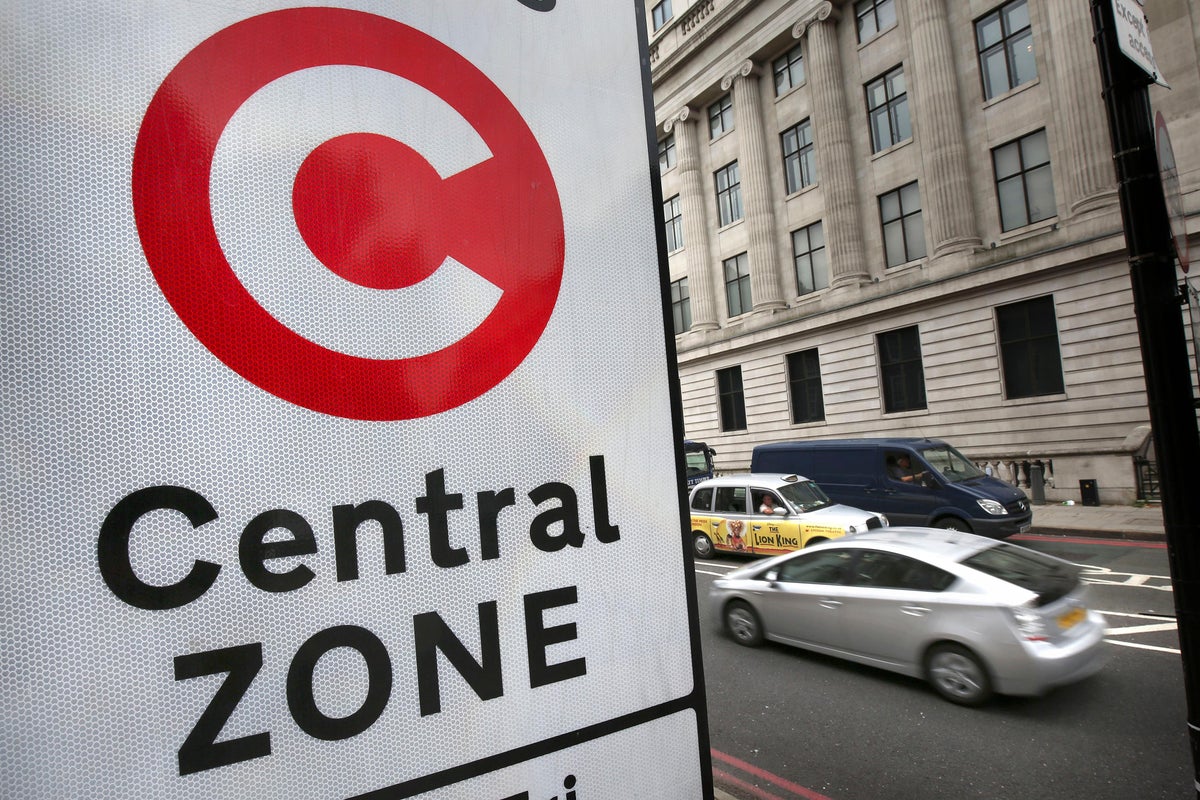
Electric vehicle (EV) drivers in central London are now required to pay the city’s congestion charge, as the exemption for battery-powered vehicles has officially ended. This change, confirmed by Mayor Sadiq Khan in November 2023, took effect on January 5, 2024. Alongside this policy shift, the daily charge for non-electrified vehicles has also increased for the first time since 2020, rising from £15 to £18.
The congestion charge, implemented in 2003, applies to a designated zone in central London from 07:00 to 18:00 on weekdays and from 12:00 to 18:00 on weekends and bank holidays. Previously, pure battery-powered EVs benefitted from a 100% discount; this discount has now been reduced to 25% for cars and 50% for vans and lorries. Further reductions are planned, with the discount set to decrease to 12.5% for cars and 25% for vans and lorries by March 4, 2030.
Residents within the congestion charge zone will still be eligible for discounts of up to 90%. However, individuals moving into the zone after March 1, 2027, will not qualify for any discount unless they drive an electric vehicle.
The timing of these changes comes as London anticipates “manic Monday,” the first working Monday of the year, which is likely to see an increase in vehicle breakdowns. The AA has warned that there may be a surge in calls for assistance as motorists return to vehicles that have remained idle during the holiday season.
According to Transport for London (TfL), the congestion charge zone remains a crucial strategy for alleviating traffic congestion in central London. The previous exemption for electric vehicles was found to undermine the effectiveness of the scheme, with estimates suggesting that without these adjustments, an additional 2,000 vehicles could be entering the zone during operational hours on an average weekday.
Mayor Khan emphasized the importance of reducing congestion for both the city’s functionality and its economy. He stated, “While the congestion charge has been a huge success since its introduction, we must ensure it stays fit for purpose. Sticking to the status quo would see around 2,200 more vehicles using the congestion charging zone on an average weekday next year.”
Khan also affirmed the city’s commitment to supporting Londoners and businesses in adopting sustainable travel options, highlighting that significant incentives for transitioning to cleaner vehicles will continue. “We are working to build a greener and better London for everyone,” he concluded.
The changes to the congestion charge reflect a broader trend in urban transportation policies aimed at promoting sustainability while managing increasing traffic levels in major cities. As electric vehicles become more prevalent, cities worldwide are reassessing their strategies for congestion management and environmental impact.