Negotiations aimed at achieving peace between Ukraine, Russia, and the United States have encountered a significant setback. A surprise meeting on February 1, 2024, between American and Russian negotiators in Florida took place without the participation of Ukrainian officials. This unexpected development has complicated ongoing discussions and raised concerns regarding the future of diplomatic efforts in the region.
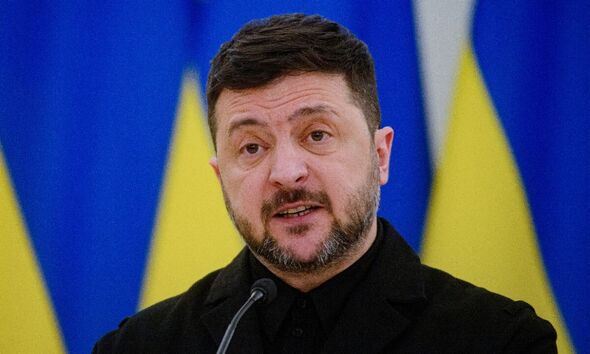
Ukrainian President Volodymyr Zelensky announced on Sunday morning that previously scheduled talks in Abu Dhabi would now be postponed to February 4-5, 2024. In a post on Telegram, he expressed Ukraine’s readiness for “substantive talks” and emphasized the nation’s desire for a resolution that would lead to “a real and dignified end to the war.”
The delay follows a meeting between Steve Witkoff, the special envoy for President Donald Trump, and Kirill Dmitriev, Russia’s special envoy, that occurred on Saturday. Neither the White House nor the Kremlin has disclosed the details of their discussions. Witkoff described the meeting as “productive and constructive,” stating that the US was “encouraged” by indications from Russia about their commitment to peace in Ukraine. He also expressed gratitude for Trump’s “critical leadership” in pursuit of a lasting resolution.
Background on Ongoing Negotiations
The trilateral talks that began on January 23-24, 2024, in Abu Dhabi were characterized as “constructive” by all parties involved. Despite this initial optimism, significant differences remain between Ukrainian and Russian officials regarding the terms of any potential agreement. Central to these discussions is the contentious issue of whether Russia should retain control over the regions of Ukraine it currently occupies, particularly in the industrial Donbas area, or withdraw its forces entirely.
While both Ukraine and Russia have expressed a willingness to engage in compromise under the guidance of the United States, the specifics of any agreement remain deeply disputed. This ongoing tension complicates efforts to transition from conflict to diplomacy, particularly as violence continues to escalate.
Recent Escalations in Violence
In a tragic turn of events, a Russian drone strike targeted the Ukrainian city of Dnipro, hitting a bus carrying mineworkers and resulting in at least a dozen fatalities. The bus belonged to DTEK, Ukraine’s largest private energy company, which has accused Russia of executing a large-scale terrorist attack on its operations in the Dnipropetrovsk region. This strike occurred shortly after President Trump had announced that the Kremlin had agreed to temporarily suspend attacks on Kyiv and other urban centers.
Ukrainian Energy Minister Denys Shmyhal condemned the strike in Dnipro as “a cynical and targeted attack on energy sector workers.” Just hours earlier, reports indicated that Russian drones had also injured six individuals at a maternity hospital in Zaporizhzhia, further escalating the humanitarian crisis in the region.
As the international community watches closely, the unfolding situation underscores the urgent need for a renewed commitment to dialogue and constructive engagement from all parties involved. The path to peace remains fraught with challenges, but the stakes are high for millions affected by the ongoing conflict.