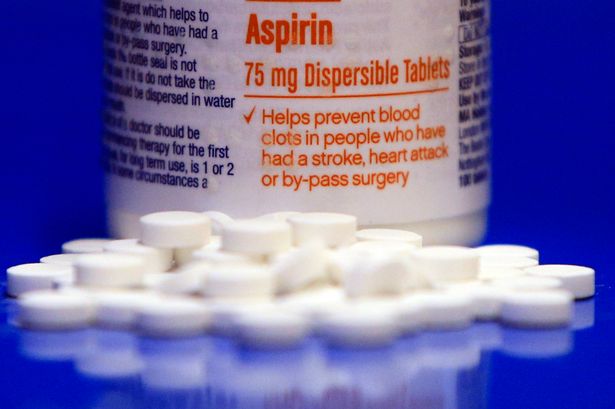
Pharmacies across the United Kingdom are grappling with significant shortages of aspirin, a critical medication used to prevent strokes and heart attacks. In response to the crisis, the UK Government has added aspirin to its export ban list, aiming to ensure sufficient supplies for local patients.
The National Pharmacy Association (NPA) and the Independent Pharmacies Association, representing thousands of pharmacies, have reported challenges in sourcing the drug due to manufacturing delays and supply chain disruptions. The NPA indicated that pharmacists are now rationing aspirin for patients experiencing the most urgent heart conditions or those requiring emergency prescriptions.
A recent survey by the NPA revealed alarming figures: 86 percent of the 540 pharmacies surveyed reported an inability to supply aspirin in the past week. Although all forms of the medication are affected, the shortage is particularly severe for the low-dose 75mg version, which is vital for long-term treatment.
To address the crisis, many pharmacies have ceased over-the-counter sales of aspirin. The NPA has also noted a dramatic increase in prices, with a packet of 75mg dispersible aspirin rising from £0.18 last year to £3.90 this month. Despite these costs, the National Health Service (NHS) only reimburses pharmacies £2.18 per packet, resulting in an average loss of £1.72 for each dispensed packet.
In light of this situation, Olivier Picard, chair of the NPA, expressed concern about the implications for patient care, stating, “We’re concerned about reports of pharmacies being unable to order in stocks of aspirin and the implications this might have for the patients they serve.” He criticized the current pharmacy contract and called for urgent reform from the Government.
Dr. Leyla Hannbeck, chief executive of the Independent Pharmacies Association, echoed these sentiments, describing the situation as “incredibly worrying.” She highlighted that the low stock levels stem from manufacturing delays and the inability of pharmacies to order necessary quantities. “The reality is that the prices paid for many medicines by the NHS are so low that manufacturers often prioritize supplying other countries instead,” she explained.
Dr. Hannbeck advised patients facing shortages to consult their local pharmacists, who can recommend suitable alternatives. Meanwhile, the NPA is advocating for a reform in regulations that restrict pharmacists from supplying alternative medications when the prescribed drug is unavailable.
“We’ve long called for pharmacists to be able to make substitutions where a medicine is not in stock and it is safe to supply an alternative,” Mr. Picard stated. “It is madness to send someone back to their GP to get a prescription changed when a safe alternative is in stock.”
James Davies, director of research and insights at Community Pharmacy England, emphasized that shortages pose ongoing challenges for both patients and community pharmacies. He called for immediate government intervention to stabilize the medicines market and improve access to essential medications.
Fiona Loud, policy director at Kidney Care UK, pointed out that the shortage of aspirin also affects individuals with chronic kidney disease, who may be prescribed low-dose aspirin to mitigate their risk of strokes and heart attacks.
As the situation unfolds, the government, healthcare providers, and pharmacies must collaborate to address these shortages and ensure that essential medications, like aspirin, remain available for those who need them most.