Keir Starmer delivered a strong condemnation of Donald Trump after the US President made controversial remarks regarding NATO troops in Afghanistan. During a recent statement, Trump suggested that NATO allies “stayed a little back, off the front line,” which prompted Starmer to label these comments as “insulting and frankly appalling.” This exchange highlights the ongoing tensions in international relations as well as the significant sacrifices made by British forces during the conflict.
Starmer’s remarks come in the wake of a conflict that has resulted in the deaths of 457 British troops and left many others with life-altering injuries. His response was not only verbal but also delivered through his body language, which some experts described as “performative.” According to body language analyst Judi James, Starmer exhibited key gestures that revealed deeper emotions behind his words.
Body Language Analysis Reveals Deeper Emotions
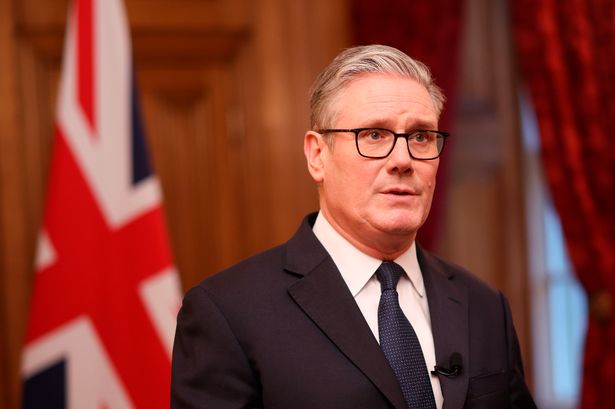
James emphasized that while Starmer’s statements appeared rehearsed, there was a notable “tell” that indicated genuine emotion. She noted that the Prime Minister’s hand movements, particularly the way his thumbs were positioned and the slight shaking of his left hand, suggested a mix of confidence and underlying nerves. “Shaking can be a sign of nerves but it can also indicate genuine anger,” James explained.
Starmer aimed to convey a tone of “anger and indignation,” both verbally and non-verbally. James pointed out that his rapid blinking and shallow breathing hinted at irritation and a readiness to confront Trump. “His gestures suggest a well-planned performance to strike the right tone for the UK audience,” she said.
As Starmer prepared to speak, his body language demonstrated impatience and eagerness to address the issue. When he finally took control of the message, he began with the words “Let me…” and used dramatic hand gestures to emphasize his points. This approach not only engaged his audience but also reinforced his stance against Trump’s comments.
Public Reaction and Implications
Starmer’s statements reflect a broader sentiment among many British citizens regarding the relationship with the United States. By asserting that Trump’s words were not representative of the nation as a whole, he sought to depersonalize the issue while still addressing the gravity of the remarks. “We have a very close relationship with the US,” he stated, indicating that his grievance was directed at Trump’s comments rather than the country itself.
In a moment of heightened emotion, Starmer used powerful language to describe Trump’s remarks, stating they were “insulting and frankly appalling.” His assertive delivery, complete with a sustained stare, conveyed his determination to hold Trump accountable. The Prime Minister’s body language, including vocal emphases and chest movements, further illustrated his commitment to this cause.
This incident not only underscores the complexities of international relations but also highlights the importance of leadership and communication in times of controversy. As Starmer navigates the political landscape, his responses to figures like Trump will likely continue to shape public perception and political discourse in the UK.