Tensions escalated as Russian political scientist Sergey Mikheyev made alarming statements regarding the potential use of nuclear force against Europe and Ukraine. Speaking on a state-controlled Russian television program, Mikheyev expressed that a significant portion of the Russian populace believes Europe and Ukraine “should have been turned into a pile of smoking, radioactive ashes.” This chilling declaration came just hours before a crucial meeting between Donald Trump and Volodymyr Zelensky aimed at addressing the ongoing conflict in Ukraine.
Mikheyev’s comments reflect a stark perspective within Russia, where he claims the majority opinion supports a more aggressive military policy. He stated, “If we held a referendum on our military policy, and asked Russians what should have happened, Europe and Ukraine would have been turned into a pile of smoking, radioactive ashes a long time ago.” The political scientist added that it is essential for Russia to persuade its citizens that future military actions may differ from current operations in Ukraine, hinting at potentially catastrophic consequences.
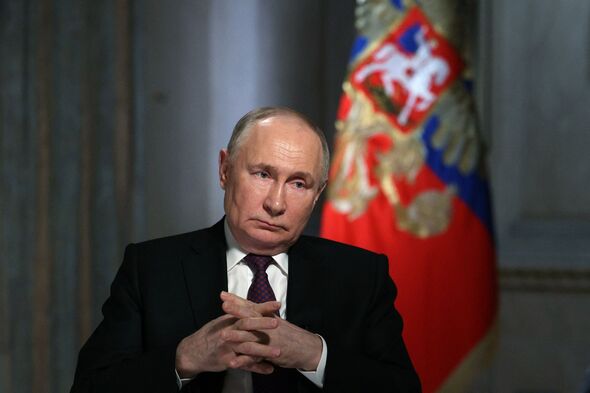
In a parallel development, Russian President Vladimir Putin issued a grave warning regarding Ukraine’s territorial integrity. He stated that if Ukraine does not acquiesce to Moscow’s demands, the violence will persist. “If the Kyiv authorities do not want to end the matter peacefully,” Putin warned, “we will resolve all the tasks facing us in the course of the special military operation using armed force.” This statement underlines the ongoing urgency as diplomatic efforts unfold.
Zelensky and Trump are set to engage in talks on December 28, 2025, at Mar-a-Lago in Florida. The discussions are expected to focus on security guarantees for Ukraine and address contentious territorial issues, specifically regarding the regions of Donetsk and Zaporizhzhia. This meeting marks the fifth instance Zelensky has traveled to the United States for discussions with Trump, highlighting the ongoing efforts to find a resolution to the nearly four-year conflict.
The previous encounters between the two leaders have been marked by tension and confrontation. Notably, during a meeting on February 28, 2025, at the Oval Office, Trump accused Zelensky of not demonstrating sufficient gratitude for U.S. assistance, stating that Ukraine was “gambling with World War III.” This history adds a layer of complexity to the upcoming negotiations, as both leaders seek to navigate a path forward amidst rising hostilities.
As international observers await the outcome of the Trump-Zelensky talks, Mikheyev’s comments and Putin’s threats serve as a stark reminder of the precarious situation in Eastern Europe. The implications of these discussions could significantly influence the geopolitical landscape, particularly regarding security and stability in the region.