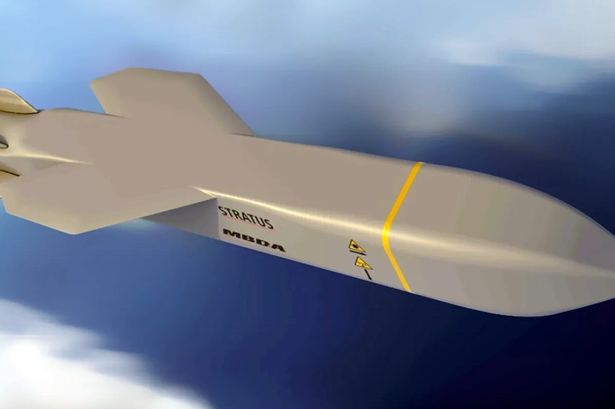
Royal Navy ships are now equipped with powerful subsonic STRATUS long-range missiles as they intensify efforts to counter increased Russian naval activity near British waters. The UK government confirmed that these advanced Type 26 frigates will carry the STRATUS missiles, designed for long-range engagements against both land and maritime targets. This development comes amidst a 30 percent increase in Russian vessels approaching UK waters in the last two years.
The decision to enhance naval capabilities reflects ongoing tensions in the region. A notable incident occurred when the Russian spy ship, the Yantar, reportedly targeted Royal Air Force pilots with lasers north of Scotland. In response, John Healey, the UK Defence Secretary, warned that any further incursions would provoke a robust response from the UK military.
Growing Concerns Over Russian Activity
The rising presence of Russian ships has raised alarms among UK officials about potential threats to critical undersea infrastructure. The National Security Strategy Committee highlighted the risk of attacks on vital cables and pipelines, which could lead to “catastrophic disruption” of financial and communication systems. This concern is underscored by Prime Minister Keir Starmer, who emphasized the need for international cooperation to safeguard national security. Starmer stated, “This historic agreement with Norway strengthens our ability to protect our borders and the critical infrastructure our nations depend on.”
Defence Secretary John Healey reiterated the importance of strong alliances in addressing these threats, noting that the UK and Norway have cooperated for over 75 years within NATO. He stated, “Our strength comes from hard power and strong alliances. When our critical infrastructure and waters are threatened, we step up.”
Future Offensive Capabilities
In response to inquiries from Ben Obese-Jecty, a Conservative MP, Defence Minister Luke Pollard outlined the Royal Navy’s requirements for advanced weaponry. The Future Offensive Surface Weapon (FoSUW) programme aims to deliver long-range anti-ship strike capabilities, which will be met through the Future Cruise Anti-Ship Weapon (FCASW) initiative. This includes two concept solutions: STRATUS LO, a subsonic, low-observable cruise-strike weapon, and STRATUS RS, designed for rapid supersonic engagements.
The introduction of these advanced missile systems is part of the UK’s broader strategy to bolster its naval defenses in light of escalating tensions with Russia. As the situation evolves, the Royal Navy remains vigilant, patrolling the seas between Greenland, Iceland, and the UK, ensuring readiness against any potential threats.