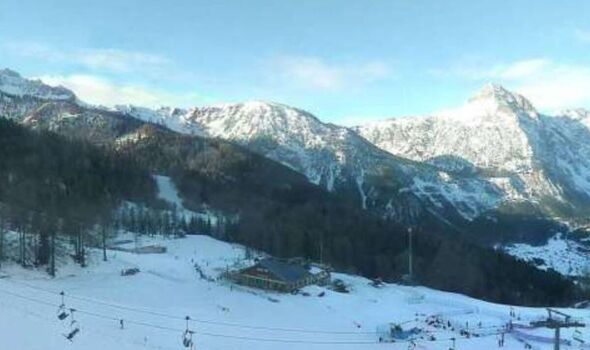
A significant drop in snowfall has left Italian ski resorts grappling with the lowest levels in over six decades. The alarming situation raises concerns for local businesses that rely heavily on winter tourism, particularly as the Christmas holiday season approaches. Ski enthusiasts from across Europe typically flock to the Alps, known for their world-class ski resorts, but this year, conditions are far from ideal.
Investment in Italian ski infrastructure has surged in recent years, with resorts pouring over €300 million into new lifts and snow-making equipment, aiming to attract winter sports enthusiasts. The ski industry in Italy boasts an impressive annual turnover of €11 billion, underscoring the importance of maintaining and upgrading facilities to ensure its sustainability. Yet, the ongoing climate crisis continues to challenge these efforts, with natural snowfall becoming increasingly unpredictable.
According to data from the National System for Environmental Protection (SNPA), the Piedmont ski region has been particularly hard hit. This area includes renowned resorts such as Sauze d’Oulx and Claviere, popular among British tourists. The SNPA’s report for the 2024-25 season indicates a snowfall deficit of between 20% and 40% in Piedmont, marking it as one of the least snowy seasons in the past 60 years. The report noted that this deficit is especially pronounced at lower altitudes and in the southern sectors of the region.
The trend extends beyond just snowfall; the number of days with snow cover has also decreased significantly. The SNPA documented a shortfall of between 20% and 50% in these areas, further compounding the challenges faced by local resorts. Ski resorts in Lombardy have similarly experienced adverse effects due to milder weather and a lack of snow, resulting in a delayed start to the ski season.
The central months of winter are characterized by warmer conditions, with limited snowfall at elevations below 1,800-2,000 meters. This trend is not isolated to Italy; many skiing nations across Europe are feeling the impact of rising temperatures. Despite a late November snowstorm that initially blanketed the Alps, unseasonably mild weather in subsequent weeks has melted much of the early-season snow.
The situation poses a significant threat to the future of skiing in Italy and beyond. As resorts adapt to these changes, the reliance on artificial snow-making technology is becoming increasingly crucial. The industry must navigate these challenges carefully to maintain its status as a premier winter destination.
With winter tourism being pivotal for the local economies, stakeholders are now faced with the pressing task of addressing the implications of climate change on their operations. As the festive season approaches, the hope remains that snowfall will improve, allowing resorts to welcome visitors in search of winter sports and leisure.