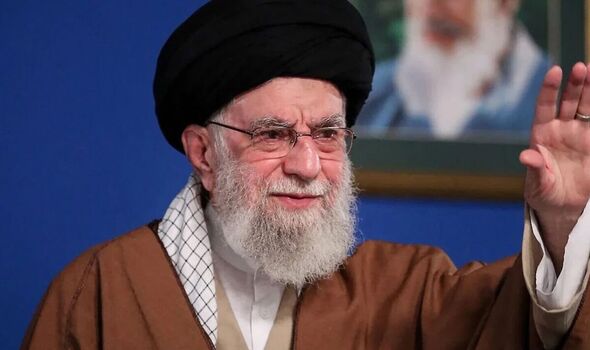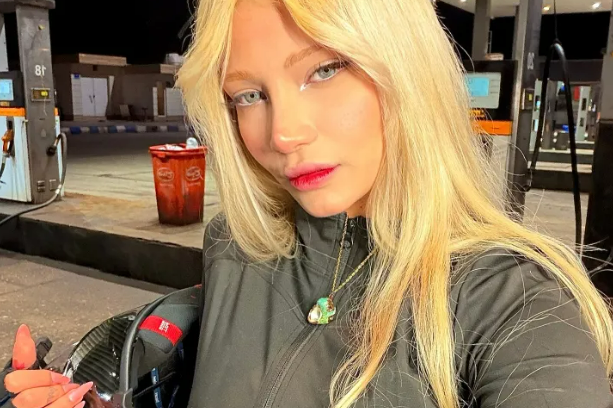
A 19-year-old Iranian motorcycle influencer known as Diana Bahador, or “Baby Rider,” was shot dead by security forces during anti-regime protests in Gorgan on January 8. Her death highlights the ongoing violence and repression faced by demonstrators as they challenge the regime led by Supreme Leader Ayatollah Ali Khamenei.
According to the Hyrcani Human Rights group, Bahador was reportedly shot twice around midnight amid fierce clashes between protesters and the Iranian Revolutionary Guards Corps (IRGC). Videos shared on social media show Bahador had a significant online presence, where she frequently posted content of herself riding motorcycles without a headscarf—an act that is illegal for women under Iranian law.
The circumstances surrounding Bahador’s death have sparked widespread outrage. Iranian state media, however, disputed the details, claiming her real name was Shahrzad Mokhami and alleging she died in a motor accident on January 22. A source close to Bahador’s family stated that authorities returned her body only under the condition that her family publicly denied any claims of execution by Iranian forces.
On her popular Instagram account, which boasts over 150,000 followers, a post emerged asserting that she had died in a motor accident, urging fans not to speculate on the cause of her death. Human rights organizations contend that the family’s statement was coerced as part of an agreement with authorities.
Bahador dedicated her social media presence to her passion for motorbikes, often showcasing tricks and stunts that are prohibited under the regime’s strict laws. Her last post, dated January 6, featured her dancing and riding a motorcycle while wearing a leather jacket.
Protests in Iran began on December 28, 2022, driven by a severe economic crisis marked by the plummeting value of the national currency and escalating living costs. Reports indicate that approximately 33,100 protesters were killed in just two weeks of demonstrations, a statistic one source described as “off the scale,” suggesting a level of violence that some have equated to genocide. Nearly 98,000 others have sustained injuries, with many suffering serious eye injuries from the government’s crackdown.
The Iranian regime has faced mounting criticism for its treatment of protesters. Hospital records reveal that hundreds were executed, including at least 468 in Tehran alone. In response to the protests, Khamenei issued orders for security forces to “crush” dissent by “any means necessary,” including the use of live ammunition.
The ongoing violence has stifled further demonstrations, with no new protests reported since the brutal crackdown. The regime’s strategy appears to be one of intimidation, with Iranian officials dismissing reports of casualties as exaggerated. Iran’s Foreign Ministry spokesman, Esmaeil Baqaei, called the high death toll a “Hitler-style BIG LIE,” questioning the credibility of these claims on social media.
As tensions escalate, the international community remains concerned about the potential for increased violence in Iran. The situation continues to evolve, with many closely monitoring developments in the country. The tragic death of Diana Bahador serves as a poignant reminder of the human cost of the ongoing struggle for freedom and rights in Iran.