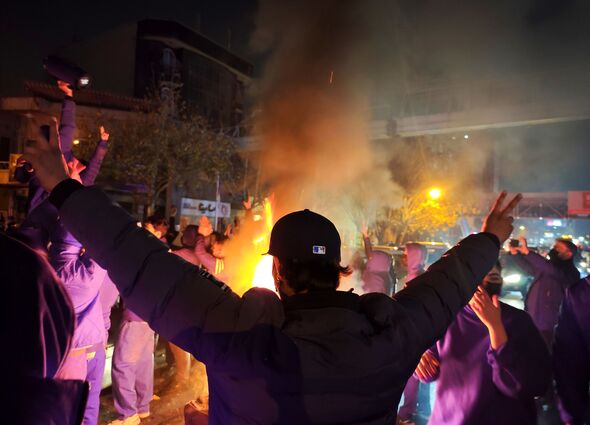
The Iranian government has come under fire for reportedly offering grieving relatives of deceased protesters a mere £28 gift card as compensation. Families in the northern province of Golestan described the gesture as an affront to their grief and a desperate attempt to silence dissent regarding the circumstances surrounding their loved ones’ deaths.
According to messages shared with the news outlet Iran International, groups comprising six to ten commanders from the Revolutionary Guards and provincial officials have visited the homes of those killed in protests. These officials have been reportedly warning families against publicizing their stories while distributing a folder containing a certificate of appreciation along with one or two gift cards valued at 50 million rial, approximately £28.
Witnesses reported that families viewed this as a humiliating tactic to stifle their voices and deter any potential legal action related to the deaths of their relatives. The practice reflects a broader pattern of state strategies aimed at managing public sentiment in the wake of ongoing unrest.
Human Rights Activists News Agency, based in the United States, has documented the devastating human toll of the protests, placing the verified death toll at 7,005, including 214 members of government forces. This figure underscores the severity of the government crackdown on dissent, which has been met with increasing discontent among the Iranian populace.
In a separate development earlier this year, President Masoud Pezeshkian introduced an “economic relief” plan that offered citizens £5 a month in vouchers in an effort to quell protests against the clerical regime and the country’s struggling economy. This initiative, which amounts to the average daily salary of a worker in Iran, was framed as a way to address societal issues, with Pezeshkian stating, “Any problems or shortcomings in society are a direct result of actions.”
He emphasized the importance of engaging with the public: “Undoubtedly, direct interaction with the people – listening to their concerns, demands, and criticisms – plays a key role in reducing psychological and social pressures.”
Despite official claims, many Iranians remain unconvinced that such measures will effectively address their grievances. As discontent continues to simmer, the government faces mounting pressure to acknowledge the realities of the unrest and the significant loss of life associated with it.
The situation in Iran highlights the stark contrast between government narratives and the lived experiences of its citizens, as families of victims grapple with both their grief and the implications of their loved ones’ deaths in a climate of repression.