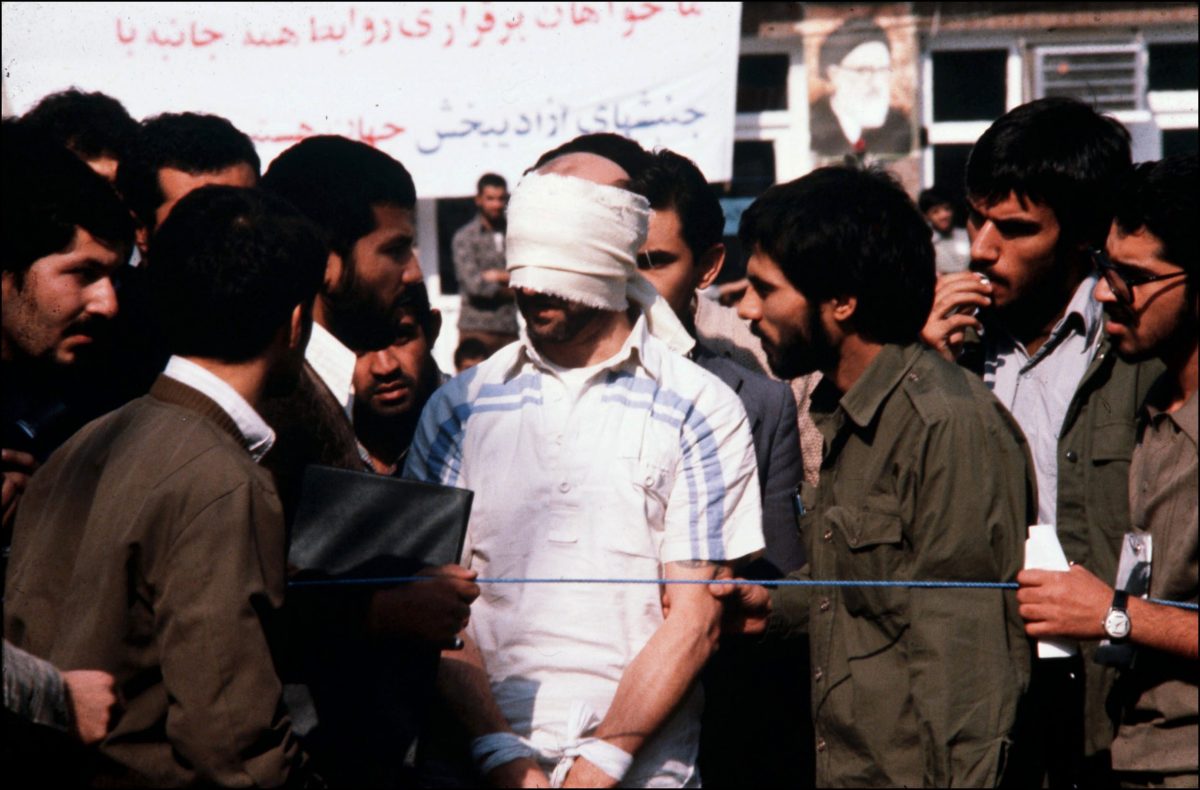
John Limbert and Barry Rosen, both former American hostages held for 444 days during the Iran Hostage Crisis, have shared their thoughts on the recent death of Iran’s Supreme Leader, Ali Khamenei. The two men, who endured harrowing conditions at the US embassy in Tehran from 1979 to 1981, maintain a diplomatic stance despite the emotional weight of their past experiences. “I was certainly not unhappy concerning his death,” admits Rosen, while Limbert reflects, “He’s not my favorite character, I’m not terribly sorry to see him gone.”
Despite their complex feelings about Khamenei’s demise, both Limbert and Rosen express grave concerns about the approach taken by Donald Trump towards Iran. Living in New York, the 82-year-old friends believe military action could exacerbate the already volatile situation in the region. “The decision to bomb Iran is absolutely insane,” says Rosen, who has been an outspoken critic of the Iranian regime and co-founded the advocacy group Hostage Aid Worldwide.
Concerns Over Military Action and Regime Resilience
Rosen, whose role as a press attaché at the embassy left him deeply affected by the events of the hostage crisis, is particularly critical of Trump’s rhetoric encouraging an uprising against the Iranian government. He argues that such calls are “absolutely moronic,” especially considering the recent violent crackdowns on protests, which resulted in the deaths of many Iranians. According to Rosen, the military and the Islamic Revolutionary Guard Corps are unlikely to turn against the regime, as they benefit from the current system and control significant economic resources.
Limbert, who continued to serve as a US diplomat until 2007, shares Rosen’s skepticism about the effectiveness of air raids in promoting democracy in Iran. “The chances of Trump and Benjamin Netanyahu achieving this through air raids are pretty damn remote,” he states, echoing fears that the regime has historically managed to endure sanctions, war, and internal incompetence.
Both men hope for a future where Iran respects human rights and democratic principles. “We want to see an Iran that treats its own people decently,” says Limbert, emphasizing the need for the Iranian government to stop its violent repression of dissent. Yet, they feel that the current military strategies will not lead to meaningful change.
Reflections on the Past and the Future of Iran
Rosen and Limbert have personal ties to Iran that date back to the 1960s, when they volunteered in the country. Their time there fostered a deep appreciation for Iranian culture, which complicates their views on the current political climate. Limbert, whose wife fled Iran after the revolution, recalls the sentiments of many Iranians who feel pain over the ongoing conflict. “It’s really hard for them,” he notes, referring to the impact of military actions on innocent civilians.
As the two former hostages reflect on their experiences, they express a desire for diplomacy over military intervention. Limbert believes that previous negotiations, such as the nuclear deal established under former President Barack Obama, were effective until they were dismantled by Trump in 2018. “Negotiation is slow, it can be frustrating. It takes patience, it takes persistence, it takes empathy. None of which he has,” Limbert argues.
Looking ahead, the potential for a power vacuum in Iran raises concerns for both men. Limbert worries about the rise of extremist groups like ISIS and the possibility of further unrest should the regime collapse. “Do you want to turn Iran into another Libya?” he questions, highlighting the risks associated with violent upheaval.
As they navigate the complexities of their past and the uncertainties of the future, Limbert and Rosen remain committed to advocating for a peaceful resolution that prioritizes the well-being of the Iranian people over military aggression. Their shared history serves as a reminder of the human cost of political decisions, and their voices contribute to the ongoing dialogue about how best to approach the challenges facing Iran today.