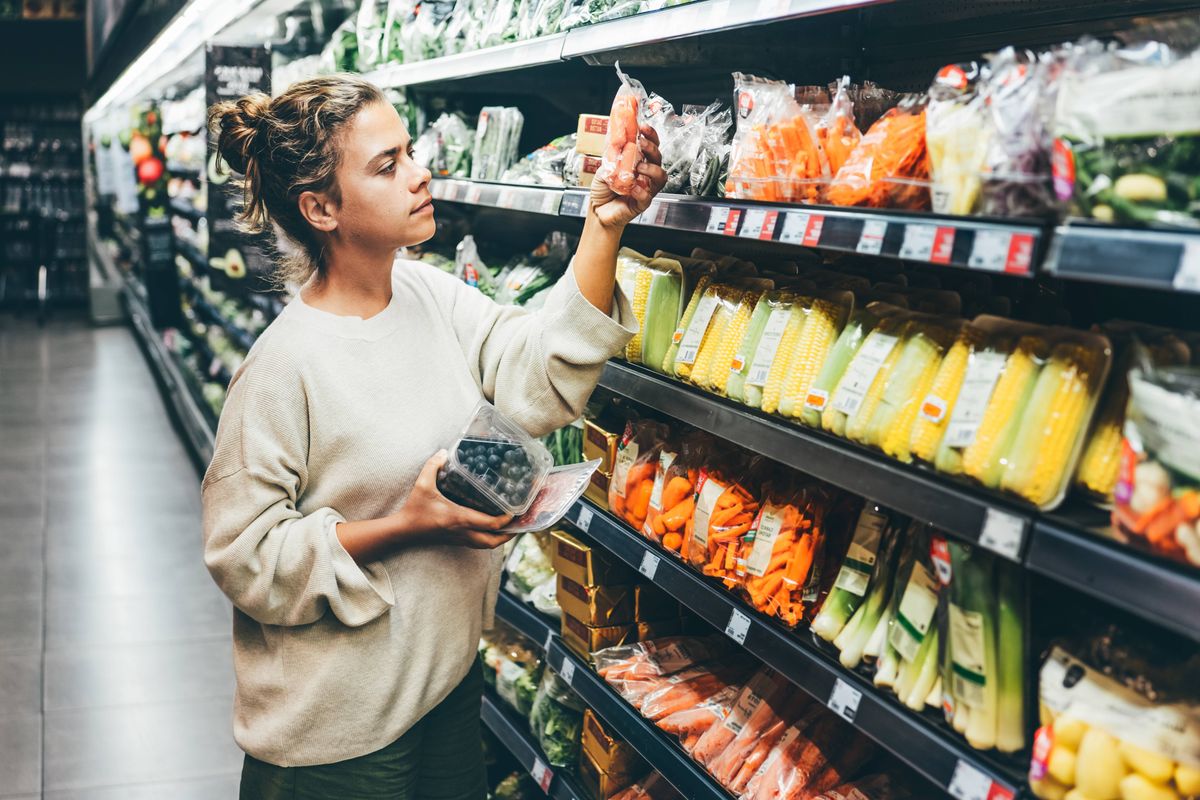
A cancer dietitian has outlined ten actionable dietary changes that may significantly reduce the risk of developing various types of cancer. Nichole, known as The Oncology Dietitian, shared these recommendations through her social media platforms, aiming to help individuals adopt healthier eating habits and lifestyles. While there is no guaranteed method to prevent cancer, these practical tips can contribute to lowering risk factors associated with the disease.
Key Dietary Changes to Consider
One of Nichole’s primary pieces of advice concerns alcohol consumption. She emphasized that “any type of alcohol will increase the risk of six cancers.” This assertion aligns with findings from Cancer Research UK, which confirm that alcohol intake raises cancer risk. While moderate drinking does not ensure cancer development, the likelihood of risk increases with higher consumption levels. Importantly, no type of alcoholic beverage is exempt from this risk. Reducing alcohol intake, therefore, could be a crucial step in lowering one’s cancer risk.
Another focus of Nichole’s guidance is the importance of whole grains. She recommended selecting whole grain options for staples like noodles, rice, and bread, as these are richer in fiber. According to Cancer Research UK, a high-fiber diet can help reduce the risk of colorectal cancer. While not all cases of bowel cancer are preventable, incorporating fiber into one’s diet can promote gut health and assist in weight management.
Milk is also highlighted as a beneficial component of the diet. Nichole noted that “milk does not give you extra hormones and it also reduces the risk for colorectal cancer.” Recent research backed by Cancer Research UK suggests that an additional intake of 300 mg of calcium daily, equivalent to a large glass of milk, could be linked to a 17% reduction in bowel cancer risk. Including milk as a regular part of meals could therefore be advantageous.
Incorporating More Healthy Foods and Physical Activity
Nichole encourages the reintroduction of soy into diets, stating that it “provides more antioxidants and reduces cancer risk.” Research from the Mayo Clinic indicates that soy isoflavones may lower cancer risk, particularly for hormone-related cancers such as breast and prostate cancer. These compounds act as weak plant-based estrogens, potentially reducing the binding of stronger natural estrogens to cells.
In addition to dietary changes, Nichole stressed the importance of physical activity. With many modern jobs requiring extended periods of sitting, she urged individuals to incorporate regular movement into their daily routines. She stated, “Being more active will reduce the risk of cancer.” Studies from Cancer Research UK support this claim, noting that reduced sedentary time can help prevent metabolic and hormonal changes that lead to tumour development. Adults should aim for at least 150 minutes of exercise each week, as recommended by the NHS.
Nichole also cautioned against excessive supplementation without necessity. Consulting a healthcare professional is vital to ensure that any changes made align with individual health needs. For instance, rather than relying on Vitamin C supplements, increasing dietary sources may be a more effective approach.
The NHS advises individuals to consume five portions of fruits and vegetables daily. This goal is more attainable than many realize, as various forms of produce, including those included in meals, contribute to this target. Following these dietary recommendations can help lower body fat levels, which is essential for reducing cancer risk.
Excess body fat is linked to at least 13 different types of cancer. According to Cancer Research UK, maintaining a healthy weight can lower levels of hormones such as estrogen and insulin, both of which are associated with cancer growth.
If there are any concerns regarding dietary changes or cancer risks, individuals are encouraged to consult with their healthcare provider for tailored advice. By making informed dietary choices and increasing physical activity, individuals may significantly contribute to lowering their cancer risk.