The fate of Russian defectors remains perilous, as illustrated by the ongoing threats from the Kremlin. One notable case is that of Sergei Skripal, a former Russian spy who survived an assassination attempt in Salisbury nearly eight years ago. He is reportedly living under a false identity in New Zealand, although the details of his whereabouts are largely unknown, even to his relatives. The situation reflects a broader trend of violence against defectors, with the recent case of Maksim Kuzminov, a military pilot who defected to Ukraine in 2023, serving as a stark reminder. Kuzminov was killed in Spain just six months after his defection, with no suspects identified.
The risks faced by those who turn against the Kremlin are stark, underscoring the dangers that Western intelligence agencies grapple with in protecting defectors. The challenges are compounded by Moscow’s tactics, including the misuse of Interpol warrants to target individuals who have betrayed the state. The infamous poisoning of former FSB officer Alexander Litvinenko in 2006 is a grim example of the lengths to which the Kremlin will go to silence dissent.
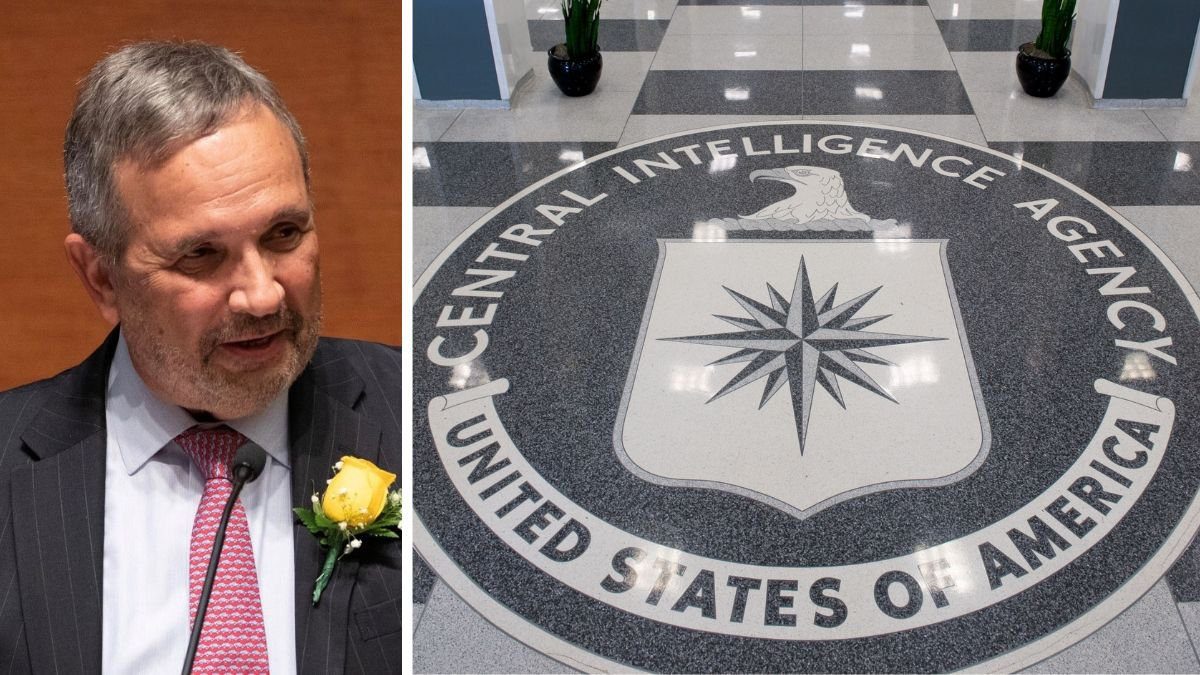
Understanding the protection mechanisms in place for defectors requires insight from those who have worked on the front lines. Joe Augustyn, who directed the CIA’s National Resettlement Operations Centre (NROC) from 1999 to 2001, recalls the complexities involved in providing safety for those who choose to break ties with their home countries. Augustyn spent much of his career on classified missions, learning firsthand the psychological nuances of individuals who choose to defect.
“Defectors are not normal people,” Augustyn remarked during an interview from his home in Virginia. “It takes a certain kind of person to betray their country, and most are aggressive and risk-takers.” He noted that many defectors possess strong egos, often believing themselves to be more intelligent than those they encounter.
Many of these individuals come with unique backgrounds. Augustyn shared an anecdote about a Russian defector in the United States who fancied himself an heir to the Romanov dynasty, insisting on living as if he were royalty. Such eccentricities are often tolerated by the CIA, given the valuable intelligence these defectors provide.
The process of extraction, or “exfiltration,” can be fraught with complications. Augustyn recounted a case where a defector insisted on bringing along 35 cats during his escape. Despite the bizarre request, the agency facilitated the extraction, demonstrating the lengths they will go to ensure the safety of their assets.
Defectors often face severe psychological challenges after leaving their past lives behind. One defector, during a walk in a park, mistakenly believed he was being targeted for assassination, highlighting the deep-seated paranoia that can accompany such dramatic life changes.
The motivations for defection often vary. While some individuals are driven by ideological beliefs, as seen in historical cases like the Cambridge Five, Augustyn noted that most are motivated by financial gain or personal grievances. The CIA does not engage in blackmail, as some foreign agencies do, to recruit spies.
The consequences of being unmasked as a defector can be dire, especially under the current Russian regime. Vladimir Putin, a former KGB officer, has characterized traitors in dehumanizing terms, further intensifying the fear surrounding defection. In response to these threats, Western intelligence agencies have committed to protecting defectors for life, not only as a moral obligation but to encourage others to consider intelligence work.
Navigating family dynamics during a defection can pose its own set of challenges. Many spies do not disclose their secret roles to their partners, leading to complicated conversations when they decide to escape. Some choose to leave during normal family vacations, while others require more urgent action. Augustyn recalled instances where individuals needed to be evacuated just before their arrest.
Historical examples illustrate the dramatic lengths to which defectors go to protect themselves. Oleg Gordievsky, a former KGB officer who provided crucial intelligence to the UK, executed a daring escape from Moscow after being recalled. He communicated his readiness to leave via a prearranged signal, which led to a tense extraction involving a hidden car and a narrow escape from detection.
Despite the risks, many defectors initially feel a sense of euphoria following their escape. They are often welcomed as heroes, eager to share their stories and meet prominent figures. However, the reality of their new lives can be challenging. Defectors are advised to adopt new identities, cutting ties with their past lives. This transition often proves difficult, especially for those with families who struggle to leave behind social media connections and old friends.
Augustyn reflected on the emotional toll of defection, stating, “You don’t want to be a defector, because it’s a tough life.” The realities of adapting to a new identity and lifestyle can lead to feelings of isolation and dissatisfaction.
Among the many defectors Augustyn encountered, Ryszard Kukliński, a Polish colonel who shared vital Soviet military documents with the CIA, stood out as a figure of both bravery and tragedy. His escape to the US in 1981 marked a significant moment in Cold War history. However, Kukliński faced personal losses that left questions about the potential consequences of his actions.
Another notable case involved Alexander Zaporozhsky, a former KGB officer whose decision to return to Russia in 2001 led to his arrest. Despite Augustyn’s warnings, Zaporozhsky believed he could navigate the risks, resulting in a lengthy imprisonment until a later spy swap.
As the challenges surrounding defection continue, Augustyn remains skeptical that the high-profile assassination attempts, such as that against Skripal, will deter new recruits. Those who choose to become spies are acutely aware of the risks involved and often make a calculated decision to proceed.
The overarching lesson from these experiences, according to Augustyn, is clear: “I wouldn’t trust Putin, on any level, on any issue.” The ongoing threats to defectors reveal a persistent and dangerous reality for those who choose to turn against their homeland.