Brenton Tarrant, the man responsible for the 2019 mass shooting at two mosques in Christchurch, New Zealand, is attempting to withdraw his guilty plea to multiple charges, including terrorism, murder, and attempted murder. Tarrant’s request is currently under scrutiny by a panel of judges at the Court of Appeal in Wellington, which will hear five days of evidence regarding his mental fitness at the time of his plea.
In March 2019, Tarrant carried out a horrific attack that resulted in the deaths of 51 people, marking it as New Zealand’s deadliest shooting incident. He has claimed that he felt pressured to plead guilty due to “irrationality” stemming from his harsh prison conditions. Should Tarrant’s appeal succeed, he could face a retrial, reversing the guilty plea he entered in March 2020, which had avoided a protracted trial.
Tarrant, an Australian self-identified white supremacist, meticulously planned the attack, which he livestreamed on Facebook. He had moved to New Zealand with intentions to commit violence, stockpiling semiautomatic weapons and drafting a manifesto to share his extremist beliefs. The attack not only claimed lives but injured dozens, with victims ranging from adults to a three-year-old boy, further cementing the tragedy as one of New Zealand’s darkest days.
Legal Proceedings and Mental Health Claims
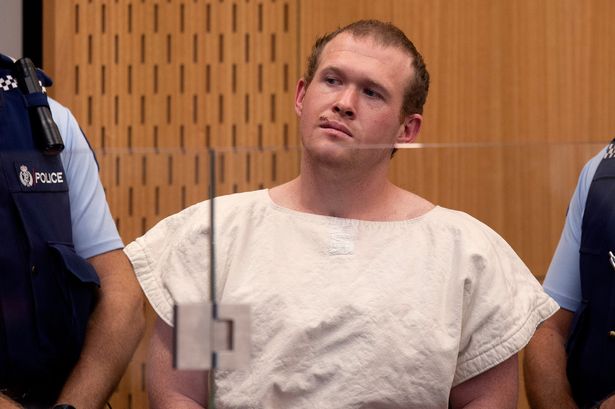
The hearing, held under strict security measures, included limited attendance, with only select reporters and those affected by the massacre allowed to witness proceedings. During his testimony, Tarrant, now 35 years old, appeared via video link from Auckland Prison, dressed in a white shirt with black-rimmed glasses and a shaved head.
Tarrant argued that his mental health had significantly declined while in solitary confinement, where he had restricted access to reading materials and minimal interaction with other inmates. He described experiencing “nervous exhaustion” and confusion regarding his identity and beliefs at the time he entered his guilty plea. Tarrant stated, “There was little else I could do,” suggesting that he felt cornered into admitting guilt before the trial began.
Crown lawyer Barnaby Hawes challenged Tarrant’s assertions, questioning whether he truly lacked options. Hawes noted that Tarrant could have requested a trial delay on mental health grounds or opted to defend himself. Furthermore, he pointed out the absence of substantial evidence indicating Tarrant was in a severe mental health crisis during the time leading up to his plea.
Tarrant contended that signs of his mental distress had not been properly documented, suggesting he had tried to hide his symptoms. “I was definitely doing everything possible to come across as confident, assured, mentally well,” he told the court. He acknowledged he had access to legal counsel throughout the judicial process.
Future Implications and Sentencing Appeal
Tarrant is also seeking to appeal his life sentence without the possibility of parole, a punishment that had never been previously imposed in New Zealand. His current legal team has been granted name suppression due to concerns about their safety in representing him.
The timeline for appealing convictions in New Zealand stipulates that such actions must occur within 20 working days. Tarrant’s application for appeal was filed approximately two years late, with documentation submitted to the court in September 2022. He stated that the delay was due to his lack of access to necessary information.
As the hearing progresses throughout the week, the judges are expected to release their decision at a later date. Should they deny Tarrant’s request to withdraw his guilty plea, subsequent hearings will focus on the appeal of his life sentence. The outcome of this case has the potential to reverberate through New Zealand’s legal system and society, reflecting the ongoing struggle against hate-fueled violence.