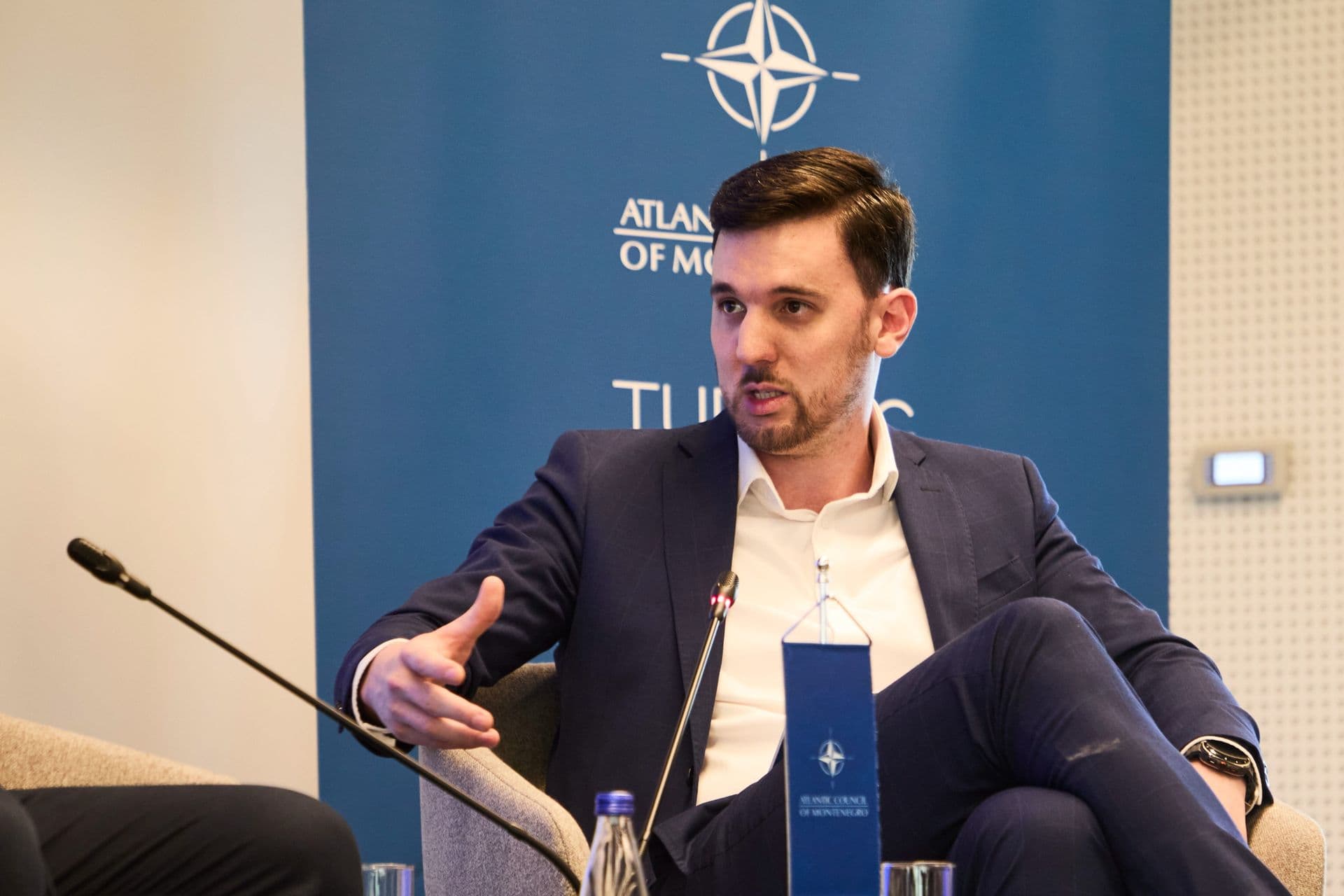
UPDATE: Major developments in Montenegro’s EU accession process have just unfolded, sparking urgent reactions from political analysts. Danilo Kalezić, a political analyst at the Historical Institute of the University of Montenegro, revealed that the complicated nature of EU negotiations cannot be resolved in a mere 24 hours.
This sudden halt in negotiations emerged just before the scheduled intergovernmental conference in Brussels, where Montenegro was expected to announce the closure of five negotiation chapters. Instead, only three chapters—Chapter 3 (Establishment of Enterprises and Freedom to Provide Services), Chapter 4 (Free Movement of Capital), and Chapter 6 (Corporate Rights)—will be closed today.
The crux of the issue stems from a French block on Chapter 11 (Agriculture and Rural Development) and Chapter 13 (Fisheries). French officials expressed concerns over Montenegro’s failure to implement recommendations over the past year, including poor communication with their Ministry of Agriculture and critical reports on minister Vladimir Joković, who oversees both agriculture and fisheries.
Kalezić criticized the current government, stating, “This government has mastered the technique of simulating reforms, yet fails to make substantive progress when needed.” He emphasized that the French block is less about the specific chapters in question and more about underlying diplomatic tensions that remain unresolved.
Following intense diplomatic efforts led by Prime Minister Milojko Spajić and Minister of European Integration Maida Gorčević, there was hope for the closure of all five chapters. However, the latest setback highlights the fragile nature of Montenegro’s EU journey, which began after gaining candidate status in December 2010 and officially opening negotiations in June 2012.
French Minister of Agriculture has voiced dissatisfaction with the ongoing issues, citing a lack of adherence to EU recommendations regarding agricultural and environmental management. In contrast, Joković claimed that France, like the other 26 EU member states, had provided a positive review of their work, denying any wrongdoing.
The implications of this blockage are significant for Montenegro’s EU aspirations, as they directly impact the timeline for drafting an accession agreement. This development raises critical questions about the effectiveness of Montenegro’s political leadership in navigating European integration processes.
As the situation evolves, Kalezić warned against oversimplifying the complexities of international relations: “Attributing this blockage to President Aleksandar Vučić is a simplification of the intricate Montenegro-France and Serbia-France relations. The true challenge lies in addressing the strategic interests of French companies and the state, particularly concerning airport and military industry projects.”
With all eyes on Brussels today, the outcome of this conference could have lasting effects on Montenegro’s EU path. Stakeholders and citizens alike are waiting for clarity amid a backdrop of confusion and diplomatic maneuvering.
Stay tuned for more updates as this story develops.