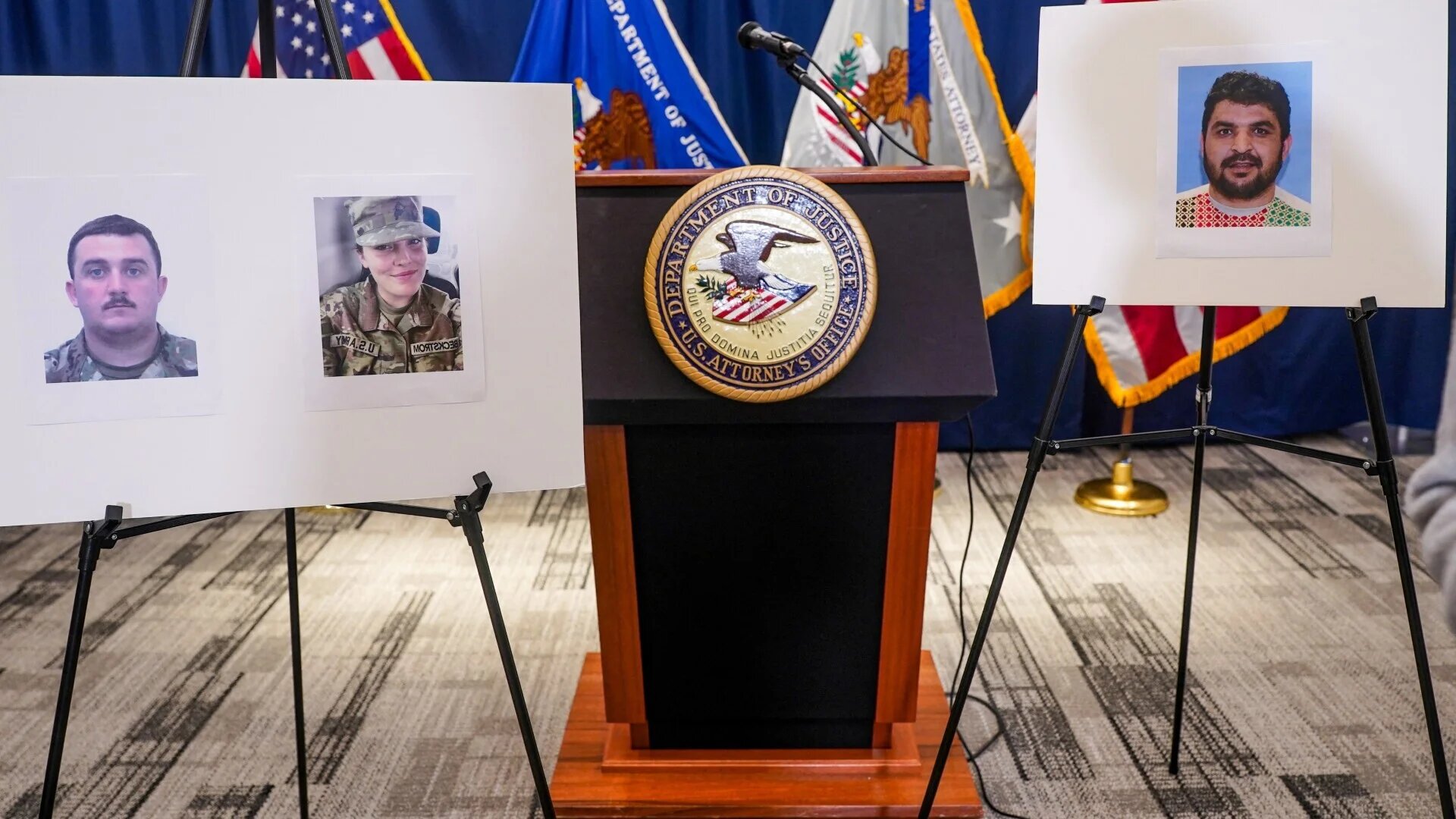
UPDATE: Tensions soar as new details emerge about Rahmanullah Lakanwal, the Afghan national arrested for allegedly shooting two members of the National Guard in Washington, DC. This incident is now thrusting thousands of Afghans into a state of uncertainty just weeks after the tragedy, raising serious questions about immigration policies and mental health support.
Lakanwal, who has been in US custody since the shooting, was extensively vetted by the CIA during the US’s two-decade involvement in Afghanistan. He was a member of the CIA’s Zero Unit and served in the elite Kandahar Strike Force. Since his arrival in the US in 2021 under the Operation Allies Welcome program, Lakanwal faced significant challenges, including culture shock and isolation.
Shawn VanDiver, founder of the non-profit advocacy group #AfghanEvac, stated, “We need to make very clear that this is not indicative of a larger problem with Afghans… There’s still a lot of questions that are out there, like, where the hell did he get a gun?” This sentiment echoes the concerns of many as the fallout from the shooting intensifies.
In a rapid response to the shooting, former President Donald Trump declared that immigrants who do not demonstrate love for the country would face increased scrutiny. “We must now re-examine every single alien who has entered our country from Afghanistan under Biden,” Trump stated during a televised address from his estate in Palm Beach, Florida.
As the administration ramps up its crackdown on Afghan refugees, approximately 70,000 Afghans have already resettled in the US since the chaotic evacuation in August 2021. Alarmingly, another 180,000 individuals are still waiting for their Special Immigrant Visa (SIV) applications to be processed.
Legal experts, including Afghan-American lawyer Laila Ayub, warn that the backlog and potential new vetting processes could further endanger many Afghans. “They have, unfortunately, a lot of resources for deportation and detention right now,” Ayub explained. “This leads to negative impacts on communities, including decreased school attendance and increased anxiety among families.”
The ongoing crisis is further complicated by the Trump administration’s recent elimination of the Temporary Protected Status (TPS) for Afghans, leaving over 11,000 individuals in a precarious legal limbo. VanDiver emphasizes that these Afghans risked their lives to support US forces and deserve protection.
Senator Mark Kelly criticized the administration’s approach, stating, “Going after a large group of people… does not make a lot of sense to me.” Meanwhile, Senator Chris Van Hollen noted that there is no evidence that Lakanwal escaped the vetting process, suggesting that he may have been radicalized after arriving in the US.
As the situation evolves, organizations like Project ANAR are mobilizing to offer legal support and advocacy for Afghan refugees facing increased scrutiny. “We’re asking Congress to stand strong with Afghans and ensure that they don’t let the president turn this into a political cudgel,” VanDiver affirmed.
This developing story highlights the urgent need for comprehensive support for Afghan refugees and raises critical questions about the US’s obligations to those who risked their lives for American ideals. As the nation grapples with this tragedy, the focus must remain on the human impact and the urgent need for compassionate policies.