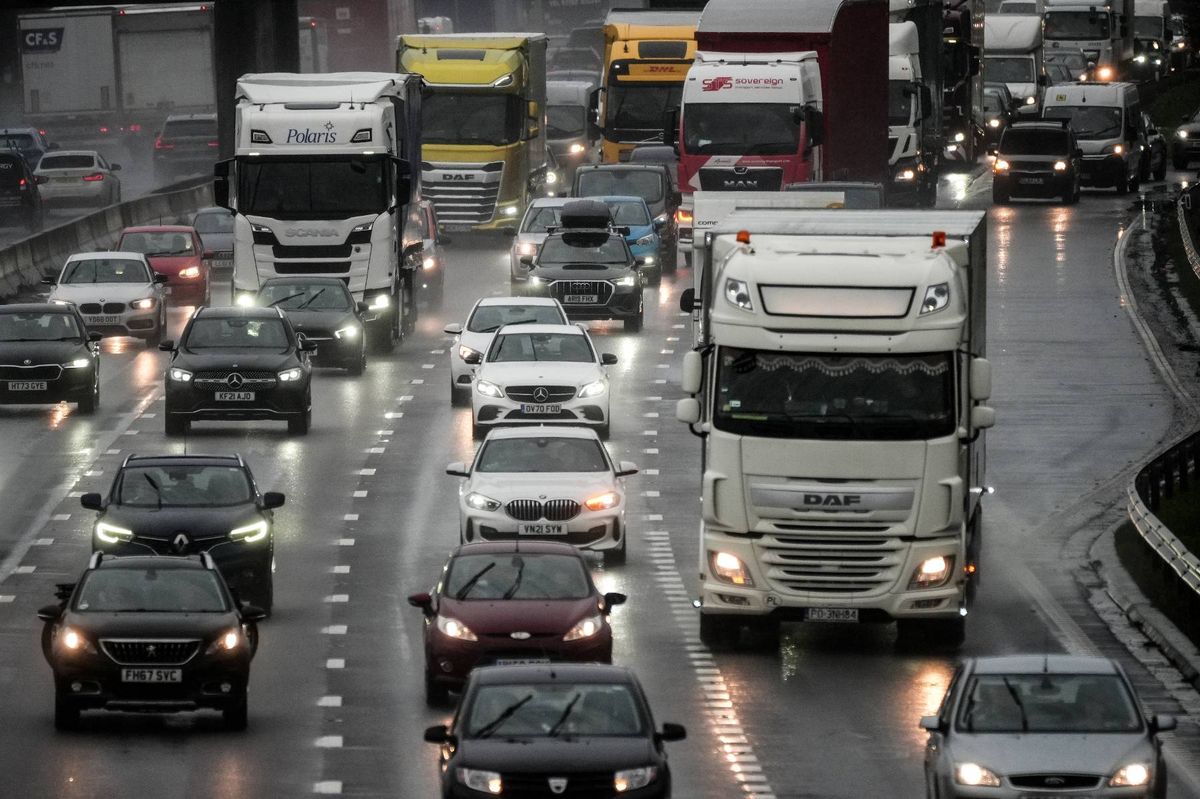
UPDATE: UK drivers are bracing for significant rule changes set to take effect in 2026, impacting everything from seat belt laws to vehicle taxes. New reports confirm that the Labour Party’s upcoming Road Safety Strategy, expected in the new year, will introduce key revisions that could change the driving landscape entirely.
Motorists will face heightened costs, particularly for electric vehicles (EVs), as fuel prices are projected to rise with the end of a long-standing freeze. Some disabled drivers could see additional expenses averaging around £400 due to the removal of specific tax reliefs.
Authorities anticipate several critical changes to driving regulations, including:
1. Motability Scheme Adjustments: Starting in July 2026, luxury vehicles from brands like BMW and Audi will be excluded from the Motability scheme. Chancellor Rachel Reeves announced in the November Budget that VAT will be applied to advance payments, leading to an estimated average increase of £400 over a three-year period.
2. Stricter Eye Tests for Over-70s: The government is considering mandatory eye tests for individuals over 70 renewing their driving licenses. Currently, drivers in this age group must renew their licenses every three years, relying on self-reported medical conditions. Increased calls for change follow concerns from opticians about drivers unfit to drive due to poor eyesight.
3. Reduced Drink-Drive Limit: Authorities are evaluating a potential reduction of the drink-drive limit from the current 80mg to 50mg of alcohol per 100ml of blood, aligning with stricter Scottish regulations.
4. Enhanced Seatbelt Laws: Under proposed changes, the penalty for failing to wear a seatbelt could rise to include three penalty points on a driver’s license, in addition to fines of up to £500.
5. New Driving Theory Test Content: Beginning in 2026, the driving theory test will incorporate new questions on CPR and first aid. This initiative aims to equip learners with essential life-saving skills, potentially improving the UK’s cardiac arrest survival rates.
The DVSA (Driver and Vehicle Standards Agency) is also preparing to implement a crucial rule change allowing only learner drivers to book their own driving tests, effective from spring 2026. This move aims to address the backlog caused by individuals block-booking tests.
Moreover, starting in April 2026, electric vehicles will face a new Electric Vehicle Excise Duty (eVED) that charges drivers based on mileage, with rates set at 3p per mile for EVs and 1.5p for plug-in hybrids.
The new regulations coincide with the anticipated introduction of self-driving cars on UK roads, following the passing of the Automated Vehicles (AV) Act in May 2024. This legislation mandates rigorous safety testing for all autonomous vehicles, aiming to enhance road safety and reduce accidents.
As the UK gears up for these significant changes, the impact on drivers will be profound, affecting everyday costs and driving privileges. Stay tuned for more updates as these developments unfold.
For more updates, consider subscribing to our daily newsletters for the latest news across the UK.