URGENT UPDATE: In a dramatic shift, Venezuelan President Nicolás Maduro was overthrown today, July 15, 2025, following a swift military intervention led by the United States. This unprecedented move marks a pivotal moment in a country long caught in the crossfire of international power struggles.
Just hours before his ousting, Maduro engaged in talks with a Chinese delegation, only to face the stark reality of American intervention moments later. The U.S. government confirmed that this operation falls under a controversial new policy termed the “Trump Corollary” to the Monroe Doctrine, aiming for increased American influence in the region.
The implications of this coup are monumental. Maduro’s fall raises urgent questions about the future of Venezuela, a country rich in oil reserves that Trump has openly coveted. In a recent statement, Trump emphasized the vast wealth of Venezuelan oil, declaring, “the money coming outta of the ground is very substantial.” His administration now plans to oversee the country until a government favorable to American interests can be established.
WHAT’S NEXT: The U.S. has reportedly favored working with Maduro’s vice president, Delcy Rodriguez, over opposition leader Maria Corina Machado, a recent Nobel Peace Prize winner who has widespread support among Venezuelans. Trump stated that it would be “very tough” for Machado to lead without respect within the country, raising concerns about the legitimacy of future governance.
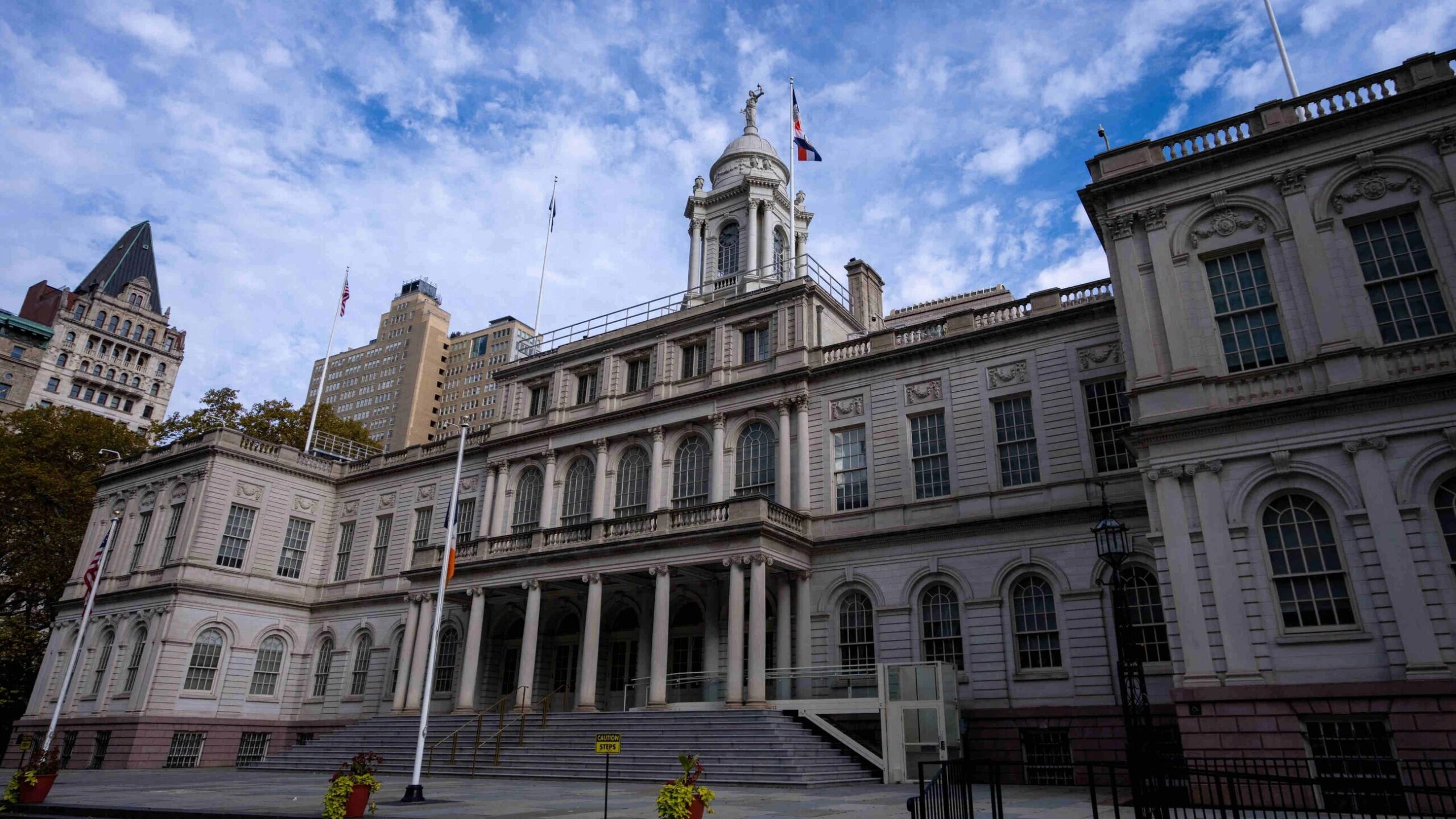
As news of the coup broke, celebrations erupted among the Venezuelan diaspora, who gathered outside a courthouse in New York City, chanting, “It’s fallen, this government has fallen!” Rafael, a 60-year-old Venezuelan who fled to the U.S. in 2015, expressed his long-held hope for change, stating, “We have been waiting for a way out for so long… this is the first step. I cannot do anything but be grateful for it.”
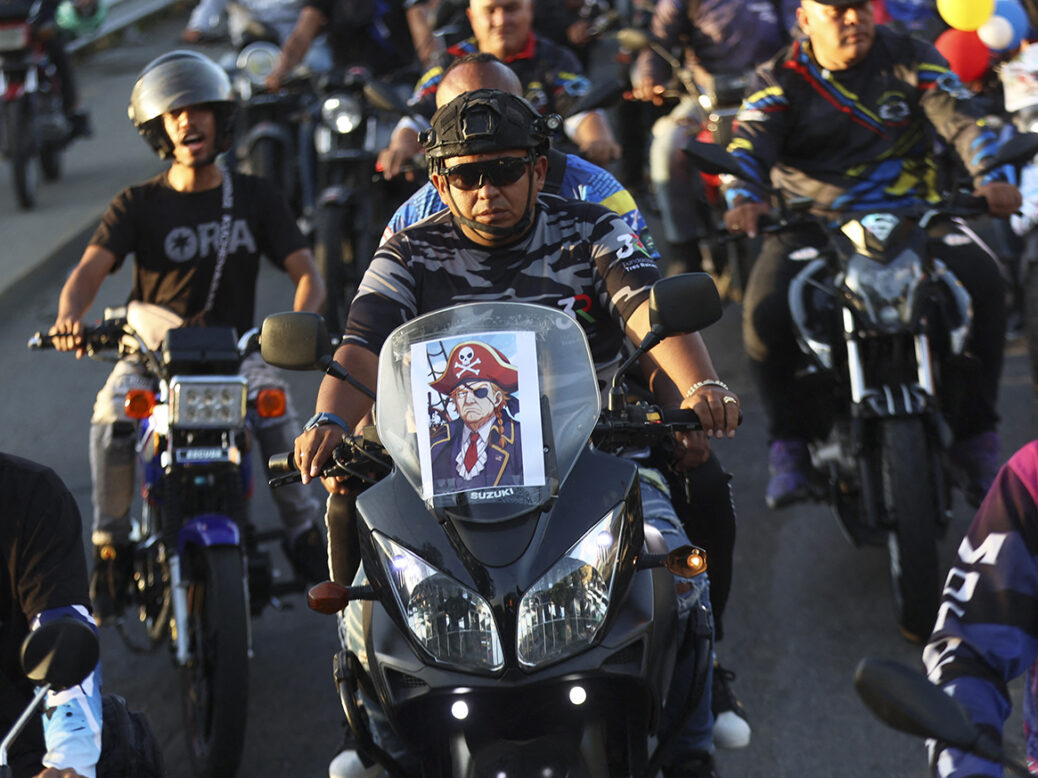
However, as jubilant crowds celebrate, fears of civil unrest loom large. Venezuelans worry about the potential for violence as armed groups, including paramilitary forces known as colectivos, remain active. “The worst thing Trump can do now is keep the Chavistas in power,” said a 27-year-old professional who escaped the regime five years ago.
Amidst the chaos, questions about the U.S. legal rationale for the invasion persist. Marco Rubio, Secretary of State, justified the operation as an attempt to apprehend “indicted fugitives of American justice.” Critics warn that this sets a dangerous precedent for international law, allowing U.S. forces to act unilaterally against foreign leaders.
Venezuela stands at a crossroads, caught between hope for freedom and the specter of imperial ambitions. The country has endured 20 years of governmental oppression, a suppressed press, and rampant human rights abuses. The desire for democracy and the rule of law now aligns with Trump’s agenda, but many remain skeptical of American intentions.
As the situation unfolds, Venezuelans await clarity on how the U.S. will navigate this complex landscape. The fate of their country may hinge on whether Trump ultimately supports genuine democratic reforms or prioritizes strategic interests.
For now, Venezuela remains a focal point in the ongoing battle for global influence, with its citizens caught in the middle of a geopolitical tug-of-war. The coming days will be critical in determining the future stability and governance of this troubled nation.