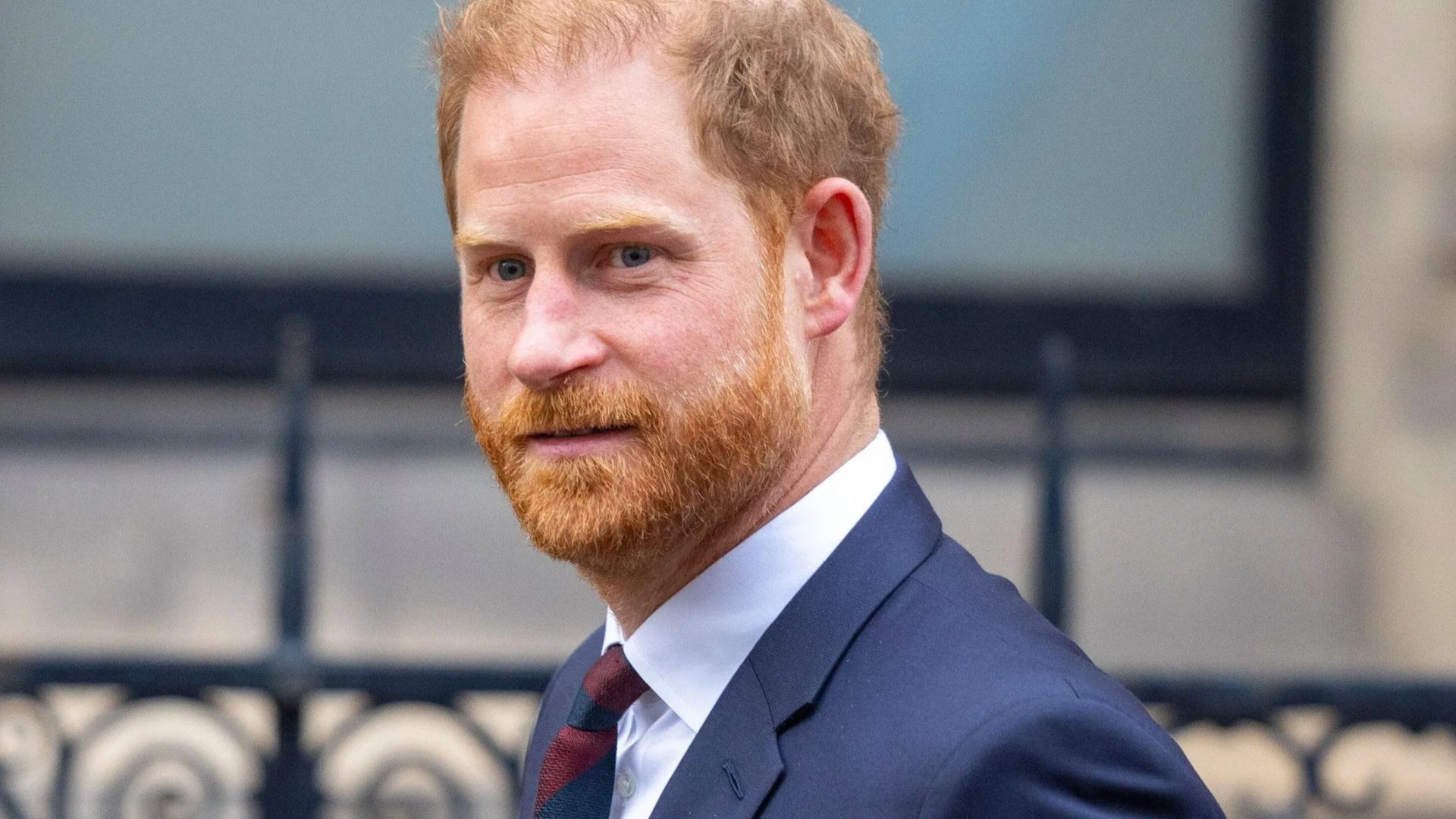
A woman with an obsession for Prince Harry caused alarm during his recent privacy trial at the UK High Court by sitting behind him on two occasions. The unidentified female was located just feet away from the prince in the public gallery, prompting his private security team to notify court officials. Despite their concerns, security personnel reportedly stated, “There is nothing they could do; they are not the police.” The situation was complicated by the fact that the woman had a legal right to be present in the public courtroom.
Neil Basu, the former head of the UK’s Counter Terrorism Unit, commented on the incident, describing it as “incredibly anxiety-inducing.” This incident marks the second time the woman has closely followed Prince Harry, who is 41 years old. Sources indicate that she is known to have a fixation on him and had previously traveled to Nigeria to track his movements last year.
The woman also gained access to a restricted area at a central London hotel during the WellChild Awards in September 2022, where Prince Harry was present. Just two days later, she was spotted near him at the Centre for Blast Injury Studies in west London, raising further concerns about her proximity to the royal.
Prince Harry was in court to pursue a privacy claim against the Daily Mail regarding allegations of unlawful information gathering. This legal battle is part of a wider effort by several high-profile individuals to hold media organizations accountable for their practices. In a related development, Harry lost a long-standing appeal last May for taxpayer-funded police protection during his visits to the UK. The protection was removed after he and his wife, Meghan Markle, stepped down as working royals in 2020, a decision Harry described as “difficult to swallow.”
The incidents involving the stalker highlight ongoing security concerns for Harry, particularly given the media scrutiny surrounding his life and the complexities of royal security protocols. As the legal proceedings continue, the implications for his personal safety and privacy remain significant.