Reform UK has come under fire for its sudden change in stance regarding the ongoing conflict in Iran. Initially, the party expressed strong support for military action alongside the United States and Israel, but recent comments from its leadership suggest a retreat from that position. This shift has triggered accusations of panic as economic concerns linked to the conflict become more pronounced.
In the early days of the conflict, senior figures within Reform UK were vocal proponents of military involvement. Prominent among them was former Conservative Chancellor Nadhim Zahawi, who, after joining the party earlier this year, urged the UK to “join the bombing if needed.” Furthermore, party leader Nigel Farage echoed these sentiments, stating unequivocally, “We should do all we can to support the operation.” He emphasized that Britain must play a proactive role, declaring, “The gloves need to come off; we have to get rid of this regime.”
Reform Deputy Leader Richard Tice also advocated for Britain to align with its allies, arguing on social media that the UK should act “responsibly” in its support. He challenged critics by asking if they preferred to wait for Iran to commit further acts of aggression before taking action.
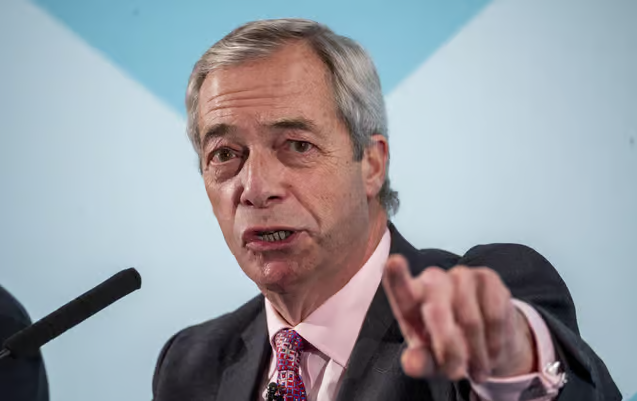
The tone shifted significantly during a press conference held by Farage on March 5, 2024. He expressed a more cautious viewpoint, stating, “If we can’t even defend Cyprus, let’s not get ourselves involved in another foreign war.” This marked a clear departure from the party’s prior assertive stance.
The timing of this change coincides with a notable increase in global oil prices, raising concerns among economists regarding potential impacts on inflation, mortgage rates, and petrol costs in the UK. Critics have interpreted this shift as a response to growing economic pressures rather than a principled reevaluation of foreign policy.
Opponents of Reform UK seized on this development, labeling it as a sign of disarray within the party. A source from the Labour Party remarked, “Nigel Farage and Reform spent the past week saying they would bomb Iran. Now they’re backtracking as petrol prices rise, leaving their foreign policy in chaos. That’s not serious leadership; that’s panic.”
Public sentiment appears to reflect this skepticism. According to a recent YouGov poll, 59% of voters now view the conflict negatively, a noticeable increase from 49% just a week earlier. Despite this, support for military action remains steady at 25%.
Labour Chair Anna Turley criticized Farage’s earlier comments, underscoring the gravity of decisions related to military engagement. She stated, “Going to war is the most serious decision a prime minister can make. If he had been prime minister, he would have already dragged our country into this war and wouldn’t be able to U-turn like he has done today.”
As Reform UK navigates this complex landscape, the party’s leadership faces increasing scrutiny regarding its foreign policy stance and the potential ramifications for its political future.