URGENT UPDATE: A significant political shift is underway in Montenegro as the Movement for Europe Now (PES) grapples with its identity amidst rising nationalism and religious narratives. The political landscape is rapidly evolving, creating urgent concerns about potential divisions among citizens.
New reports confirm that while Montenegro retains its civic character, the political scene is increasingly leaning toward pronounced ethnic and religious identities. PES, under the leadership of Milojko Spajić, has yet to solidify its political image as key figures like Andrija Mandić and Milan Knežević actively promote their own agendas ahead of the upcoming 2024 elections.
The implications are profound. As the country seeks to accelerate its path toward European Union membership, the current political climate suggests a shift away from unity and toward populism and nationalism. This shift raises urgent questions regarding social cohesion in an already polarized electorate.
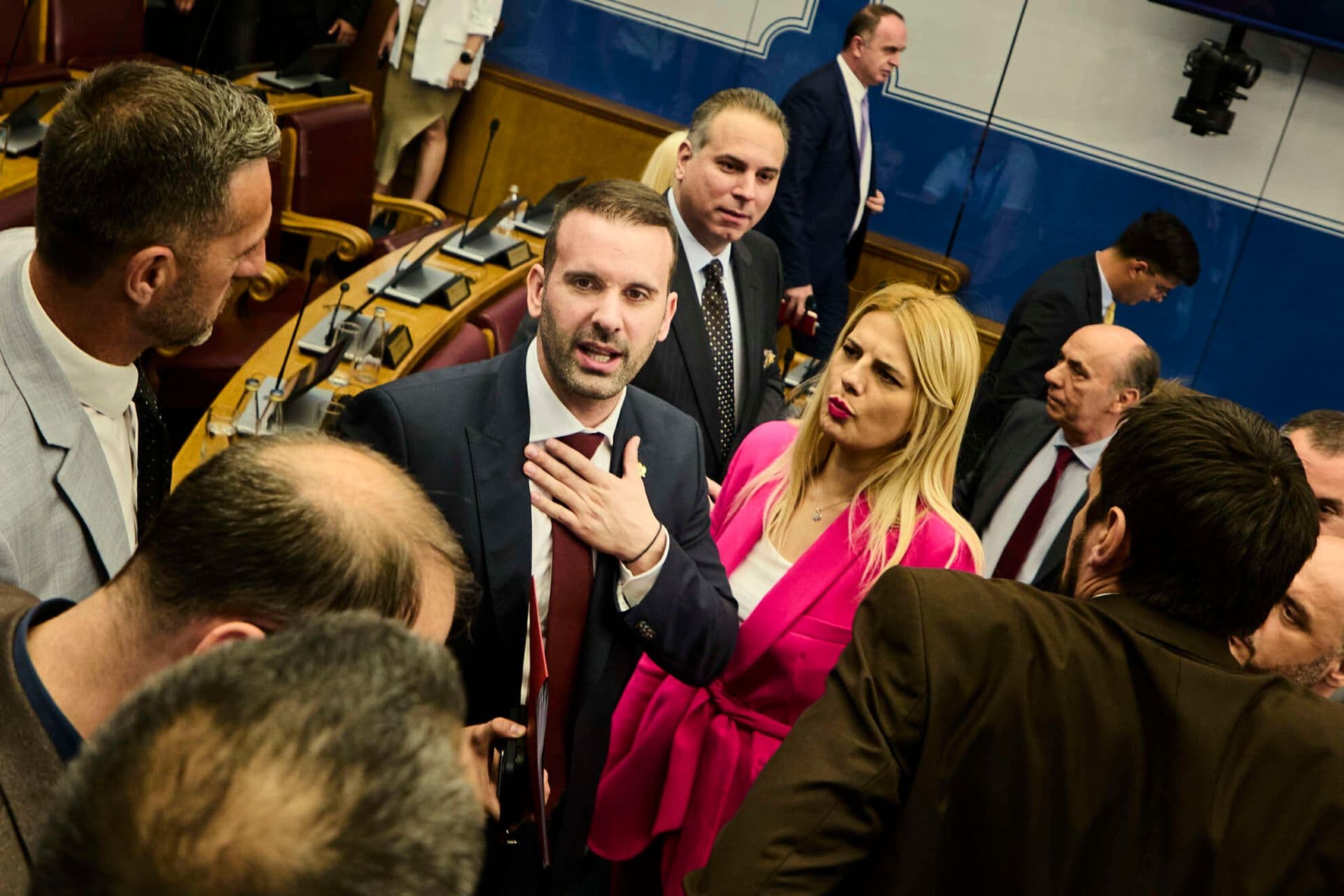
Earlier today, Spajić called for all coalition members to adopt his political platform, Barometer 26, aimed at fast-tracking EU accession. However, internal divisions have surfaced, notably as Mandić, the parliamentary leader, engages with influential European and US institutions, promoting the controversial restoration of a chapel that symbolizes Montenegro’s historical struggles.
In a recent meeting with the UK’s Lower House of Parliament, Mandić asserted that Montenegro’s future is grounded in Christian values, a statement that has sparked significant concern among observers. Many fear this shift toward religious identity undermines the secular foundation of the state, threatening to exacerbate existing tensions among the diverse population.
Political analyst Nikoleta Đukanović highlights that while Montenegro has not entirely lost its civic essence, the political scene is indeed trending towards more pronounced identity issues. She notes, “This creates the impression of distancing from secular and civic standards, which could lead to further divisions among citizens.”
The PES’s recent official membership in the Center-Right Democratic International, alongside parties like Croatia’s HDZ and Hungary’s Fidesz, suggests a move towards more conservative ideologies. This alignment could intensify populist rhetoric and historical revisionism, raising alarms about the future direction of Montenegrin politics.
Meanwhile, Mandić’s efforts to consolidate support within the ruling coalition, the “For the Future of Montenegro” (ZBCG), indicate a strategic push to unify smaller parties under his leadership. Political observers see this as a potential threat to the stability of the current government.
Neira Šabanović, a political researcher at the Free University of Brussels, emphasizes that PES’s alignment with the Center-Right Democratic International signifies an acceptance of values that may not resonate with all Montenegrin voters. She warns that the party’s potential shift towards conservatism could alienate centrist supporters while not diminishing its coalition potential.
This evolving political landscape has significant implications for the social fabric of Montenegro. As the government navigates the complexities of identity politics, the risk of deepening divides among its citizens looms large. The challenge lies in balancing national identity with the principles of democracy and unity.
What happens next? All eyes are on the PES as it navigates these new challenges and the upcoming elections, with the potential for further political realignment and social impact. The urgency of the situation demands close attention from both local and international observers.
Stay tuned for more developing updates as Montenegro’s political scene continues to unfold.