URGENT UPDATE: Motorists are being urged to cut back on non-essential journeys as oil prices surge dramatically, now exceeding $100 a barrel for the first time since 2022. This spike follows escalating conflict in the Middle East, prompting immediate concerns over fuel costs and supply disruptions.
Brent crude, the global benchmark for oil prices, soared past $115 earlier today before slightly retreating, yet remains significantly higher than pre-escalation levels. The rise in crude prices typically signals imminent increases in petrol and diesel costs, and motoring groups are warning that UK drivers could soon face soaring prices at the pump.
Simon Williams, head of policy at the RAC, stated, “Unleaded is almost certainly going to reach an average of 140p in the next week or so, while diesel looks highly likely to climb to at least 160p a litre.” According to RAC data, petrol prices have already surged by nearly 5p to 137.5p since the onset of US and Israeli strikes on Iran, while diesel has jumped almost 9p to approximately 151p per litre.
The AA advises motorists to avoid panic buying fuel and instead focus on reducing consumption. Edmund King, president of the AA, emphasized, “Drivers should consider cutting out some non-essential journeys and adjusting their driving style to conserve fuel.” With warmer weather approaching, these adjustments could help drivers make their fuel last longer.
As tensions rise, the Strait of Hormuz, a critical shipping route for approximately 20% of the world’s oil and gas exports, is becoming increasingly volatile. Analysts warn that the potential for significant supply disruptions is growing, with Jordan Rochester, executive director at Mizuho Bank, noting, “The market is waking up…this may be the biggest energy supply/logistics crisis we’ve ever seen in modern history.”
In response to the crisis, finance ministers from the G7 are discussing emergency measures to stabilize energy markets, including the potential release of up to 300 million barrels from emergency reserves, more than double the previous record set after Russia’s invasion of Ukraine in 2022. However, experts indicate that this amount would only cover less than three days of global oil consumption.
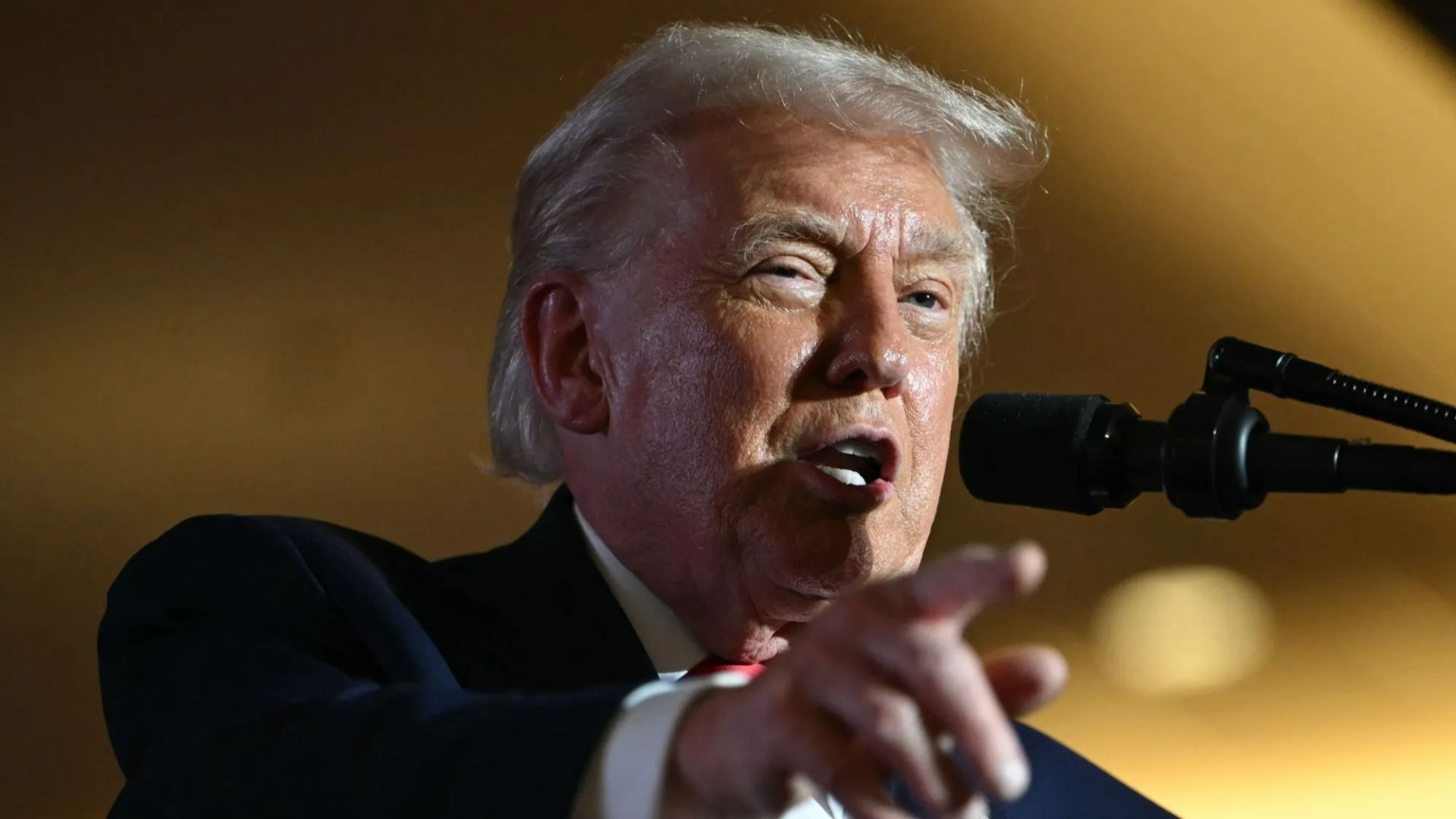
Political leaders are also addressing the broader economic impact of rising energy prices. UK Prime Minister Keir Starmer warned that prolonged conflict could significantly affect the UK economy. Meanwhile, US President Donald Trump downplayed the energy price surge as “a very small price to pay” for global peace.
Financial markets are already reacting, with European stock indices dropping sharply. The FTSE 100 fell by approximately 1.1%, and gas prices have surged, with UK wholesale gas prices spiking at the opening of trading. Investors anticipate that the Bank of England may raise interest rates later this year to combat inflation driven by these escalating energy costs, with a 75% chance of rates increasing from 3.75% to 4%.
This shift in monetary policy could lead to higher mortgage costs for homeowners, with industry experts predicting that as many as 1.8 million UK households will need to remortgage this year. David Hollingworth from L&C Mortgages warned of a potential “snowball effect” as lenders swiftly respond to market fluctuations.
With the situation evolving rapidly, motorists and consumers are advised to remain vigilant and proactive in managing fuel consumption and finances. The coming days are critical as officials and analysts continue to monitor the situation closely.