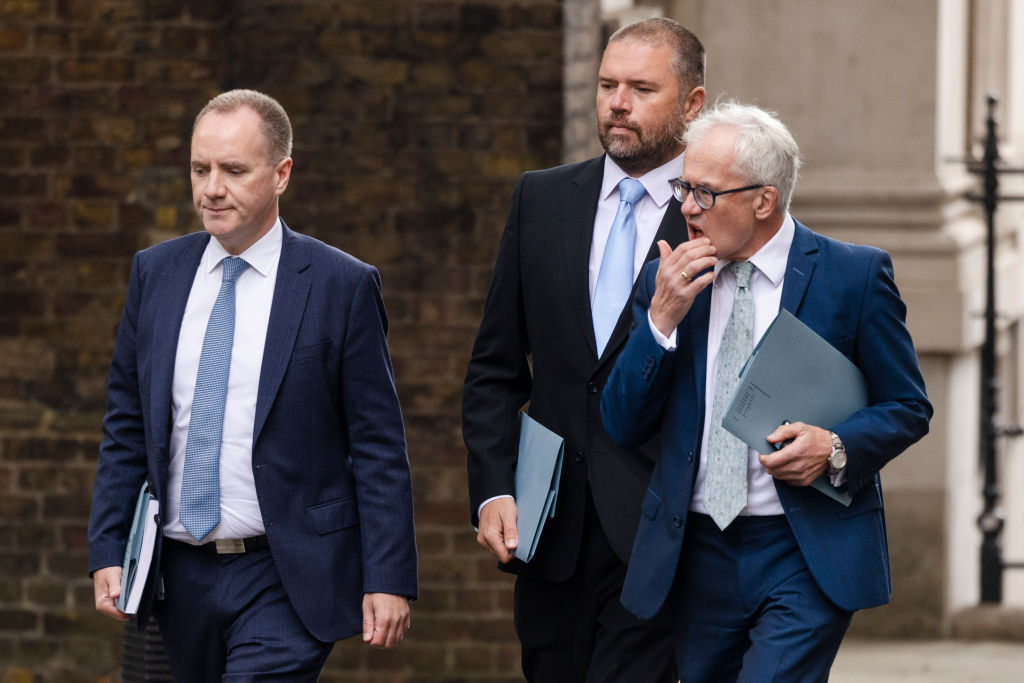
BREAKING: Richard Hughes has resigned as head of the Office for Budget Responsibility (OBR) following an urgent inquiry into the leak of financial forecasts ahead of Rachel Reeves’ budget announcement. The inquiry revealed the leak was “not a case of intentional leakage,” but rather an “inadvertent” error caused by IT weaknesses. This incident has been labeled the “worst failure” in the OBR’s 15-year history.
Hughes communicated his decision to step down in a letter to Reeves this afternoon, stating he wanted to allow the OBR to “quickly move on from this regrettable incident.” His resignation comes as he takes “full responsibility” for this glaring oversight, which may momentarily alleviate pressure on Reeves. However, the situation remains critical as the fallout continues to unfold.
Reeves is currently embroiled in a messy scandal regarding whether she misled the public in her budget pitch. The OBR’s recent actions have not assisted her case—when she cited a £16 billion productivity downgrade as justification for tax increases, she neglected to mention that the OBR had simultaneously upgraded her fiscal numbers by £32 billion. This omission has sparked front-page calls for her resignation, with respected political editor Chris Mason from the BBC stating, “we were misled.”
In an unusual move, the OBR published a detailed timeline outlining the forecasts provided to the Chancellor, highlighting the discrepancies in Reeves’ statements. This revelation marks a significant shift, as the OBR, once a reliable ally during Reeves’ legislative push for two forecasts a year, is now being publicly criticized by the Labour party.
The atmosphere in Westminster is charged, with Labour leaders like Keir Starmer and Reeves openly expressing frustrations over the OBR’s productivity downgrade. For months, there have been complaints regarding the OBR’s “scoring” methods, which Labour claims do not adequately recognize growth-boosting measures.
The controversy has escalated to a point where it overshadows the entire budget discussion, with one Labour MP remarking, “how much did we lie?” This ongoing debate threatens to further diminish the popularity of the Labour party, which is already facing significant challenges.
As the situation develops, the implications of this scandal extend beyond individual careers—it is poised to impact the Labour party’s standing with voters. The urgent question remains: how will Reeves and her team navigate this turbulent landscape, and what strategies will they employ to regain public trust?
As the OBR and the Labour party grapple with these pressing issues, all eyes will be on how they respond to this latest challenge. The political climate is volatile, and the consequences of these revelations could have lasting effects on the Labour party’s future.
Stay tuned for updates as this story continues to evolve.