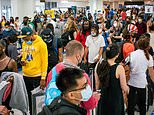
URGENT UPDATE: New facial recognition rules are now in effect at airports across the United States, raising significant privacy concerns among travelers. As of December 26, 2025, noncitizens entering and leaving the country will have their facial biometric data collected, according to the Department of Homeland Security (DHS).
The initiative aims to combat visa fraud, identify criminals, and prevent illegal reentries. Customs and Border Protection (CBP) will implement this policy at 238 airports, removing previous exemptions for diplomats and most Canadian visitors. This marks a major shift in US border security measures, designed to enhance the biometric entry/exit process.
Diane J. Sabatino, the acting executive assistant commissioner of CBP’s field operations office, stated,
“This final rule marks a major milestone towards our efforts to successfully implement the Biometric Entry/Exit mandate and strengthen the security of the United States.”
The new regulations come as millions of travelers are expected to flock to US airports during the holiday season, with the Transportation Security Administration (TSA) estimating over 44 million travelers between December 19 and January 4.
Under the new rules, visitors from abroad will undergo facial recognition checks upon arrival and departure. US citizens, while not mandated to participate, can opt in to the program. Those who choose not to participate can request a manual passport check from CBP officers.
Facial recognition technology is touted as the “best available method for biometric verification,” being both accurate and efficient. However, the collection of noncitizen biometric data raises serious privacy implications, with images stored in the DHS’s biometric identity management system for up to 75 years, compared to the 12 hours for US citizens.
The introduction of these facial recognition measures follows a long history of biometric data collection in the US, with initial implementations dating back to 2004. However, prior to today, comprehensive systems for exiting travelers were lacking. This change comes during a particularly busy travel season, with the TSA predicting 2.9 million travelers on December 28 alone.
As the government ramps up efforts to enhance security, they are also contemplating additional measures, including a proposal that would require tourists to provide a five-year record of their social media history, email addresses, and phone numbers to gain entry into the country.
Travelers are urged to stay informed about these developments, as the implications of this policy unfold and the debate around privacy and security intensifies. As the holiday travel rush approaches, the impact of these changes will be felt by millions crossing US borders.
For real-time updates and public commentary, follow the discussion on social media platforms.