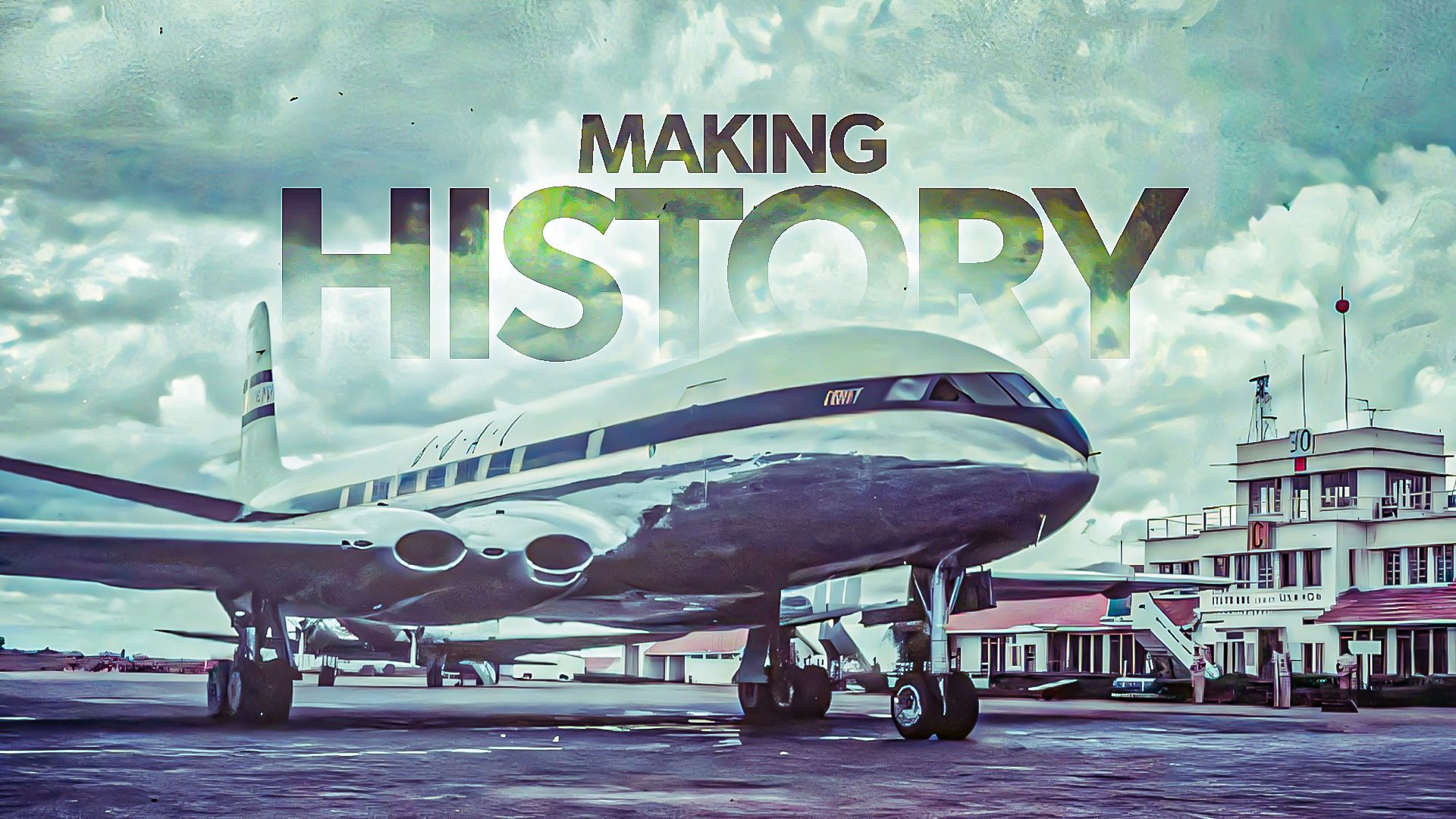
BREAKING NEWS: The revolutionary de Havilland Comet marked a monumental shift in commercial aviation when it first took to the skies on May 2, 1952, flying from London to Johannesburg. As the world’s first jet airliner, the Comet showcased unprecedented speeds, smoother flights, and a quieter cabin, fundamentally changing passenger expectations for air travel.
This groundbreaking aircraft enabled travelers to reach their destinations significantly faster, cutting the journey time from London to Johannesburg to just under 24 hours with multiple stops. In stark contrast, similar piston-engine flights took nearly 28 hours. A round-trip ticket cost £315, equivalent to $10,700 today, highlighting its premium positioning in the market.
Latest developments reveal that the Comet not only paved the way for modern air travel but also prompted critical safety reforms in the aviation industry. Initial success saw over 30,000 passengers flying with BOAC in its first year, showcasing its potential for long-haul international routes. The aircraft quickly became a symbol of innovation and speed in travel.
However, the early promise of the Comet was marred by a series of tragic accidents due to design flaws, leading to the grounding of the fleet. Investigators discovered that metal fatigue, exacerbated by pressurization cycles, caused structural failures, prompting a complete re-evaluation of safety protocols in aviation. These findings catalyzed widespread reforms in aircraft design, ultimately enhancing safety standards across the industry.
The introduction of the redesigned Comet 4 series aimed to restore confidence but struggled against the rising popularity of the Boeing 707, which offered greater capacity and range. Despite the Comet’s legacy being overshadowed by newer models, its impact on the aviation landscape is undeniable.
The Comet’s ability to reduce journey times revolutionized global mobility, changing how airlines scheduled flights and enhancing passenger comfort. With its quieter engines and spacious cabin, the Comet set new benchmarks for what travelers could expect from air travel.
As the aviation industry continues to evolve, the lessons learned from the Comet’s journey remain relevant. The innovations it introduced laid the foundation for the modern jetliners that dominate today’s skies, influencing design and safety practices that prioritize passenger experience.
Stay tuned for further updates as we continue to explore the lasting effects of the de Havilland Comet on commercial aviation and how it shaped the future of air travel.