URGENT UPDATE: An Israeli commentator has raised alarms that the escalating US-Israeli conflict with Iran could dramatically alter the political landscape of the Middle East, potentially dismantling the century-old Sykes-Picot order established after World War I. In an article for the Israeli publication Yedioth Ahronot, Meir Swissa argues that this military confrontation may become a pivotal turning point for the region’s geopolitical structure.
Swissa describes the situation as a “paradox,” asserting that Israel has assumed a role that aligns with Sunni Arab interests against Iran’s influence. “Israel has effectively become the contractor for the Sunni world,” he states, emphasizing that Arab states hesitant to confront the Iranian threat could benefit from its weakening. However, he warns that this shift may challenge the current framework of nation-states, empowering tribal and clan-based governance.
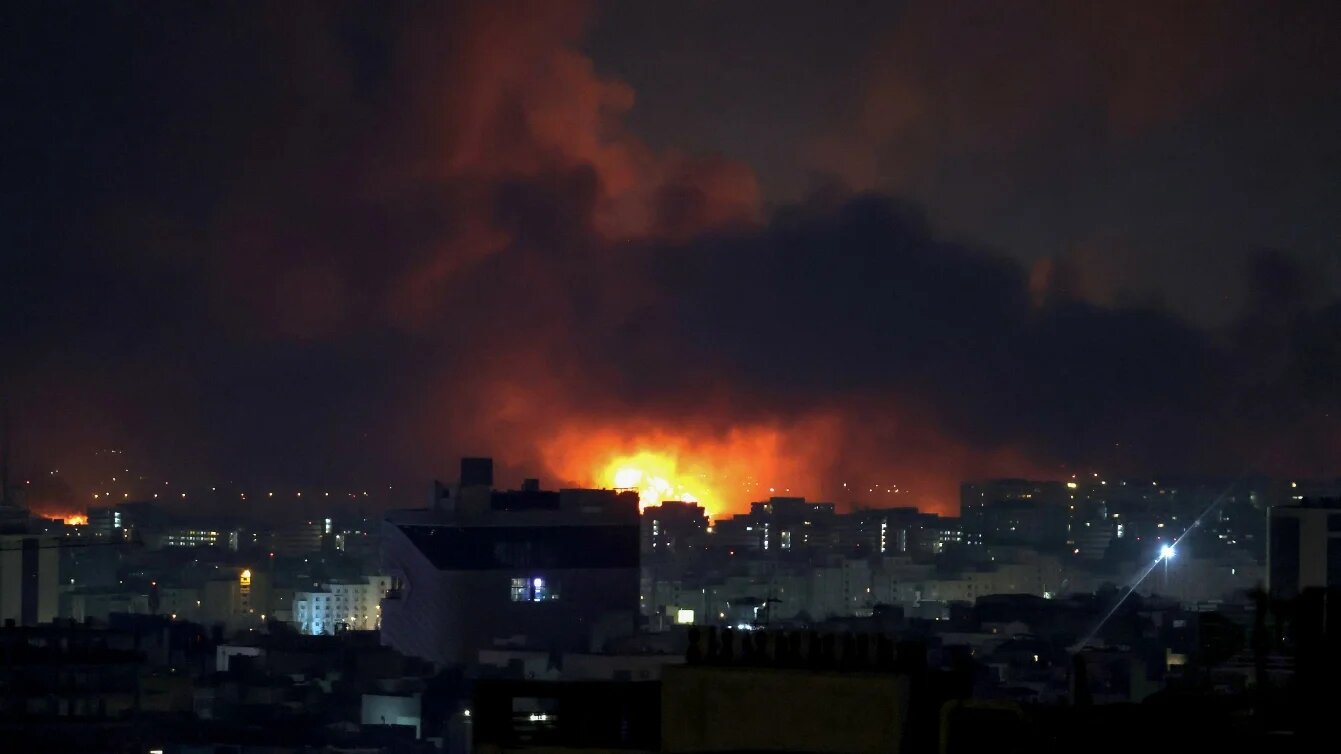
The commentary follows a sharp escalation in hostilities, with reports confirming that the US and Israel jointly launched attacks against Iran, resulting in the death of Ayatollah Ali Khamenei and other senior leaders. In response, NATO has elevated its ballistic missile defense posture, indicating a significant international concern over the unfolding conflict.
Swissa elaborates on the implications of Iran’s weakened regional influence, stating, “We are watching, in real time, the collapse of the Sykes-Picot agreements.” He warns that this could lead to a return to a fragmented Middle Eastern structure dominated by tribes and local governance rather than modern nation-states. The Iranian power base, heavily reliant on allied factions, is at risk. “Without the boot of the Revolutionary Guard in Beirut, Damascus, and Sanaa, the Shiite axis reverts to its historical position — a persecuted and weakened minority in a hostile Sunni sea,” he claims.
In a shocking revelation, US special envoy Tom Barrack stated in August 2025 that the US has no intention of adhering to the Sykes-Picot borders and lacks the desire to dominate Lebanon and Syria. His comments, made during an interview with online personality Mario Nawfal, underline the shifting dynamics in American diplomacy in the region. Barrack also hinted at deteriorating relations between Israel and Arab states, stating they are “no longer talking to each other or cooperating.”
The historical context of the Sykes-Picot agreement, which divided much of the Ottoman Empire’s Arab territories, is crucial to understanding the current crisis. It has long been criticized for neglecting the region’s complex ethnic and tribal realities, contributing to ongoing conflicts.
The humanitarian toll of the current violence is staggering, with reports indicating that around 500,000 people have been displaced in Lebanon alone due to the recent bombings. Investigations suggest that the US may have been involved in a strike on an Iranian school, further complicating the already dire humanitarian situation.
As tensions continue to rise, observers are calling for urgent international dialogue to prevent further escalation. The potential for a “historic peace conference” looms, as Swissa warns that a regime change in Tehran could lead to a new geopolitical order, one that calls into question the future of the Sykes-Picot framework.
This developing situation is of paramount importance as it not only reshapes alliances but also poses significant risks for millions in the region. Stay tuned for updates on this rapidly evolving story.