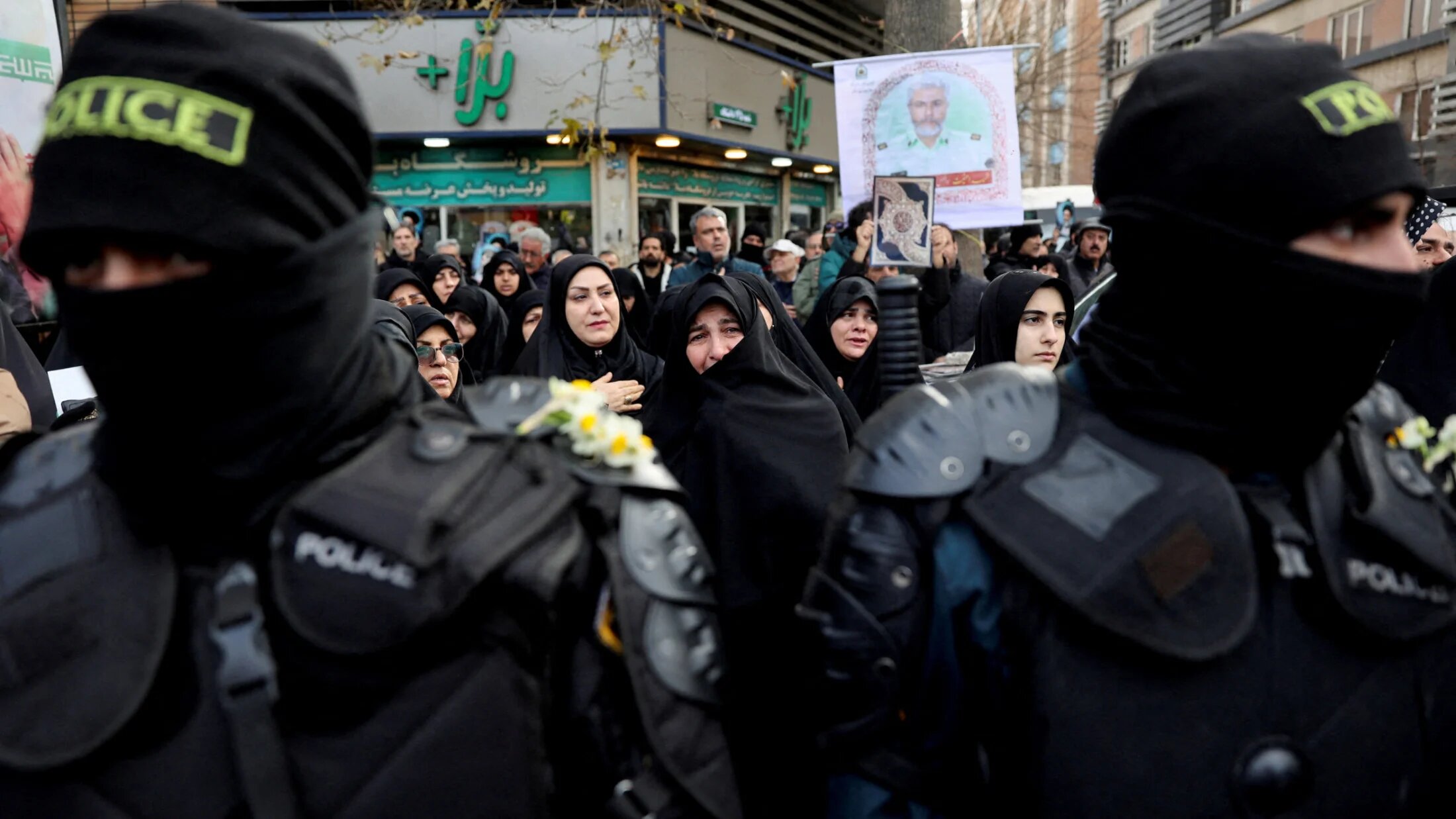
UPDATE: Iran has confirmed a staggering 3,117 deaths resulting from the nationwide anti-government protests that ignited in late December 2022. This announcement, made by Iran’s Martyrs Foundation, describes 2,427 of those killed as “martyrs”, identifying them as security forces or innocent bystanders, while the remainder were protesters. Rights groups warn that the actual death toll could be significantly higher.
Major human rights organizations are sounding the alarm over the violence. The US-based Human Rights Activists News Agency (Hrana) reported just yesterday that the death toll may be as high as 4,519, including 4,251 protesters, 197 security personnel, and 35 children. The organization is currently investigating an additional 9,049 deaths tied to these protests, amid reports of brutal crackdowns by security forces.
According to Amiry-Moghaddam, co-founder of the Oslo-based Iran Human Rights NGO, there are chilling accounts of police targeting the wounded, stating, “The wounded people are being shot in the head.” These alarming claims have escalated concerns about the government’s response to the ongoing unrest.
The protests erupted against the backdrop of worsening economic conditions and the Iranian rial’s plunge to record lows. Iranian leaders have dismissed allegations of excessive force, attributing the chaos to foreign interference, specifically blaming the United States and Israel for inciting what they term “riots.”
In a related statement, Abdolrahim Mousavi, Chief of Staff of Iran’s armed forces, accused these nations of deploying mercenaries resembling the Islamic State to carry out assaults on civilians and security personnel. His comments come as tensions continue to rise, particularly following remarks from Israeli President Isaac Herzog, who called for regime change in Iran during a speech at the World Economic Forum in Davos.
As protests continue to unfold, General Mohammad Pakpour of the Islamic Revolutionary Guard Corps issued a stark warning to both Israel and the US, indicating their forces have their “finger on the trigger.” The situation remains volatile, with Iranian leaders maintaining a hardline stance against foreign involvement.
The international community is closely monitoring developments as calls for accountability and justice grow louder. The implications of these protests extend beyond Iran’s borders, raising urgent questions about regional stability and human rights.
What Happens Next: As investigations into the protests continue, activists and human rights organizations urge greater transparency and accountability from Iranian authorities. Protests are expected to persist, and global attention remains fixed on Iran’s response to these ongoing demonstrations.