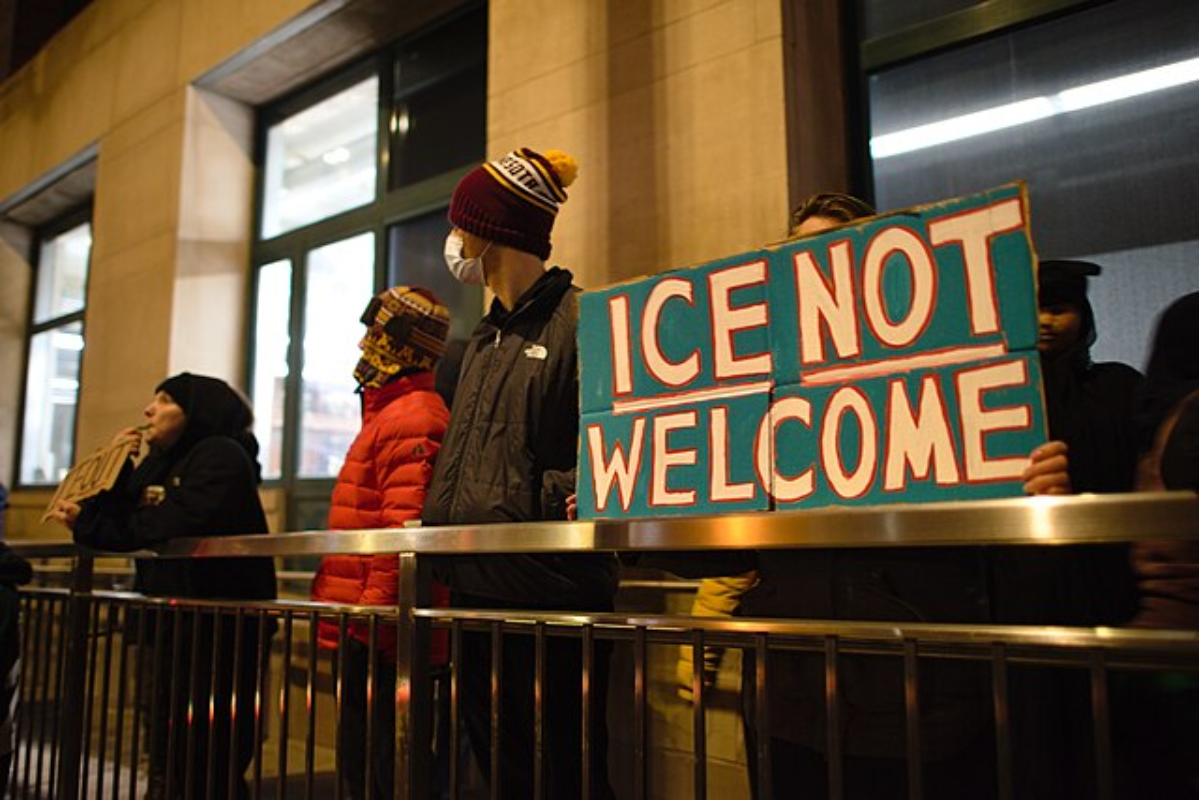
Federal immigration enforcement activities by the U.S. Immigration and Customs Enforcement (ICE) have intensified in Minnesota, drawing significant scrutiny. According to Timothy Snyder, a prominent historian from Yale University, this focus is a strategic move by the Trump administration to undermine the state’s effective welfare system, which contradicts the narrative that social programs are failing.
Critique of Federal Immigration Enforcement
In a Facebook post dated January 22, 2023, Snyder expressed his views, stating that Minnesota exemplifies a “state that works.” He argued that the federal government, through operations like Operation Metro Surge, aims to foster a perception of chaos in Minnesota. Snyder’s assertions have gained traction on social media, highlighting the ongoing tensions surrounding immigration enforcement in the region.
Approximately 3,000 federal immigration agents have been deployed in Minnesota since December 2022. This operation has reportedly led to three shootings by federal agents within a short span, including the fatal incidents involving Renee Good on January 7 and Alex Pretti on January 24, 2023. Such events have intensified public debate over the justification and impact of federal actions.
Data from the Brookings Institution supports Snyder’s characterization of Minnesota’s welfare system. In 2019, a typical single-parent family in the state was eligible for over $7,500 in combined cash and food assistance, ranking Minnesota among the most generous states in the U.S.
Challenges to Federal Narratives
Critics of the Trump administration cite the Feeding Our Future scandal, where 78 individuals were charged with misappropriating approximately $250 million from the Federal Child Nutrition Programme during the COVID-19 pandemic. The administration has leveraged this case to argue that Minnesota’s welfare system is rife with fraud and chaos.
Yet, Snyder counters that the existence of successful welfare programs makes them targets for criticism. In his earlier essay titled “Maduro in Minneapolis,” he draws parallels between the tactics of the Trump administration and those of authoritarian regimes. He remarks, “The worst thing that Maduro did is just what Trump is beginning to do: killing civilians and blaming them for their own deaths.”
Snyder’s analysis provides a critical lens for examining current events in Minnesota. His work on historical authoritarianism emphasizes the importance of recognizing patterns that could lead to democratic erosion. He warns that when a state’s effective governance challenges federal narratives, it may lead to broader attacks on similar welfare programs across the country.
As federal operations continue, Minnesota stands at a crossroads of competing visions for American governance. One perspective prioritizes robust social support systems, while the other emphasizes stringent enforcement and reduced governmental roles. The ongoing developments in Minnesota serve as a significant indicator of how these competing ideologies will play out on a national scale.