BREAKING: In a powerful testament to resilience amidst devastation, university students from Gaza have just released an anthology reflecting their harrowing experiences during the ongoing conflict. The book, co-authored by over 60 students, showcases poems and reflections from those who have endured unimaginable hardships as Israel’s military campaign continues to ravage their homeland.
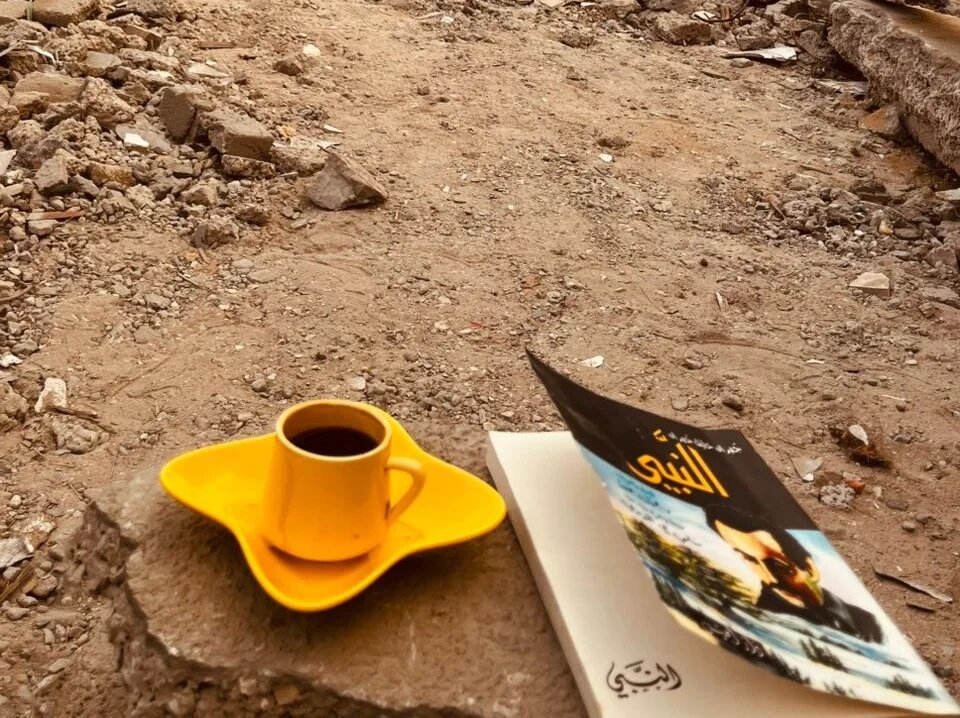
During a recent Zoom call, Mariam Marwan Malaka, a university student, shared a chilling glimpse of her reality: “Yes, I’m sitting at the rubble of my home. There is no house.” Despite the destruction surrounding them, students gathered to discuss their new book, which has been published in English by Daraja Press, a Canadian publisher.
The anthology was born from an international solidarity initiative led by Dr. Zahid Pranjol, a professor at the University of Sussex. He began coordinating educational support for Gaza’s students in April 2024, recognizing the urgent need for academic resources as the war obliterated their educational infrastructure. Since October 2023, Israel has systematically targeted universities and schools, leading to the deaths of thousands of students and many esteemed educators.
As the conflict escalated, students like Obay Jouda found themselves returning from libraries to discuss the first printed copies of the anthology. The book serves as a poignant record of their experiences, capturing the raw emotions of survival amid chaos. “We were forced to pursue our education under the harshest conditions imaginable,” said Rawan Marwan Omar Matar, another student involved in the project. “It’s based on what we have lived through.”
The initiative gained momentum after Pranjol responded to a call for help from Gaza’s academics, providing vital educational materials and teaching online. The program has since expanded to include 70 volunteer teachers and over 1,000 students, many of whom are displaced or living in partially destroyed homes. Classes, conducted via WhatsApp and Zoom, aim to offer not just language skills, but also emotional support and solidarity.
Pranjol emphasized the therapeutic aspect of the program, stating, “Fifty percent you learn English, but the other 50 percent is that you are in touch with someone outside of Gaza who really cares for you.” This connection has proven crucial as students began sharing their own writings, transforming their pain into art and testimony.
The anthology, filled with deeply personal accounts, is described by students as a “message of survival and steadfastness.” Hada Mohammed Homaid, a contributor, highlighted the weight of these words, urging readers to “look at these words; there is a whole society still pleading beneath every word.”
As students navigate their shattered reality—where basic needs like internet access are luxuries—they continue to write, finding strength in documenting their struggles. Rawan noted the challenges of studying during the war, stating, “When internet access became available, students began going there and trying to study, despite the ongoing danger.”
The urgency of this project cannot be overstated. With translations into French, Italian, German, Spanish, Portuguese, and Arabic underway, the anthology aims to reach a global audience, sharing the voices of a community under siege.
As the war continues, the students’ commitment to their education and expression remains unwavering. They are not merely sharing personal stories; they are amplifying the collective cries of their people, emphasizing that their words carry the weight of lived experiences. “Surviving this deadly genocide means that there are many things I want to do,” shared one student, underscoring the indomitable spirit of Gaza’s youth.
This anthology is more than just a book; it is a powerful reminder of the resilience of the human spirit in the face of overwhelming adversity. As readers engage with these stories, they are invited to reflect on the realities of those living through conflict and the profound impact that solidarity and support can have in times of crisis.
For those interested in supporting Gaza’s students, the anthology stands as a testament to their strength and the importance of education in the darkest of times.