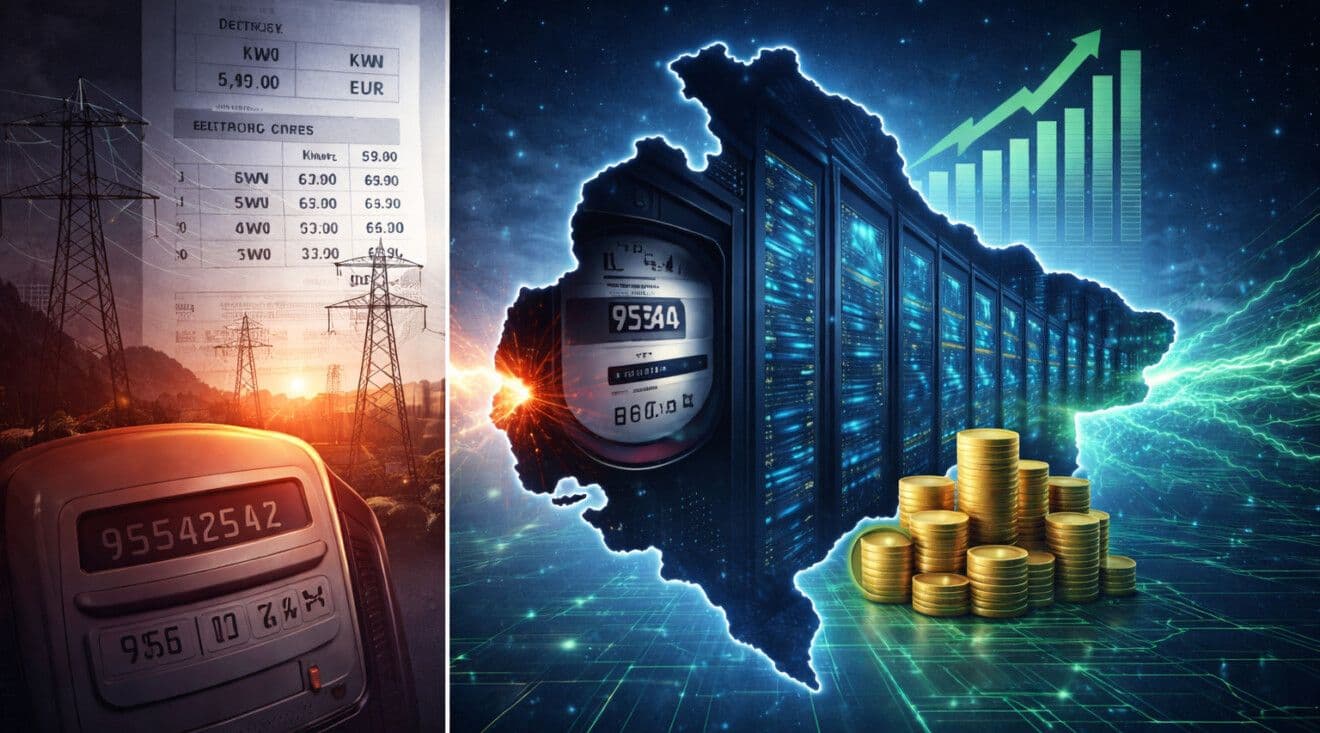
URGENT UPDATE: A critical shift is underway in the energy sector as experts warn that selling electricity as a raw commodity is no longer viable. As European energy prices fluctuate dramatically, the focus must pivot to harnessing electricity for high-value digital services, or risk falling behind in the global economy.
Recent analysis reveals that on the European energy market, particularly the Nord Pool, electricity prices can plummet to as low as €0 during periods of high supply and low demand, while surging to over €250 per megawatt-hour when consumption peaks. This stark volatility highlights a pressing issue: nations that export raw electricity are missing out on the far greater value of digital transformation.
Data centers, often seen as distant technical infrastructures, play a crucial role in this transition. They underpin essential digital services used daily by governments, banks, and businesses. The energy consumed in these facilities is not merely a cost; it becomes the foundation for services that generate significantly higher market value.
The comparison is clear: exporting electricity is akin to selling raw timber, while utilizing that energy in data centers is like crafting furniture. The latter offers far superior returns. While energy may fetch 9 cents per kilowatt-hour on the open market, data centers charge rates between 25 and 30 cents for the same energy, factoring in additional services like security, reliability, and infrastructure.
The economic implications are staggering. Nations that cling to exporting raw energy are relegating themselves to a commodity market, while those investing in digital infrastructure can create a stable revenue stream and reduce risks for energy producers. With predictable consumption patterns, data centers represent a vital backbone for energy systems, offering a steady demand day and night.
As digital services become increasingly vital, the need for robust data center infrastructure is paramount. Current discussions on public sector digitalization highlight the necessity for reliable systems, as slow and unreliable services hinder progress. A secure data center can ensure that public services are efficient and accessible, reducing the need for in-person visits and streamlining operations.
This shift also brings significant employment opportunities, fostering skilled jobs in engineering, technology, and cybersecurity. The emergence of local data centers leads to the development of new competencies and support services around them, creating a ripple effect in the economy.
Furthermore, the rise of digital currency mining underscores the importance of controlled energy consumption. By situating these energy-intensive operations within regulated data centers, countries can better monitor and manage energy use, integrating them into the formal market rather than allowing them to operate under the radar.
As nations grapple with the future of their energy landscapes, the question is clear: How can we leverage our energy resources to build a knowledge-based economy? The difference between a country that merely exports kilowatts and one that exports digital services lies in the strategic decisions made today.
Next Steps: As this urgent conversation unfolds, industry leaders and policymakers must collaborate to invest in digital infrastructure that maximizes the value of energy resources. The time to act is NOW. The future of energy and economic stability depends on these crucial decisions.