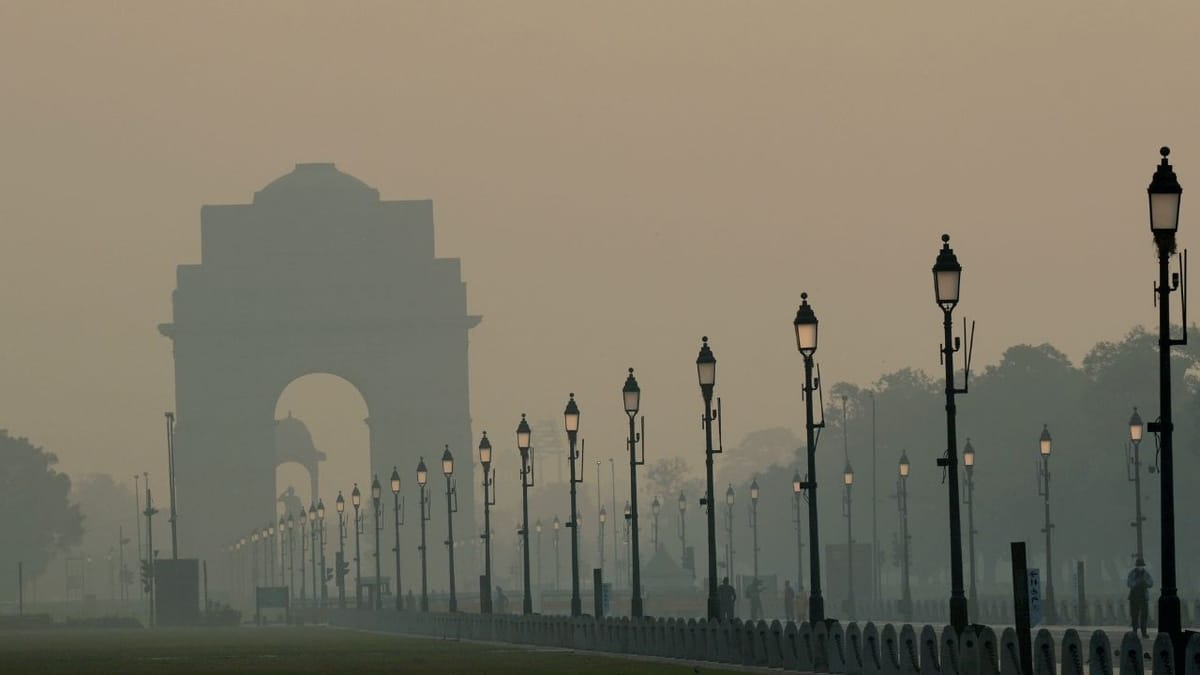
UPDATE: Delhi just recorded its coldest Republic Day in five years, with temperatures plummeting to a chilling 3.6 degrees Celsius. As the capital grapples with this severe cold, air quality has also taken a significant hit, with the Air Quality Index (AQI) falling back into the “poor” category, registering between 241 and 281.
Residents of the national capital faced an uncomfortable start to the day as temperatures dipped sharply, marking a stark contrast to the recent brief improvement in air quality. Following a period of moderate air quality, Delhi’s smog returned, compounding the adverse effects of the biting cold.
According to the India Meteorological Department (IMD), a western disturbance is expected to sweep through parts of Delhi-NCR, bringing light showers and thunderstorms on January 31, 2023. While this weather pattern may provide temporary relief from the cold, it will do little to improve the already poor pollution levels.
“Delhi is experiencing a significant cold wave, and the anticipated western disturbance will bring rain and thunderstorms, but the air quality is still a major concern,” said an IMD official.
The last time temperatures dropped this low was on January 26, 2021, when the minimum temperature reached 2.1 degrees Celsius. As temperatures are expected to slightly rise during the day, residents should prepare for a cold and damp night ahead.
In light of the worsening air quality, the IMD has issued a yellow alert for rain and thunderstorms in the region. This alert indicates that residents should brace for potential hazards, including gusty winds and possible hailstorms.
Despite earlier rain helping to temporarily clear the air, stagnant weather has allowed pollutants to accumulate once again. The air quality’s rapid decline underscores the ongoing environmental challenges faced by the city.
Delhiites are advised to take precautions as the cold and damp weather persists, particularly in the early mornings and late nights. As rainfall is forecasted, the air quality may remain poor even after the precipitation.
Stay tuned for more updates as developments unfold, and ensure to protect your health during these challenging weather conditions.