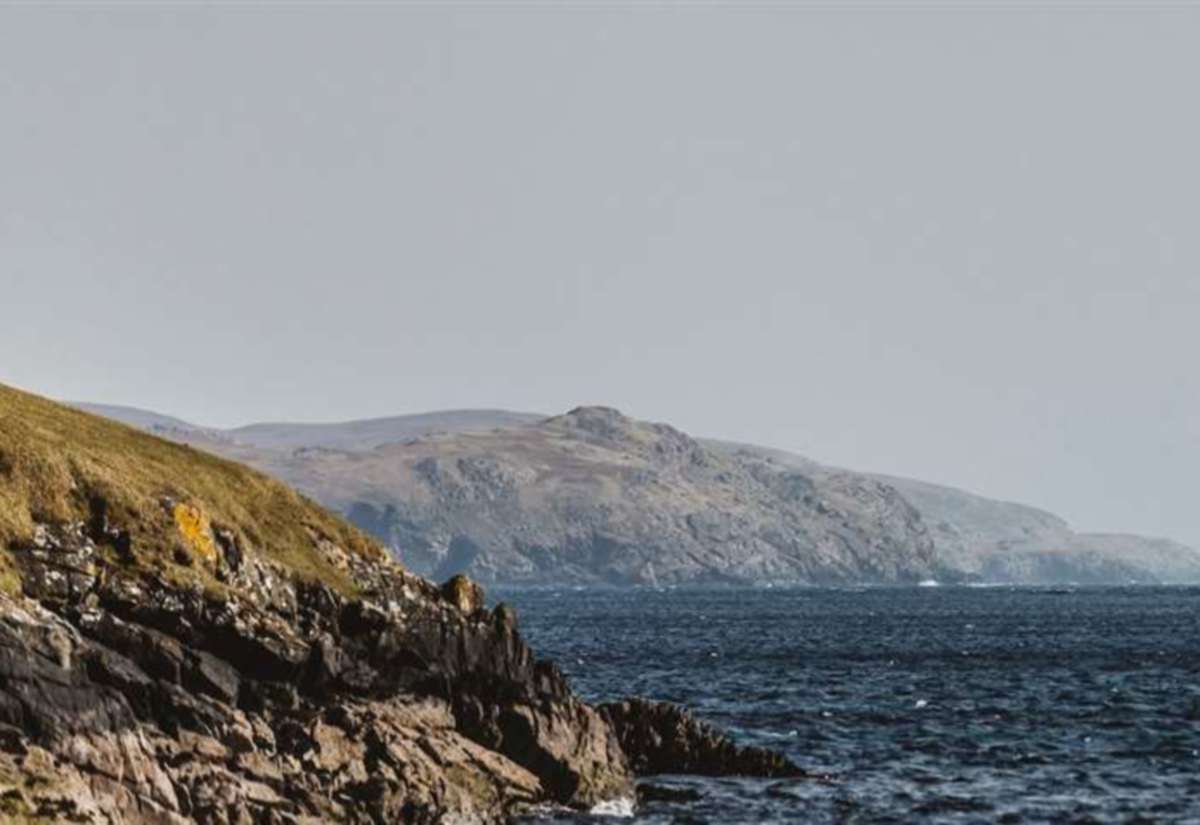
BREAKING: The Shetland Islands Council has just approved the development of Britain’s largest salmon farm in Yell Sound, despite fierce opposition from local fishing representatives and environmental groups. The decision was made on July 26, 2023, greenlighting a significant £8 million project by Scottish Sea Farms (SSF) that will feature 12 pens capable of housing up to 6,000 tonnes of salmon at any given time.
This urgent development comes as SSF aims to streamline its operations, consolidating smaller farms into larger facilities. The approval process has been contentious, with vocal objections from the Shetland Shellfish Management Organisation, which argues that the move could undermine local fishing businesses in Yell Sound. They condemned the council’s decision as “morally wrong,” stating that it allows a large corporation to seize territory that should be accessible to local fishermen.
Environmental concerns were also raised by NatureScot, particularly regarding the potential impact on the red-throated diver population. However, the organization lifted its objection after SSF provided additional information addressing these worries.
Nick Underdown, Scotland director of the anti-salmon farming group WildFish, expressed deep disappointment over the council’s decision. He warned that the approval signifies an “unprecedented expansion of industrial salmon farming” in an area already saturated with large sites. Underdown stated, “The proposed 6,000-tonne biomass raises serious concerns about cumulative impacts on wild sea trout, particularly from sea lice.” WildFish plans to scrutinize the council’s decision closely and consider its next steps.
The council’s marine planning officer, John Rosie, confirmed the application was approved under specific conditions. He stated that the location, scale, and nature of the farm were deemed “acceptable” and would not significantly harm the natural and historic environment or visual appeal of the surrounding area. Rosie indicated that pollution levels and disease transfer risks are projected to remain within “acceptable limits,” subject to oversight by the Scottish Environment Protection Agency and the Scottish Government Fish Health Inspectorate.
The economic implications of this project are substantial, as the salmon farming sector contributes approximately £90 million to the Shetland economy. Supporters argue that the new facility will improve growing conditions for salmon and bolster the local economy.
As this story develops, stakeholders are closely monitoring the situation. The community remains divided, with strong sentiments from both proponents and opponents of the project. The impact of this decision will likely resonate throughout the region and beyond, raising critical questions about the future of salmon farming in Scotland.
Residents and concerned parties will be watching closely to see how this decision unfolds and what regulatory measures will be put in place to ensure environmental protections. The approval marks a significant turning point in the ongoing debate over industrial aquaculture in sensitive marine environments.