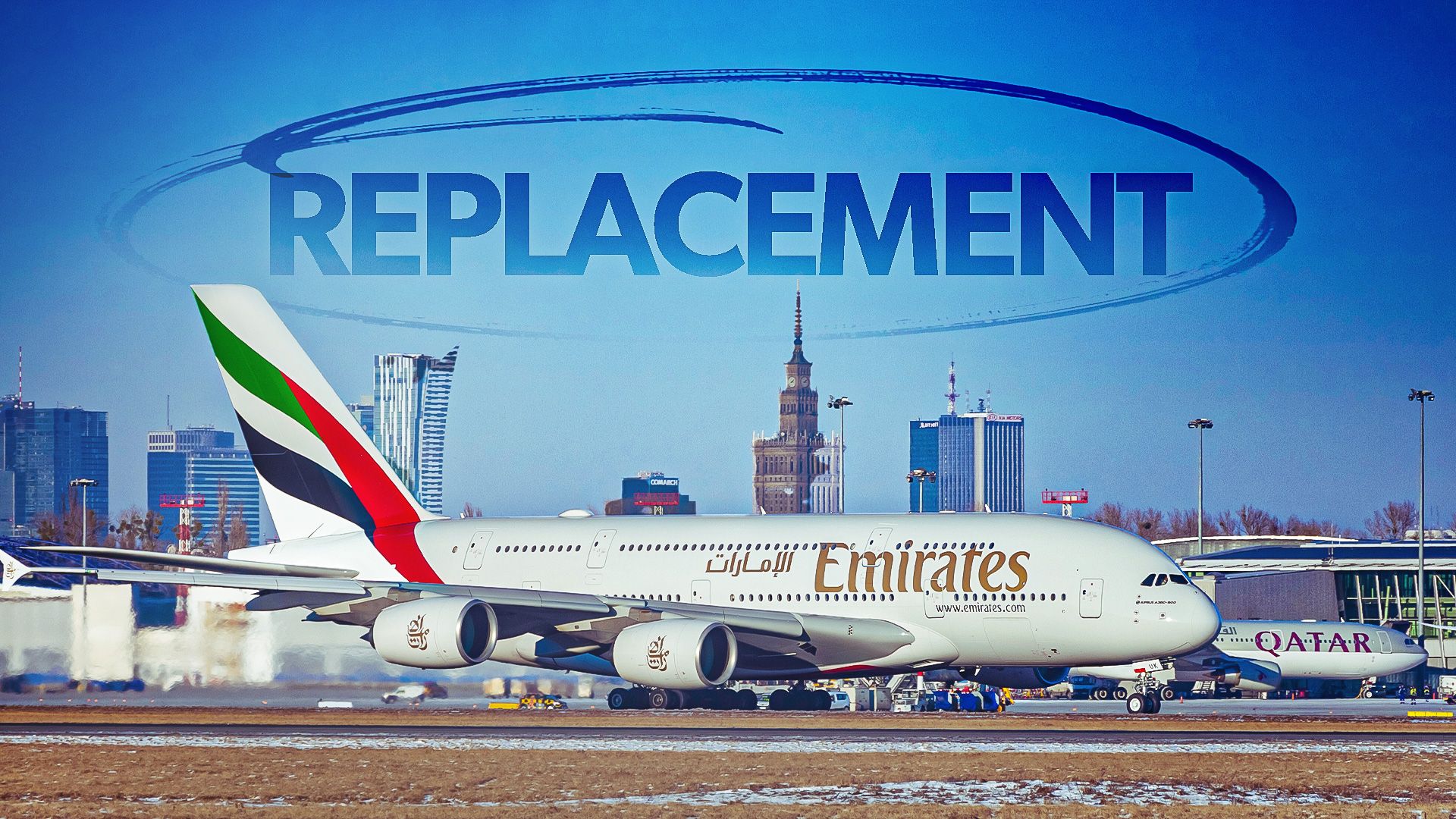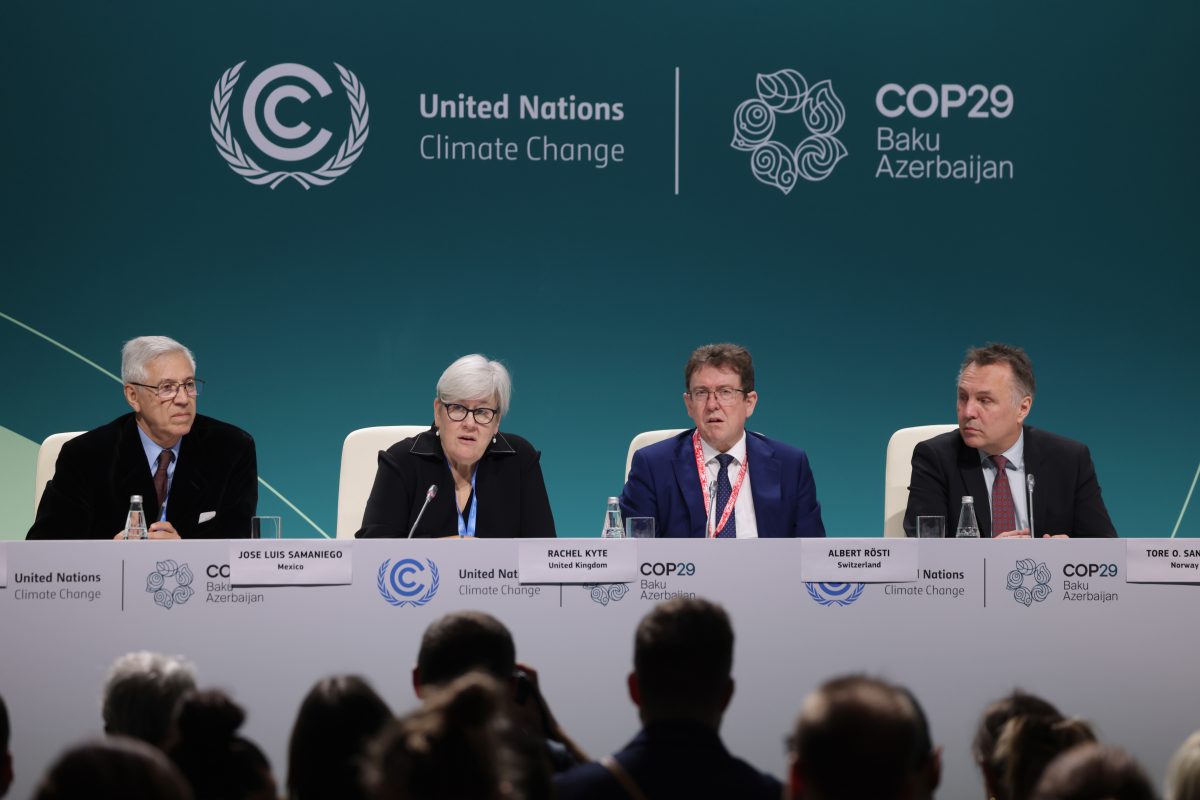
URGENT UPDATE: The UK’s climate envoy, Rachel Kyte, has accumulated over 150,000 air miles since her appointment, spending a staggering £104,804.65 in taxpayer money on flights for international conferences, including COP 30. This amount equates to more than six circumferences of the Earth, raising significant concerns about government spending and environmental accountability.
Kyte, who reports directly to Energy Secretary Ed Miliband and Foreign Secretary Yvette Cooper, has faced scrutiny for her travel expenses. According to an LBC News report, around 80 percent of the total costs stemmed from air travel, with the majority of her flights taken in business class. A freedom of information request revealed that she took 28 business class flights, alongside 21 economy flights, of which one was upgraded to premium economy.
The most expensive single journey was a £6,136 one-way ticket from Boston to Hainan, China in October 2024, aimed at engaging with the Friends of the Paris Agreement group. Additionally, a return trip to Dar es Salaam, Tanzania in February 2024 cost taxpayers £6,040.26.
A government spokesperson defended Kyte’s role, stating, “The special representative for climate was appointed to support ministers in driving action on the government’s priorities on international climate action and energy policy.” The spokesperson emphasized her diplomatic efforts to unlock private finance for climate initiatives, stating these actions are vital for the UK’s ambition to become a clean energy superpower.
However, the expenses have drawn criticism. Shadow Energy Secretary Claire Coutinho labeled it “yet more Labour hypocrisy,” accusing the party of failing to uphold the very standards it preaches regarding climate action.
Kyte’s appointment in 2024 was heralded as a step towards reestablishing the UK’s leadership in global climate discussions. She previously stated, “This government is committed to reconnecting the UK to the world with climate action as a priority.”
As this story develops, the public is left questioning the balance between necessary climate diplomacy and fiscal responsibility. What will be the long-term impact of these high travel costs on public perception of government initiatives? Stay tuned for more updates on this pressing issue.