URGENT UPDATE: Aviation enthusiasts and industry professionals are buzzing as new insights reveal critical differences between Boeing and Airbus cockpit designs that impact pilot interactions. As of October 2023, the debate intensifies over which aircraft manufacturer better empowers pilots in the cockpit.
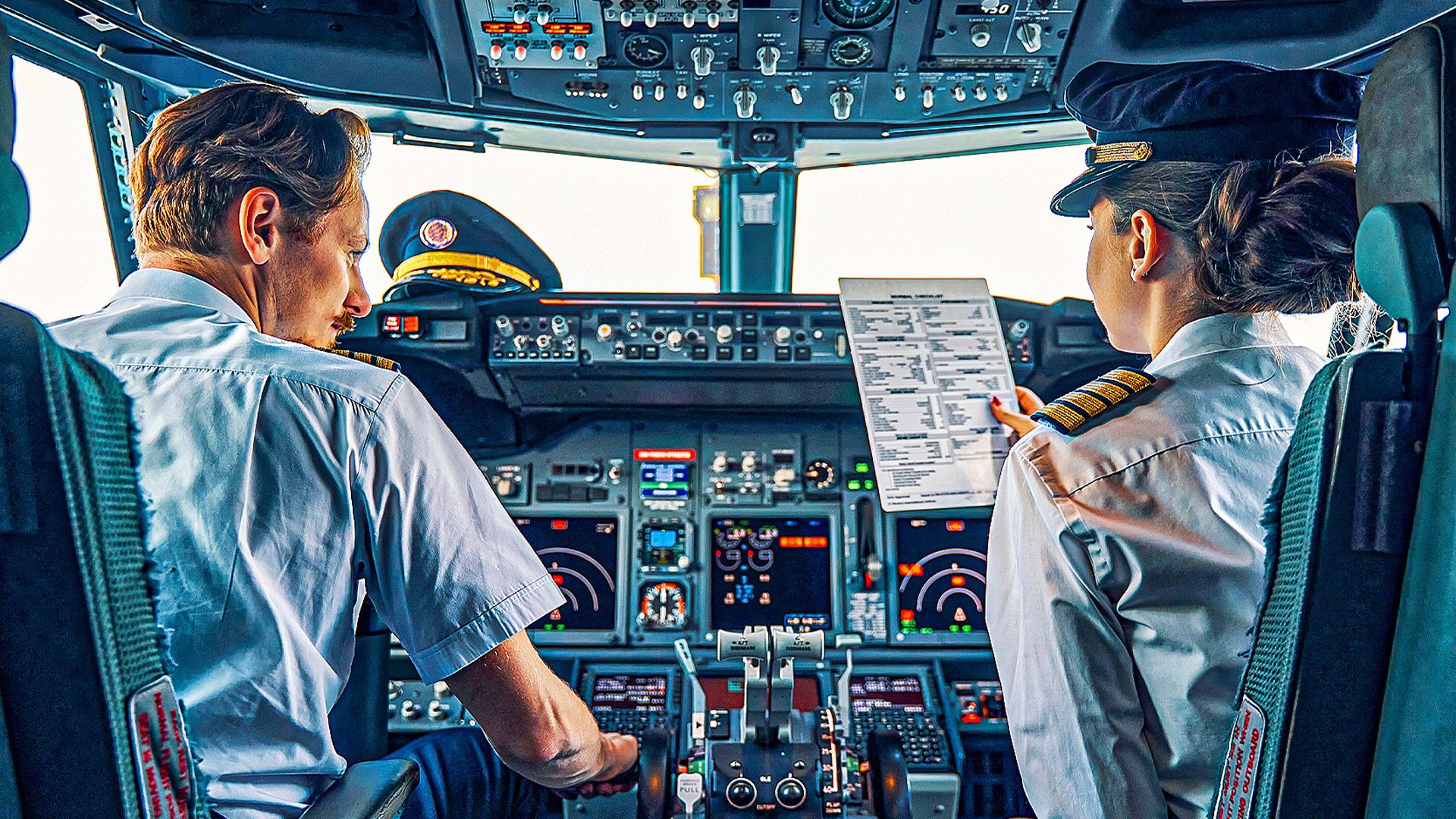
Stepping into the cockpit of a Boeing 737 or Boeing 777, pilots engage with a traditional control column and yoke, surrounded by an array of switches and dials. This setup fosters a tactile connection, reinforcing the pilot’s direct link to the aircraft’s controls. In stark contrast, the Airbus A320 and A350 offer a more modern, open environment with a sidestick control and fixed thrust levers, resembling computer interfaces more than mechanical devices.
Key to understanding these differences is how each manufacturer addresses pilot authority versus automation. Boeing emphasizes pilot control, placing the responsibility for safety squarely on the pilot. The latest models, such as the 777 and 787, incorporate fly-by-wire technology but allow pilots to override automation when necessary, reinforcing the notion that human intuition can be crucial in critical situations.
Conversely, Airbus prioritizes safety through automation, implementing systems that prevent pilots from risking control loss. The A320, launched in the late 1980s, features flight computers that prevent stalling and limit excessive banking, keeping pilots within safe operational boundaries. This design philosophy suggests that while pilots can fly freely, they are shielded from making dangerous maneuvers.
The cockpit interface is another stark contrast. Boeing’s traditional yoke design allows both pilots to feel each other’s inputs, facilitating silent communication during flight. In contrast, Airbus employs separate sidesticks, leading to potential confusion when both pilots input commands simultaneously. This design choice opens up cockpit space, allowing for a pull-out tray table, enhancing comfort during long flights.
In terms of thrust management, Boeing uses an autothrottle system that adjusts thrust levers dynamically, providing pilots with immediate tactile feedback. Airbus, however, features fixed thrust levers post-takeoff, requiring pilots to monitor engine performance through visual displays rather than physical sensations, a significant adjustment for those transitioning from Boeing to Airbus.
The operational philosophy extends to system alerts as well. Boeing’s Engine Indicating and Crew Alerting System (EICAS) informs pilots of faults, requiring them to identify and manage the situation independently. In contrast, Airbus’s Electronic Centralized Aircraft Monitoring (ECAM) not only indicates problems but also guides pilots with step-by-step instructions, reducing the likelihood of oversight during emergencies.
Pilot ergonomics also diverge between the two manufacturers. Older Boeing aircraft typically feature manual seat adjustments, while Airbus cockpits utilize electric seats, allowing for quick and effortless positioning, enhancing pilot comfort during lengthy flights.
As the aviation community debates these pivotal differences, it’s clear that both manufacturers have designed aircraft that prioritize safety and efficiency. However, the choice between Boeing and Airbus is not simply a matter of preference; it significantly impacts how pilots operate and manage their aircraft.
The overarching message is that modern pilots must adapt to various cockpit designs, harnessing their skills to interpret feedback from yokes, sidesticks, and electronic alerts. As the industry evolves, understanding these differences is vital for ensuring pilot proficiency and maintaining safety in the skies.
NEXT STEPS: As this discussion continues to unfold, aviation experts and pilots alike are encouraged to share their experiences and preferences. Stay tuned for more updates as the aviation industry navigates these transformative cockpit innovations. Share your thoughts and engage in the conversation about which design philosophy resonates most with your flying experience!