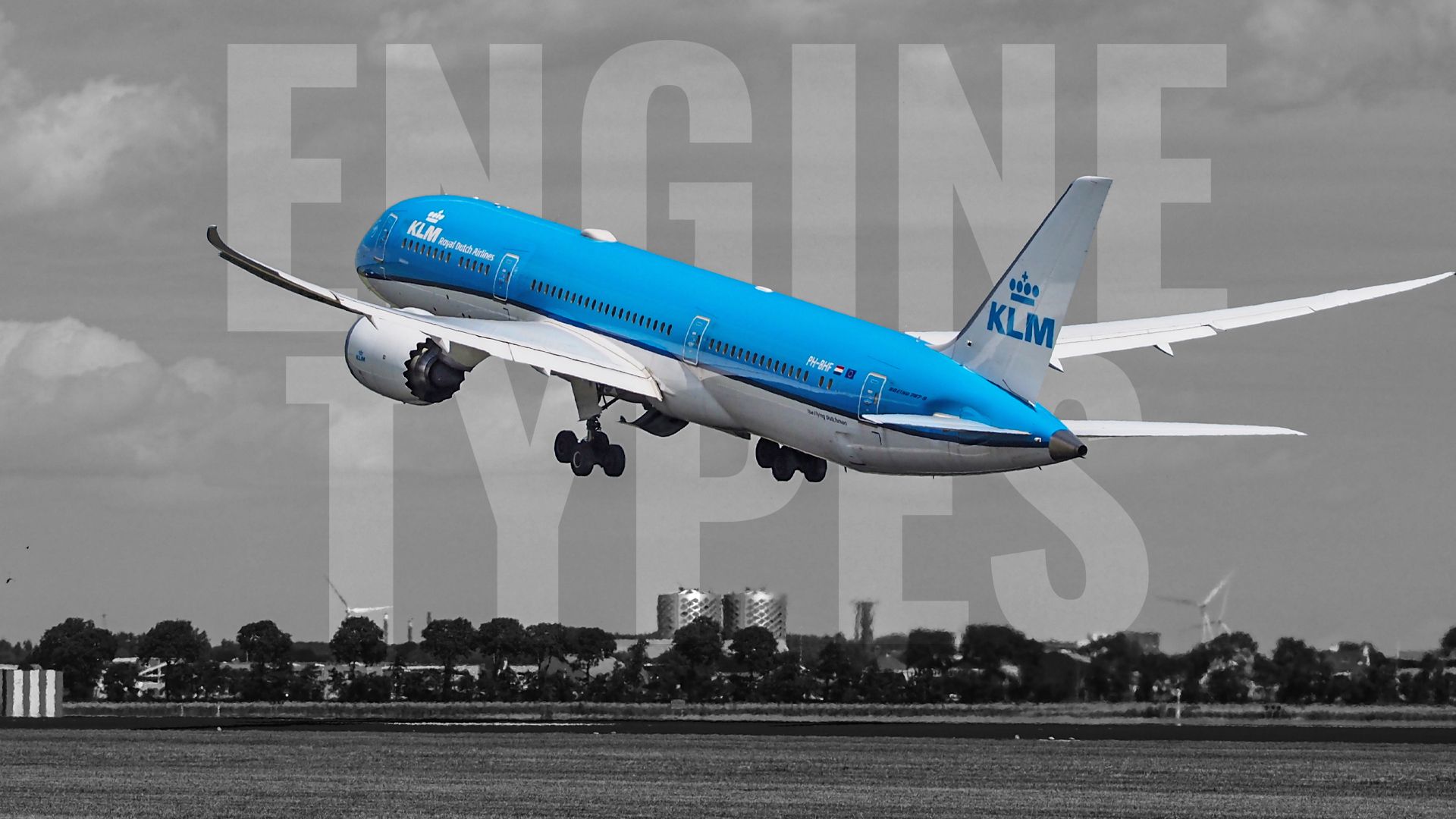
UPDATE: The Boeing 787 Dreamliner, first launched in 2011, continues to revolutionize commercial aviation with its advanced engines, marking a significant shift in fuel efficiency and passenger comfort. The aircraft is powered by two distinct engine families: the Rolls-Royce Trent 1000 and the General Electric GEnx-1B, both designed specifically for the 787 program.
These engines are not just powerful; they incorporate cutting-edge technology that has transformed the industry. With thrust capabilities ranging from 64,000 to 78,000 lb for the Trent 1000 and 66,000 to 76,000 lb for the GEnx-1B, airlines benefit from unmatched fuel efficiency, reduced emissions, and lower noise levels compared to older aircraft.
The significance of these developments cannot be overstated. Airlines are increasingly choosing the Boeing 787 for its operational flexibility and performance, allowing them to open profitable long-haul routes that were previously deemed unfeasible.
The Dreamliner family includes three variants: the 787-8, 787-9, and 787-10. Each model is tailored to specific passenger capacities and range needs, accommodating 240 to 320 passengers depending on the variant. This versatility positions the 787 as a cornerstone of global fleets.
In a remarkable shift towards sustainability, the 787’s engines are designed to achieve a 20-25% improvement in fuel efficiency and emissions performance compared to past generations. This aligns with the aviation industry’s urgent need for greener technologies amid growing environmental concerns.
“The competition between engine manufacturers has driven improvements in performance, reliability, and support,” stated an industry expert.
Both engine options offer operational similarities, allowing airlines to operate any 787 variant without noticeable differences in performance. However, the choice between the Trent 1000 and GEnx-1B often hinges on strategic factors such as existing relationships with engine manufacturers and maintenance capabilities.
The Rolls-Royce Trent 1000, part of a renowned engine family, has logged millions of flight hours, proving its reliability across global Dreamliner fleets. It employs innovative materials that enhance durability and efficiency, making it a popular choice among airlines.
On the other hand, the General Electric GEnx-1B, also operational since 2011, boasts advanced design features that provide significant fuel savings. Airlines favor the GEnx for its compatibility with other GE engines, streamlining maintenance and support processes.
In a strategic move, Boeing’s dual-engine offering was designed to provide airlines with flexibility and competitive pricing. By allowing airlines to select between two major manufacturers, Boeing mitigated risks associated with relying on a single supplier, ensuring continuous aircraft deliveries and performance targets.
Industry analysts highlight that the competition has not only benefited airlines through better pricing but has also spurred innovation across the board. As Boeing’s 787 continues to gain popularity, its engines are set to remain at the forefront of commercial aviation.
With the ongoing commitment to sustainability and efficiency, the Boeing 787 Dreamliner stands as a benchmark for modern aircraft design. As airlines increasingly adopt this revolutionary aircraft, the impact on global aviation and the environment is poised to be profound.
Stay tuned for more updates on the Boeing 787 Dreamliner and its evolving role in the aviation industry.