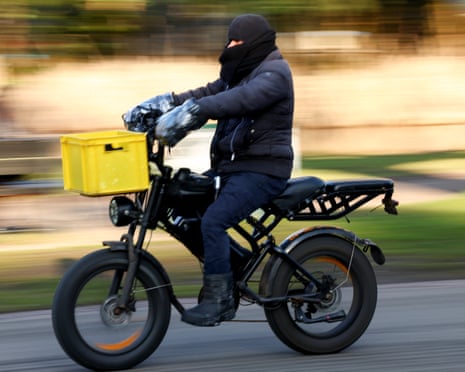
Amsterdam is set to implement a ban on electric fatbikes in select areas, responding to a notable increase in serious accidents linked to these vehicles, particularly involving children. The city’s transport chief, Melanie van der Horst, announced the decision following numerous requests from the public and safety experts. The ban will initially be enforced in the popular Vondelpark, where heavy electric bikes have been a common sight.
Concerns regarding safety have escalated as reports indicate that many fatbike riders modify their bikes to exceed the manufacturer’s speed limit of just over 15 mph, often reaching up to 25 mph in busy areas. According to VeiligheidNL, approximately 5,000 fatbike riders require treatment in accident and emergency departments each year, highlighting the risks these bikes pose, especially to younger riders aged 12 to 15.
The ban has elicited mixed reactions from the public. Henk Hendrik Wolthers, a 69-year-old fatbike owner, expressed frustration, arguing that the bikes offer a fast and efficient means of transport. “This is the quickest means of transport in the city,” he stated. In contrast, some park users, such as Muriel Winkel, voiced approval of the ban, noting that many riders often operate carelessly, posing dangers to pedestrians and animals alike.
Growing Safety Concerns and Public Response
The issue has drawn attention not only in Amsterdam but also in other cities like Enschede, which is also contemplating a similar ban. As cycling continues to be a primary mode of transport in the Netherlands, with approximately one-third of journeys made by bike, the safety of all road users is becoming increasingly critical.
The ANWB, a roadside assistance organization, emphasized that the core issue lies not solely with the fatbike model but rather with the modifications that allow for higher speeds combined with risky riding behavior. Florrie de Pater, chair of the Fietsersbond Amsterdam cycling association, noted that the rise of fast, illegal bikes is discouraging older people and children from cycling, as they feel unsafe on the roads.
Medical professionals are also voicing their concerns. Marcel Aries, a brain injury specialist at Maastricht University Medical Center, believes that authorities need to consider controversial measures, including bans and a forthcoming requirement for children to wear helmets on electric bikes starting in 2027. He asserts that these actions are necessary public health responses to increasingly congested streets and widening speed gaps between different types of vehicles.
Broader Implications for Cycling Culture
The debate over fatbikes reflects a larger conversation about the future of cycling and road safety in urban areas. Marlies Schijven, a professor of surgery at the Amsterdam University Medical Center, recently shared her frustrations on social media, highlighting the ongoing issues related to dangerous riding practices. Her post, which received 2.9 million views, underscores the urgent need for action.
While the ban in Amsterdam may be perceived as a small step, it signifies a growing recognition of the challenges posed by electric bikes. As cities worldwide look to promote active mobility, the tensions surrounding these vehicles are expected to emerge in other countries as well.
Wolthers, the fatbike owner, acknowledged that while the bikes are powerful, the real issue lies with the younger riders who may not fully comprehend the risks. “Children go through red lights, they don’t signal, and they can’t assess the traffic,” he noted. The rising number of accidents involving fatbikes has led to a chilling reality for medical professionals, who now refer to certain young riders as “potential donors” due to the severity of injuries they often sustain.
With the city of Amsterdam moving forward with this ban, it remains to be seen how it will affect the cycling culture and overall safety in the area. The decision reflects a growing urgency to address the balance between innovation in transportation and the safety of all road users.