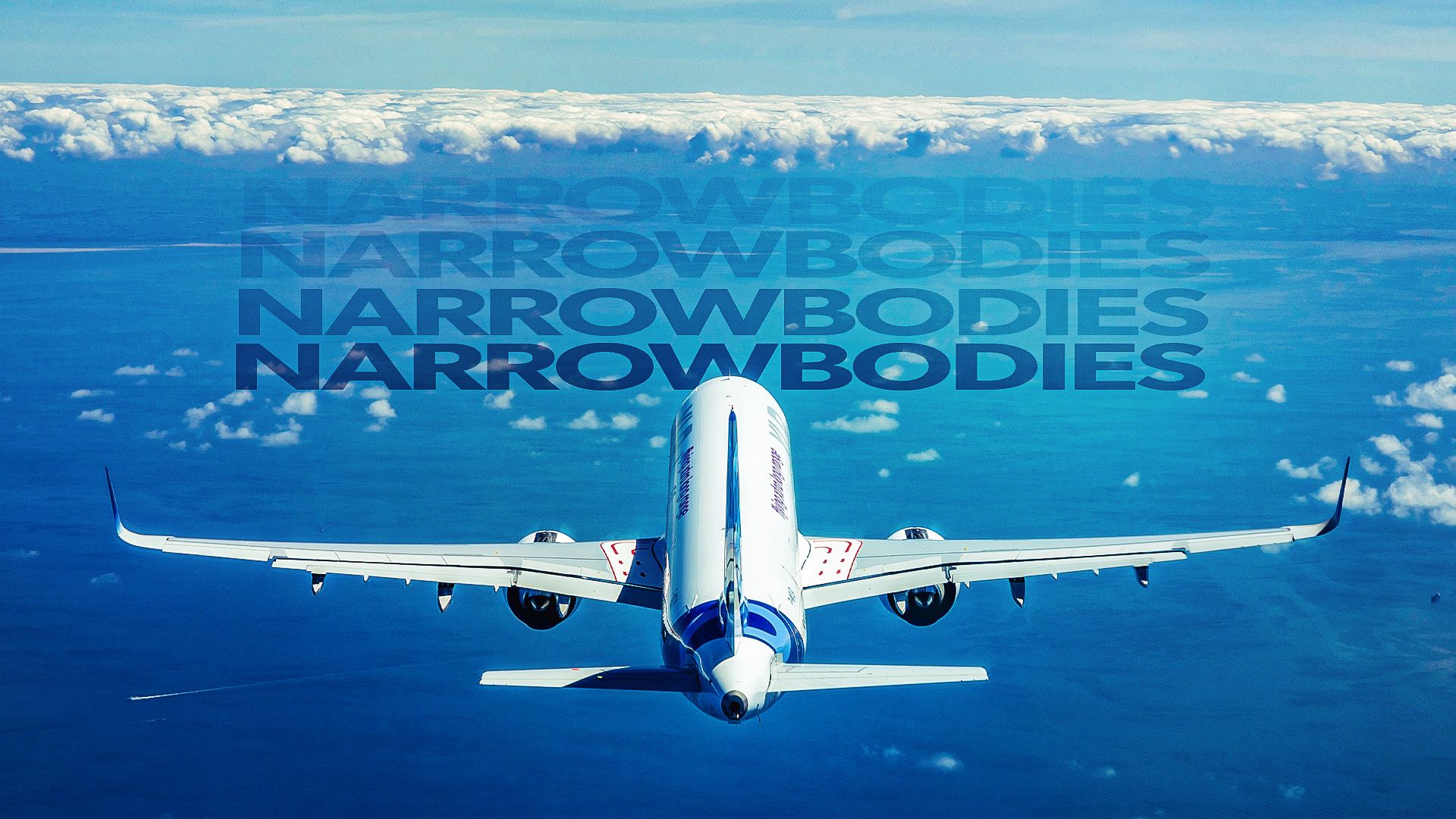
UPDATE: A rapid transformation in the aviation industry is taking place as airlines increasingly utilize narrowbody aircraft for long-haul routes. This shift is driven by advancements in technology that enable models like the Airbus A321LR and Boeing 737 MAX to fly transatlantic flights directly, making air travel more accessible than ever.
As of November 2023, airlines are recognizing the operational efficiency and cost-effectiveness of these newer aircraft, allowing them to tap into markets previously dominated by widebody jets. This trend not only challenges traditional airline models but also reshapes passenger travel options, making long-distance flights attainable for more travelers.
According to Fredric Gossot, Sales Director at TAP Air Portugal, the A321LR has revolutionized their long-haul fleet. Gossot stated, “The A321LR helps us serve smaller destinations with less demand during the winter, allowing us to swap out the A330 for the A321LR effectively.” This flexibility is crucial as airlines strive to optimize capacity amidst fluctuating travel demands.
The shift to narrowbody aircraft isn’t entirely new; however, advancements in models like the A321XLR and 737 MAX 8 have made this transition feasible. These aircraft boast impressive ranges, with the A321XLR reaching 4,700 nautical miles (8,700 km), positioning them well for long-haul routes. This capability is essential as airlines seek to compete in an increasingly cutthroat market, where profit margins are razor-thin.
Historically, the Boeing 757 set a precedent for long-haul narrowbody operations. Despite its production ending in 2004, many of these aircraft remain in service, especially within the United States, with Delta Air Lines and United Airlines as the largest operators. The demand for long-range narrowbody jets signals that airlines are ready to phase out older models in favor of newer, more efficient options.
The competitive landscape is shifting, with over 7,000 orders for the A321neo series, including LR and XLR variants, and more than 2,000 MAX aircraft delivered to date. This surge indicates a strong commitment from airlines to enhance their fleets with technologically advanced jets that can operate long-haul services at lower costs.
Airlines are also investing in improved onboard experiences to attract passengers. Enhanced amenities, including lie-flat seats in premium cabins, are increasingly standard on these narrowbody flights, allowing them to compete directly with widebody aircraft on similar routes.
As the demand for long-haul narrowbody travel increases, airlines like JetBlue, Air Canada, and Aer Lingus are already implementing these aircraft on busy intercontinental routes, particularly across the lucrative Transatlantic corridor. This trend offers a new level of accessibility for travelers who previously faced high costs for long-haul flights.
Looking ahead, the aviation industry is poised for further change as more airlines integrate long-range narrowbody aircraft into their operations. The flexibility, efficiency, and economic advantages they offer are set to redefine long-haul travel, making it essential for airlines to adapt quickly to this evolving landscape.
Next steps: Watch for announcements from airlines regarding new routes and services utilizing these narrowbody jets. The growing trend signals an exciting shift in how passengers will experience long-distance travel in the near future.