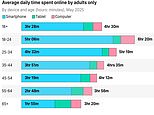
Recent findings reveal that the average adult in the United Kingdom now dedicates a staggering four and a half hours daily to their mobile devices. This marks a significant increase in screen time, shedding light on the growing reliance on digital media for various activities.
According to the latest report from Ofcom, which published its annual media use survey in 2023, the rise in online engagement reflects changing habits among Britons. The data indicates a notable shift in how time is allocated to digital activities, with many adults engaging in social media, streaming services, and news consumption.
The report highlights that adults aged 18 to 34 are particularly prone to higher screen time, averaging nearly five hours each day. This demographic’s preference for online interaction over traditional means of communication is evident, as platforms like social media dominate their daily routines.
Social Media and Streaming Services Take Center Stage
Social media platforms are a significant contributor to the rising screen time. Users spend substantial portions of their day scrolling through feeds, sharing content, and engaging in online conversations. Notably, streaming services have also seen a marked increase in usage, as consumers increasingly opt for on-demand entertainment over scheduled programming.
The implications of this trend extend beyond mere entertainment. With the surge in online activities, concerns regarding mental health and social interaction have arisen. Experts have begun examining the potential effects of excessive screen time, particularly the impact on personal relationships and overall well-being.
While the convenience of digital devices offers undeniable benefits, the Ofcom report encourages a balanced approach to technology use. Finding the right equilibrium between online and offline activities is crucial for maintaining a healthy lifestyle.
Time for Reflection on Digital Habits
As individuals reflect on their daily routines, it becomes essential to consider how screen time fits into the broader context of life. The challenge lies in managing device usage to foster genuine connections and maintain mental wellness.
With the average Briton spending an increasing amount of time online, the ongoing conversation about digital well-being remains pertinent. Taking proactive steps to assess and adjust screen time may lead to healthier habits, ultimately benefiting both individuals and society as a whole.
In conclusion, the findings from Ofcom serve as a wake-up call regarding digital consumption habits. While technology continues to shape our lives, individuals are encouraged to engage with it mindfully, ensuring that it enhances rather than detracts from overall quality of life.