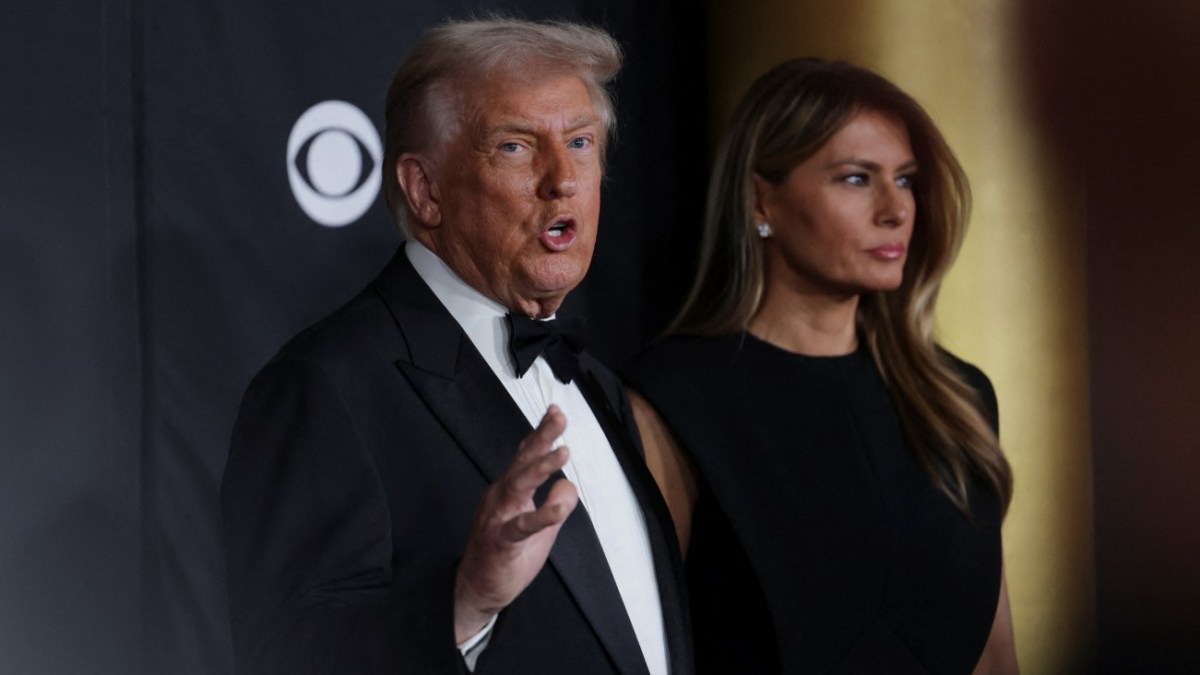
Former President Donald Trump has expressed concerns regarding Netflix’s recent agreement to acquire Warner Bros Discovery’s television and film studios. The deal, valued at approximately $83 billion, could potentially lead to a streaming entity commanding about 30 percent of the United States streaming market. Trump suggests that this concentration of market share may attract scrutiny from regulatory bodies who might view it as anti-competitive.
During an interview, Trump highlighted that the merger needs to undergo a thorough regulatory review process. He stated, “We’ll see what happens. But it is a big market share. It could be a problem.” This statement underscores the former president’s concern about the implications of such a significant market consolidation in the entertainment sector.
Netflix is advocating for a broader interpretation of competition. The company argues that its competitors extend beyond major streaming services like Disney+, Max, and Prime Video. According to Netflix, the competitive landscape also includes platforms such as YouTube, TikTok, traditional broadcast television, and even video games. This perspective aims to illustrate that the streaming market is more diverse than regulatory authorities might perceive.
The merger, if approved, could significantly reshape the streaming landscape, further intensifying competition among major players. With Netflix’s assertion that it competes against a wide array of entertainment options, the outcome of the regulatory review will be closely watched by industry analysts and consumers alike.
As the streaming battle intensifies, industry stakeholders are eager to see how regulatory authorities will respond to this substantial market shift. The implications of the Netflix-Warner Bros deal may set important precedents for future mergers in the entertainment industry.